-

State Farm is sending out a record-breaking $5 billion in dividend checks to auto insurance customers nationwide, and many Atlanta-area drivers stand to benefit with cash coming their way this summer.
State Farm Payouts: What To Know
The Bloomington, Illinois-based insurer announced the one-time payout last month as the largest dividend in its 103-year history.
State Farm Mutual Automobile Insurance Company will distribute the funds to qualifying policyholders covering more than 49 million vehicles.
Nationally, customers can expect an average of about $100 per vehicle, though the exact amount varies by state and the premiums paid during the policy period.
No action is required from eligible customers—checks will arrive in the mail, or policyholders may receive an email notification to opt for a digital payment.
For Georgia residents specifically, the news is even better.
According to the Georgia Office of Insurance and Safety Fire Commissioner, State Farm Mutual policyholders with a Private Passenger Auto (PPA) Voluntary Preferred policy in force as of December 31, 2025, will receive an 8% return on premiums earned. This totals nearly $279 million statewide, working out to an average dividend of approximately $135 per vehicle for Georgia drivers.
State Farm, the largest auto insurer in Georgia, cited stronger-than-expected underwriting performance in 2025—driven by lower accident rates, declining repair costs, and improved industry conditions—as the reason for the dividend.
As a mutual company owned by its policyholders rather than shareholders, State Farm is able to return excess profits directly to customers while preserving its financial strength.
This cash back comes on top of recent auto rate reductions in many states, including Georgia, totaling $4.6 billion annually in savings nationwide (with an average rate cut of about 10% across 40 states).
State Farm President and CEO Jon Farney emphasized the customer-focused approach: “As a mutual company with a customer-first focus, State Farm Mutual is able to provide value directly to our customers while maintaining financial strength to keep our promises in the future.
That translated this year to lower auto rates and cash back in the form of a $5 billion policyholder dividend.”
If you’re a State Farm auto customer in the Atlanta metro area or elsewhere in Georgia, keep an eye on your mailbox this summer.
The payments reflect a positive turnaround for the company after challenging prior years, offering welcome relief to households facing ongoing insurance costs.
For the most up-to-date details on your specific policy, check your State Farm account or contact your local agent. This is part of broader efforts by insurers to share gains with policyholders amid stabilizing market conditions.
More From AtlantaFi.com:
-
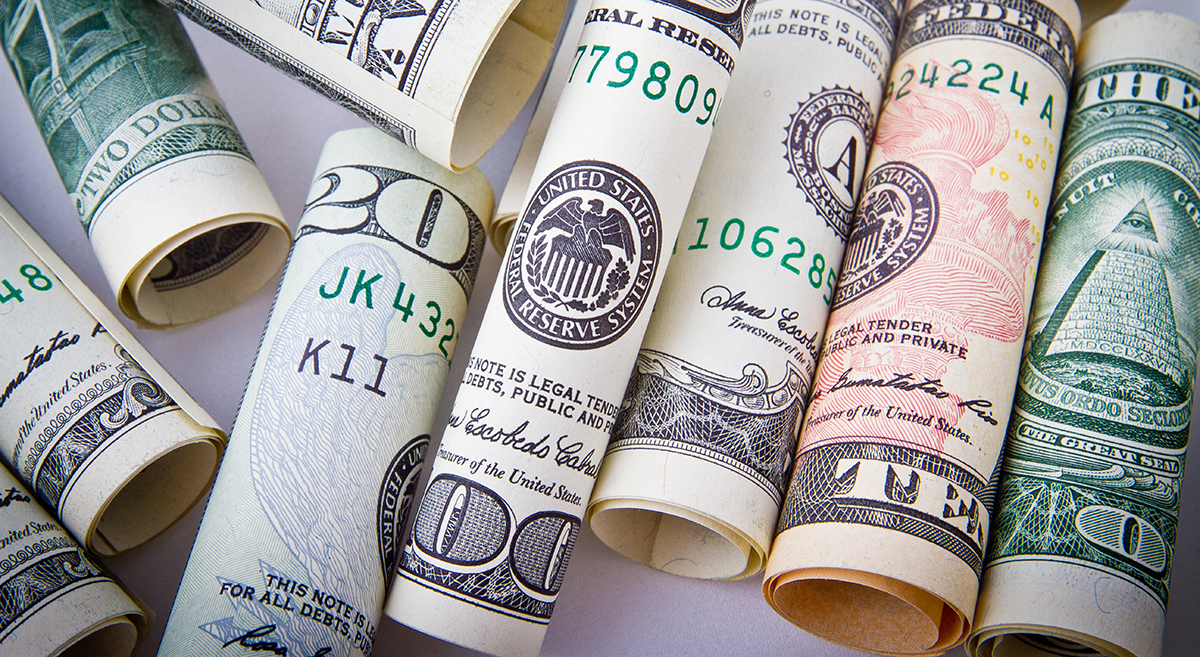
One of the most efficient ways to save money is to do it with a savings account. The under-the-mattress approach doesn’t work like it used to.
In this article, we’re going to go over why a savings account might make sense for you and what types to consider.
What Is A Savings Account And How Do They Work?
A savings account is one of the basic accounts you can open at your bank or credit union. With a savings account, you can deposit money and let it grow over time.
If you need the money, you can simply withdraw it from your savings account, but if you keep it in there it can earn interest.
You may be wondering what type of savings account should you get? Well, you need to pay particular attention to the kind your bank is offering.
Some savings accounts allow you to make little to know money on interest, so you’d want to steer clear of those. The type you want is a high yield savings account.
What Is A High Yield Savings Account?
A high yield savings account is one in which the high interest rate allows you to earn more money — as much as 25% higher than a traditional savings account.
To find out what type of interest you’ll get, notice the APY (annual percentage yield) of the savings account.
Should You Open A High Yield Savings Account?
As long as the bank is FDIC-insured, your money in a high yield savings account is guaranteed. So what’s the worry?
If the economy is in distress (like we are right now) you likely won’t make a lot of money in a high yield savings account. That means the amount of money you have in there will sway up and down.
So while you assume no risk of losing your initial deposit, the amount of interest you have on top of it is subject to market volatility.
Where Can I Open A Savings Account?
In the big city, you have plenty of options on where to open a savings account. Here are some major banks you may want to consider. These banks and the rates are good as of 2020.
Bank Savings Rate Alliant 0.40% Nationwide 0.55% Discover Bank 0.55% Marcus (Goldman Sachs) 0.60% Final Words
Opening a savings account is a great way to make the most of your money. If you choose wisely, you will see an increase in your savings account little by little.
Are you trying to become more financially literate? Check out Money Mondays at AtlantaFi.com, where we’ll share strategies to save and make cash.
If saving money is something you’re serious about, AtlantaFi.com has a lot of resources to help you.Read more: -

With food prices being what they are, your grocery bill may be taking up more of your income than it has in many years. And that’s Ok, you gotta eat. But you don’t have to pay full price for groceries.
If you have all the money in the world, then you may not need to save money, but many people do. This article is going to show you three tips to save money on your grocery bill.
3 Steps To Help You Stop Paying Full Price For Groceries
No matter if you like to fill your basket with potato chips, steaks, shrimp or toilet tissue, you can save money if you do it right.
As you’ll see, the way you save money on groceries, is you put together a strategy.
1. Download These Apps
Ever wanted to shop and earn cash rewards? Download these rebate apps to save big money on groceries:
2. Make A Budget
The worse thing you can do is show up at the grocery store without a plan. You don’t want to shop by just throwing whatever you see in your basket.
You should make a budget that takes care of all your needs for that week or until your next paycheck. When you create a budget here’s what you should include:
- List your expenses
- Itemize things you don’t need
- Lastly, write down necessities
3. Save The Most On Groceries By Making A Shopping List
The #1 way to save is to write down the things you need to buy. If you add that to the budget you’ve created, it will tell you exactly the amount of money you can spend.
It will also show you what you can buy and how much you can afford. Another benefit of making a shopping list is that it will keep you focused so you don’t overspend.
Last Words
No matter how much money you have, the only way you’re going to save money on food is if you put together a plan. Put these strategies in action, and let me know if they work!
Interested in other ways to save or make money? Check out our Money Section:
More Articles Like This From AtlantaFi.com:
-

Gas prices are on the rise across Georgia, according to the latest figures from AAA.
As of Monday, the average price of petrol is now $2.72 per gallon – 6 cents higher than a week ago – although slight variations are possible. In Atlanta, it’s $2.73.
Gas Prices Increasing in Georgia
“Gas prices are creeping up as oil gets more expensive and refineries head into their spring maintenance routine,” said Montrae Waiters, spokeswoman for AAA-The Auto Club Group.
“Even though winter weather has kept demand a bit lower, tighter supplies are still nudging prices higher, and while we don’t know when they’ll ease, they’re still well below where they were at this time last year.”
Even with the price increase, Georgia is still 20 cents cheaper than the national average ($2.92) as crude oil demand adjusts to seasonable pressures.
The most expensive markets in Georgia:
- Savannah ($2.80)
- Hinesville-Fort Stewart ($2.75)
- Macon ($2.74)
The least expensive markets in Georgia:
- Augusta-Aiken ($2.64)
- Rome ($2.63)
- Catoosa-Dade-Walker ($2.62)
Looking for ways to save gas? AAA says shop around for gas prices. Drivers can check area gas prices on the Fuel Price Finder.
How To Save Gas: Steps That Work for Your Wallet
With gas prices fluctuating and every fill-up adding up—especially when you’re out running errands or commuting—saving money at the pump is a smart move. Here are practical, effective ways to cut your gasoline costs without major lifestyle changes.
1. Hunt for the Cheapest Gas
Use apps like GasBuddy, Waze, or similar tools to compare real-time prices in your area. Stations off major highways or in less busy spots often charge less.
Warehouse clubs (Costco, Sam’s Club, BJ’s) frequently offer discounted rates for members—sometimes 5–25 cents per gallon lower.
2. Join Rewards and Loyalty Programs
Sign up for free programs at gas stations, grocery chains (like Kroger Fuel Points or similar at Albertsons/Safeway), or apps from brands like Exxon, Shell, or BP.
Many offer cents-off per gallon after earning points from purchases. Credit cards with gas cash-back rewards or membership perks (Amazon Prime, Walmart+) can add extra savings—often 5–10 cents per gallon.
3. Time Your Fill-Ups Strategically
Fill up early in the week (Mondays or Tuesdays) when demand is lower and prices tend to dip. Avoid weekends.
Some suggest pumping early in the morning or late at night when fuel is cooler (and denser), though the savings are small.
4. Drive Smarter for Better Mileage
Aggressive acceleration, hard braking, and speeding above 50–60 mph burn fuel fast—each 5 mph over 50 can act like adding 25 cents per gallon in extra cost.
Use cruise control on highways, obey speed limits, and avoid idling (turn off the engine if waiting more than 10–30 seconds). Smooth, steady driving can improve efficiency by 5–33%.
5. Maintain Your Vehicle Properly
Keep tires properly inflated (check monthly—low pressure reduces MPG by 1–2%). Remove excess weight from your trunk or roof racks (every 100 lbs can cut efficiency by up to 2%).
Get regular tune-ups, change air filters, and use the recommended grade of gas (usually regular unless your car requires premium). These habits stretch each tank further.
6. Combine Trips and Reduce Driving
Plan errands to minimize short trips—your engine runs more efficiently once warm. Carpool, use public transit, bike, or walk when possible. Even small reductions in miles driven add up quickly.
7. Pay Smart at the Pump
Some stations offer lower prices for cash over credit (often 10–15 cents less). Check for deals or discounts tied to payment methods.
Final Word
Implementing just a few of these tips—like using price apps, joining a rewards program, and easing off the gas pedal—can save hundreds over a year, depending on how much you drive. Small changes lead to big savings at the pump!
-

One of the best things you could ever do with your money is to buy a home. First of all, you have to know the local real estate market. Secondly, you have to have a financial plan.
Some of the things you’ll want to consider will be lifestyle issues: What are the schools like in the area? How close is it from the job? All those are important questions, but one of the main ones is how much money to save for the down payment.
This article will show you some easy steps on how to save money for a home.
How To Save For A House This Year: 5 Steps That Work
Homeownership is an achievement that comes with the American Dream. The problem is that relatively few people ever realize it. But you certainly can. Here are the steps:
1. Set A Realistic Goal
The first thing you need to do is set a realistic goal for the type of home you want to afford. If you think a $900,000 mansion is within your means, then go for it. But for many people, that’s not realistic.
Do some homework on the specific neighborhoods you want to live in. Some are better than others.
- Evaluate Income and Expenses: Create a detailed budget to understand your financial situation.
- Check Your Credit Score: A higher score helps secure better mortgage rates.
- Pay Off Debt: Reduce high-interest debts to free up savings potential.
You’ll only get the home that you can afford to pay for it. As for the dream homes, please stick to the rivers and the lakes that you’re used to.
2. Create A Budget
Once you’ve set a goal, it’s time to create a budget that will allow you to save up for your down payment. The way to do that is to reduce expenses.
You’ll have to look at your monthly expenses and see if you can cut things like subscriptions and gym memberships.
As you know, you’ll traditionally need 20% down payment to buy a home, but this is not always the case. Many lenders an take down payments much lower than that.
3. Get A Government Loan
The way to afford the home you want is to get a government lender to give you the money. No offense, Bank of America or Regions, but government loans are usually way more generous.
There are some great lenders that let borrowers put down way less than 20%. Here are a few:
- FHA loans
- VA loans
- USDA loans, (no down payment required)
Read our guide on how to find lost government money.
4. Get A Side Hustle
Another great way to save up for a home is to get a side job. Don’t think that you need to kill yourself to earn some extra income. All you need is something to add to the pot you already have.
- Set Up a Separate Savings Account: Open a high-yield savings account specifically for your house fund.
- Automate Savings: Set up automatic transfers to ensure consistent contributions.
- Cut Unnecessary Expenses: Trim subscriptions, dine out less, and shop mindfully.
Don’t know where to start? Read how you can turn hobbies into side hustles fast.
5. Save Your Big Money
Chances are you’re going to get big money at least three times in a calendar year. Save it for your down payment.
- Take on Side Gigs: Freelance, gig work, or part-time jobs can supplement your income.
- Seek Promotions or Raises: Ask for a salary increase or explore higher-paying roles.
- Sell Unused Items: Declutter your home and sell valuable items online.
No matter if it’s your holiday bonus, tax refund or even a stimulus payment, you will have an opportunity to save big money. All you have to do is put it away.
How Much Money Should I Save A Month To Buy A House?
Because you’ll need to save money incrementally, it’s good to put together a plan to set cash aside each month. How much should you save? It depends.
If you want to buy a home that costs $250,000, you’ll need to save $250 a month for four years until you come up with 20% down payment. That’s around $50,000.
Here’s how to find out much rent you can afford in Atlanta.
How Much Money Do I Have To Make To Save For A House?
A lot of people don’t think they can save money for a house because they aren’t making big money. You may be wondering what kind of salary you need to pull to save up for a home.
The truth is that it depends on what the prices are in your local real estate market.
If you the homes in your area cost $200,000, then you’ll need to save $60,000 for a 30% down payment. If you save $20,000 a year, you can accumulate $60,000 in three short years.
I know it sounds easier than it is to do, but here are some creative ways you can save money.
Last Words
If you’re considering buying a home, there are many things to think about, including getting a home inspection if it’s not a new build.
If you’re serious about saving for a home, there’s nothing that says you have to only save 20% for your down payment. Why not aim for 30%?
The more you save, the cheaper your home will be over the length of the mortgage. If you can save money on the front end, once you get inside your new home, you’ll sleep much better.
Read more: How To Buy Land In 6 Easy Steps
Once you’ve saved a certain amount of money, it’s time to start looking at cheap homes for sale.
Interested in other ways to save or make money? Check out our Money Section:
-

Don’t you love when you remember that you have money somewhere? What is that somewhere was the local government? Yes, there’s a chance that the state of Georgia owes you some money.
Unclaimed money from the state is one of the largest areas that people forget to check when they are in need. The fact is that state treasuries have millions of dollars in unclaimed money and people are unaware.
What Types Of Unclaimed Money Could Be Out There?
If you’re curious about what types of unclaimed money could be out there, here are some categories you need to know about.
- Missing Tax Refunds
- Old Checks From Defunct Businesses
- Old Accounts From Shuttered Banks And Other Financial Entities
- Retirement Accounts From Former Employers
How Do I Find Out If I Have Unclaimed Money In Georgia?
An unclaimed money search is something that you have to figure out. There’s no central federal government agency that keeps track of the unclaimed money it has for you or funds that you may be owed.
There are however some websites that allow you to check to see if you have unclaimed money.
The National Association of Unclaimed Property Administrators (NAUPA) facilitates Unclaimed.org, a multistate database for unclaimed money. Here’s the link for Georgia.
- Start your search for unclaimed money with your state’s unclaimed property office.
- Use the missingmoney.com is another site that has a multistate database that lets you do a free search for your name for bank accounts, safe deposit box contents, uncashed checks, insurance policies, CDs, trust funds, utility deposits, stocks and bonds, wages and escrow accounts in Georgia or any state you’ve moved from. (You do have to register).
Another way to get money is by means of an unclaimed check. Let’s talk about that.
What Is An Unclaimed Check?
An unclaimed check can take many forms, but it may most likely be an uncashed payroll check. Think back to all the jobs you formerly had. They may have some unclaimed money for you!
Make sure you check your old employers as well as your maiden name to see if any residual checks are there for you.
Check Your Old Pensions
If you’ve worked a job in the past, you may have some unclaimed money out there in the form of a pension.
The Pension Benefit Guaranty Corp. keeps a database on all unclaimed pensions across the United States.
Go to the PBGC’s website to see if you have an old pension with money in it.
Beware Of Scams
The most important thing about unclaimed money is that crooks are trying to get ahold of it just like you.
There are a lot of sites out there that will ask you to pay a fee to do an unclaimed money search, but that’s a racket. Don’t pay anyone to search for your money. Do it at the sites above FOR FREE.
Final Words
Believe it or not, there are a lot of ways you can come into a windfall of money. One of the easiest ways is to see if the state of Georgia owes you money.
Getting your unclaimed money is a great way to generate much-needed capital in these days and times. The key is that you have to be persistent and leave no rock unturned, as they say.
Don’t let the red tape of the system intimidate you from getting what’s rightfully yours: Your hard-earned money.
Aside from cash, you may have some land you don’t know about. See how to get your unclaimed property.
Got an event or know of something opening in and around Atlanta? Holla: CJ@AtlantaFi.com. See what’s poppin’ in the ATL! Subscribe to our news alerts here, follow us on Twitter and like us on Facebook.
-

It’s an easy wager to make that you’re likely being overcharged for car insurance. Young and old drivers alike should know that there are some ways to lower their rates.
This article will show you several ways to get cheap auto insurance. We’ve done the research for you so all you have to do is get ready to save money.
Take a look at the script at the bottom of this article, which shows you what to say to your insurance company to get them to drop your insurance rates.
How You Can Lower Your Auto Insurance Payments
Car insurance companies penalize drivers under age 25 because they rely on statistics and reports that say that motorists younger than that age are responsible for the most accidents, but the truth is that they feel those drivers are more likely to be helped by their parents. That means the insurers feel confident that the high rates can be absorbed by dual income people who feel obligated to help their son or daughter with insurance costs. Wouldn’t it be great if you could just lower your insurance payments altogether? Here are some ways to do just that.
Bundle Your Auto And Home Insurance
The quickest way to drop your rate is to bundle your auto and home insurance. If you don’t have a home and live in an apartment, see if you can bundle your renter’s insurance. Insurance companies have an incentive to lower your rate if you give them more of your business.
Maintain Good Credit
Another way to lower your insurance is to improve your credit score.
In some states, your credit score can affect your insurance rates. Work on improving your credit to potentially lower your premiums.
One of the ways car insurance companies determine your rate is by looking at your credit score. A poor score, typically anything below 600, will have you paying more for auto insurance.
Do all you can to raise your credit score. Here are some ways to do that.
Ask For Discounts
When you contact an auto insurance company, make sure you ask for discounts. If you’re a member of any organization or even your employer may qualify you for a discount on your insurance.
Get Several Insurance Quotes
Never settle for just one insurance quote when you’re shopping for a rate. Always contact several insurance companies and write down their quotes. Once you feel you’ve gotten enough insurance quotes, take a look at your list and compare prices. This way, you’re sure to choose the lowest insurance rate.
Some insurers offer discounts for things like being a member of certain organizations or having certain safety features on your car.
Consider Usage-Based Insurance
Some insurers offer programs where your rates are based on your actual driving habits. If you’re a safe driver, this could save you money.
Use This Script To Ask For Lower Rates
Here’s a concise and polite script you can use when calling your insurance provider to negotiate a lower car insurance rate. Feel free to adjust it based on your specific situation:
“Hello, my name is [Your Name], and I’m calling about my car insurance policy, number [Policy Number]. I’ve been a customer for [X years/months], and I’ve been happy with your service. However, I’ve noticed that my premium is currently [current rate], and I’m wondering if there’s anything we can do to lower it. I’ve been a safe driver with no recent claims or tickets, and I’d like to explore any discounts I might qualify for—like multi-policy, safe driver, or low mileage discounts. I’ve also received quotes from other providers that are a bit lower, but I’d prefer to stay with you if we can find a more competitive rate. Could you take a look and see what options are available to adjust my premium?”
Tips
1. Be polite but firm: Show appreciation for their service but make it clear you’re serious about finding a better rate.
2. Have details ready: Know your policy number, current rate, and any competing quotes (even if approximate).
3. Leverage your record: Mention your clean driving history or loyalty as a customer.
4. Be ready to negotiate: They might offer a small discount at first—don’t hesitate to ask if they can do better.Last Words
In a large metropolitan city like Atlanta or a small one like Mayberry, you need car insurance. But why does it have to be so expensive? Getting a lower insurance rate is super important today because prices continue to creep upward. Remember to comparison shop so that you can make sure you’re getting the best rate.
If saving money is something you’re serious about, AtlantaFi.com has a lot of resources to help you.Read more: -
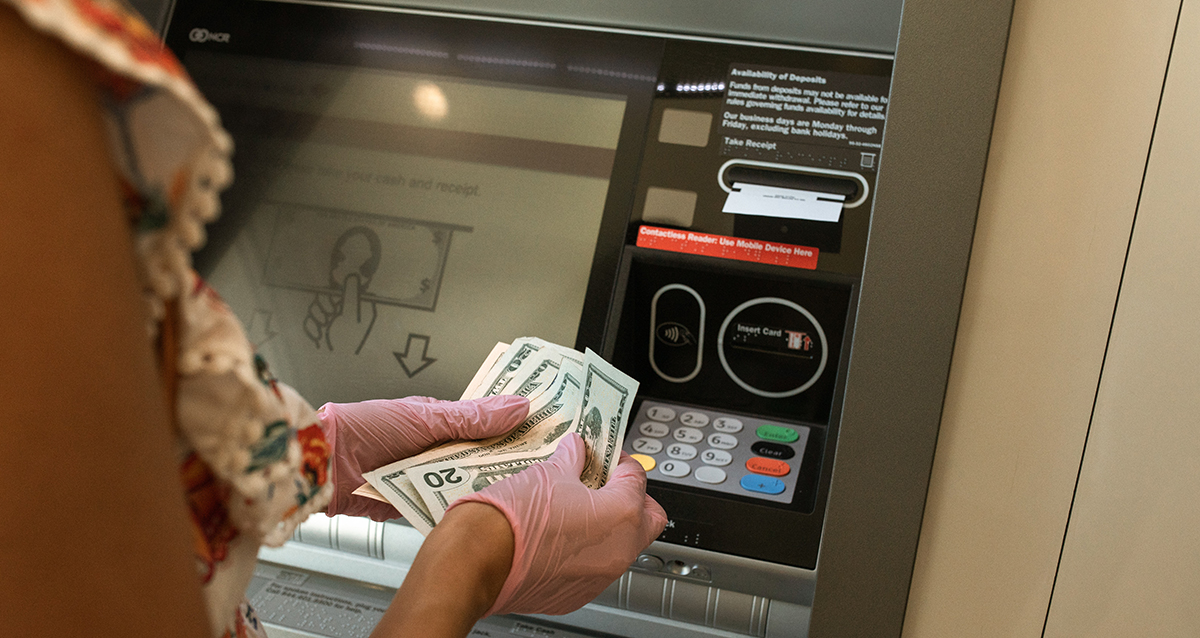
It’s no secret that costs continue to go up, while our wages seem to be stagnate. We’re keeping tabs on how everyday costs hit our wallets here in the metro area. Atlanta continues to top the charts for the highest average ATM fees in the nation, a trend that’s persisted for years and shows no signs of slowing in 2026.
According to the latest data from Bankrate’s 2025 Checking Account and ATM Fee Study (with trends carrying into early 2026), Atlantans face an average combined out-of-network ATM fee of $5.37 per transaction.
That’s well above the national average of $4.86, which itself hit a record high for the third straight year—up from $4.77 in 2024.This combined fee typically breaks down into two parts:
- An average surcharge of around $3.22 charged by the ATM owner (often independent operators or non-network banks).
- A fee of about $1.64 from your own bank or credit union for using an out-of-network machine.
Back in 2020, Atlanta’s average was already a steep $5.60, and while national fees have climbed steadily, our city has consistently ranked #1 among major metro areas surveyed.
High-traffic urban spots like Phoenix and San Diego trail close behind, but Atlanta holds the unwelcome top spot.
Why the persistent high costs here? Dense population, heavy reliance on out-of-network machines in convenience stores, gas stations, and bars, plus fewer free options in some neighborhoods all contribute. With cash still used for tips, small purchases, or events, these fees add up fast—especially if you’re withdrawing multiple times a month.How to Dodge Those Fees in AtlantaThe good news? You don’t have to pay them. Here are practical ways locals are avoiding ATM charges:
- Stick to your bank’s or credit union’s network. Many institutions offer wide access through alliances like Allpoint (over 55,000 fee-free ATMs nationwide) or CO-OP Shared Branch networks.
- Get cash back at checkout. Use your debit card for purchases at grocery stores, pharmacies, or retailers like Kroger, Publix, or Walmart—most don’t charge extra, and your bank usually doesn’t either.
- Switch to fee-friendly local options. Atlanta-area credit unions often shine here:
- Delta Community Credit Union (serving metro Atlanta since 1940) provides access to extensive surcharge-free ATMs via shared networks, plus strong mobile banking.
- Georgia’s Own Credit Union offers fee-free access through large networks and competitive accounts with no hidden charges.
- CDC Federal Credit Union focuses on low-fee checking and easy ATM access for members in DeKalb, Fulton, and Gwinnett.
- Look for reimbursement perks. Some online or national banks (like Ally or others available to Georgians) refund out-of-network fees up to a limit, or provide broad free ATM access.
- Opt for free checking accounts. Nearly half of non-interest checking accounts nationwide are free (or become free with direct deposit), avoiding monthly maintenance that compounds ATM issues.
ATM fees keep rising as operators cover costs and fewer people rely on cash, but smart choices can keep more money in your pocket. Stay informed on local banking options—your next withdrawal could be fee-free.
Are you trying to become more financially literate? Check out Money Mondays at AtlantaFi.com, where we’ll share strategies to save and make cash.
If saving money is something you’re serious about, AtlantaFi.com has a lot of resources to help you. For the latest on Atlanta’s financial scene, check back with us. What’s your go-to strategy for skipping ATM fees? Drop a comment below!
Read more:
-
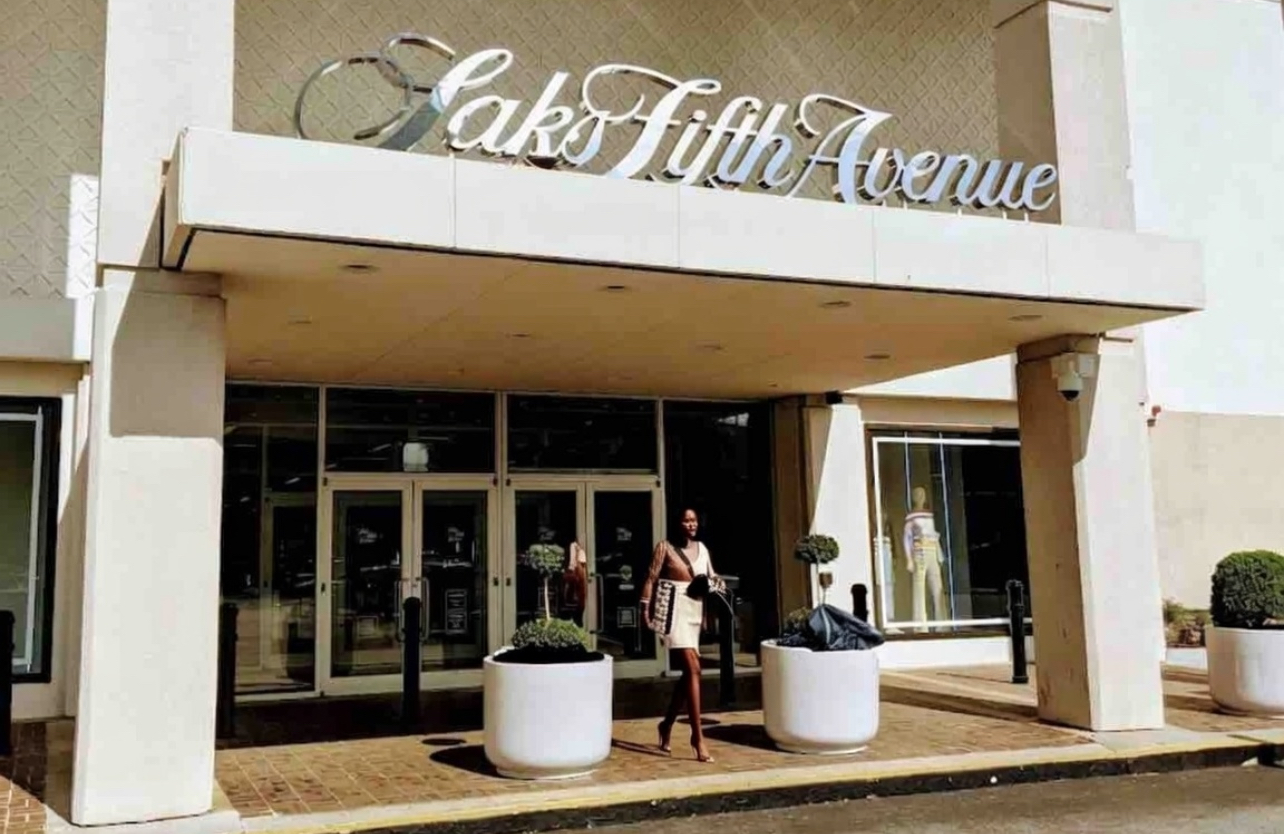
Local luxury shoppers at Lenox Square and Phipps Plaza received a jolt this week as Saks Global Enterprises – the parent company behind Saks Fifth Avenue, Neiman Marcus, and Bergdorf Goodman – filed for Chapter 11 bankruptcy protection in Houston, Texas, on January 13, 2026.
The filing comes amid heavy debt accumulated from the company’s 2024 acquisition of Neiman Marcus Group, which combined these iconic luxury brands under one umbrella but saddled the business with billions in obligations.
Luxury Retail Shake-Up Hits Atlanta Shoppers
Saks Global, which operates nearly 200 stores nationwide including key Atlanta locations, secured $1.75 billion in new financing to support operations during the restructuring process.
For Atlanta residents, the news directly impacts two prominent high-end destinations: the Saks Fifth Avenue at Lenox Square and the Neiman Marcus at both Lenox Square and Phipps Plaza.
These stores are staples for designer shopping, from Gucci and Prada to local favorites in upscale fashion and accessories.
How Atlanta Shoppers Are Affected
Company officials emphasized that all stores, including those in Atlanta, along with e-commerce platforms, will remain open and fully operational.
The $1.75 billion package – including $1 billion in debtor-in-possession financing – is designed to ensure employees (approximately 17,000 company-wide) continue to be paid, vendors are addressed, and customer loyalty programs stay intact despite ongoing disputes and skipped interest payments in recent months.
In a leadership shift, former Neiman Marcus CEO Geoffroy van Raemdonck has stepped in as CEO of Saks Global, replacing Richard Baker.
Van Raemdonck described the moment as “defining” for the company, highlighting an opportunity to rebuild amid challenges in the luxury sector, where many brands are increasingly focusing on direct-to-consumer online sales rather than traditional department stores.
Atlanta’s luxury retail scene has long relied on these anchors to draw affluent shoppers to Buckhead malls.
While no immediate closures have been announced, industry analysts note that Chapter 11 restructurings often involve lease renegotiations and potential store optimizations in the future. For now, shoppers can expect business as usual.
“We understand the concerns this may raise for our loyal Atlanta customers,” a Saks Global spokesperson said in a statement. “Our priority is continuity – keeping our doors open, our teams working, and our commitment to exceptional service unchanged.”
The bankruptcy stems from post-pandemic pressures, intensified competition from online platforms, and integration challenges following the Neiman Marcus merger.
Despite the filing, experts point out that Chapter 11 allows reorganization rather than liquidation, offering a path for the storied brands to emerge leaner.
Atlanta shoppers are encouraged to continue enjoying their favorite luxury experiences at Lenox Square and Phipps Plaza while the company navigates this process, with an expected emergence from bankruptcy later in 2026.
Final Word
The Atlanta area is a big city, but it’s also close enough to the countryside that you can enjoy the mountains by driving for less than an hour.
But that’s not all: Georgia has some beautiful state parks you can check out along the way. Here’s a guide.
Here are more articles from AtlantaFi.com:
- The Best Parks in Atlanta
- Where To Go for Outdoors Adventure in Atlanta
- Top Mountain Views Close To Atlanta
Stay tuned to AtlantaFi.com for updates on how this national story affects our local retail landscape.
-

A new financial option has arrived for creatives in the Atlanta area and beyond. CineFi, billed as the first fully digital credit union designed specifically for entertainment industry professionals, officially launched on Wednesday, Jan. 14.
The platform targets workers in television, motion pictures, music, gaming, content creation, and influencing — from established names to up-and-coming talent.
CinFi Digital Credit Union: Tailored for Entertainment Professionals
It also extends to the wider ecosystem, including related nonprofits, schools, organizations, festivals, and companies that support the creative sector.
CineFi is a project of First Entertainment Credit Union, which has more than 50 years of experience serving movie and TV professionals (both above and below the line).
The new digital-only service aims to fill what organizers describe as a longstanding gap in banking options suited to the irregular income, freelance nature, and unique financial challenges many in entertainment face.
Key features include:
- High-yield checking and savings accounts
- Early direct deposit (up to two days sooner)
- Round-up savings on debit card purchases
- No account fees
- Access to over 33,000 surcharge-free ATMs nationwide, plus ATM surcharge rebates
- Tailored financial education resources
- A seamless mobile-first digital banking experience
Services are available nationwide through the app and online platform, though the launch emphasizes support for Atlanta’s growing entertainment community.
“Financial empowerment is essential to creative freedom,” said Stephen Owen, President and CEO of First Entertainment Credit Union and CineFi. “By creating a credit union built exclusively for entertainment professionals, we’re giving both established talent and rising voices the tools they need to thrive—not just financially, but as part of a stronger, more connected creative community.”
For eligibility details or to join, interested individuals can visit cinefi.com. As a credit union, membership is based on qualifying criteria tied to the entertainment field.
This launch arrives as Atlanta continues to solidify its status as a major hub for film, TV production, music, and digital content creation, with increasing numbers of professionals relocating or working in the region.
Final Word
CineFi positions itself as a local-rooted but digitally accessible resource for those navigating the industry’s financial ups and downs.
Speaking of personal finance, if you’re looking to get hired in Atlanta right now, there’s a very real possibility that you can land your dream job.
Read more: Best work from home jobs in Atlanta, Georgia