-
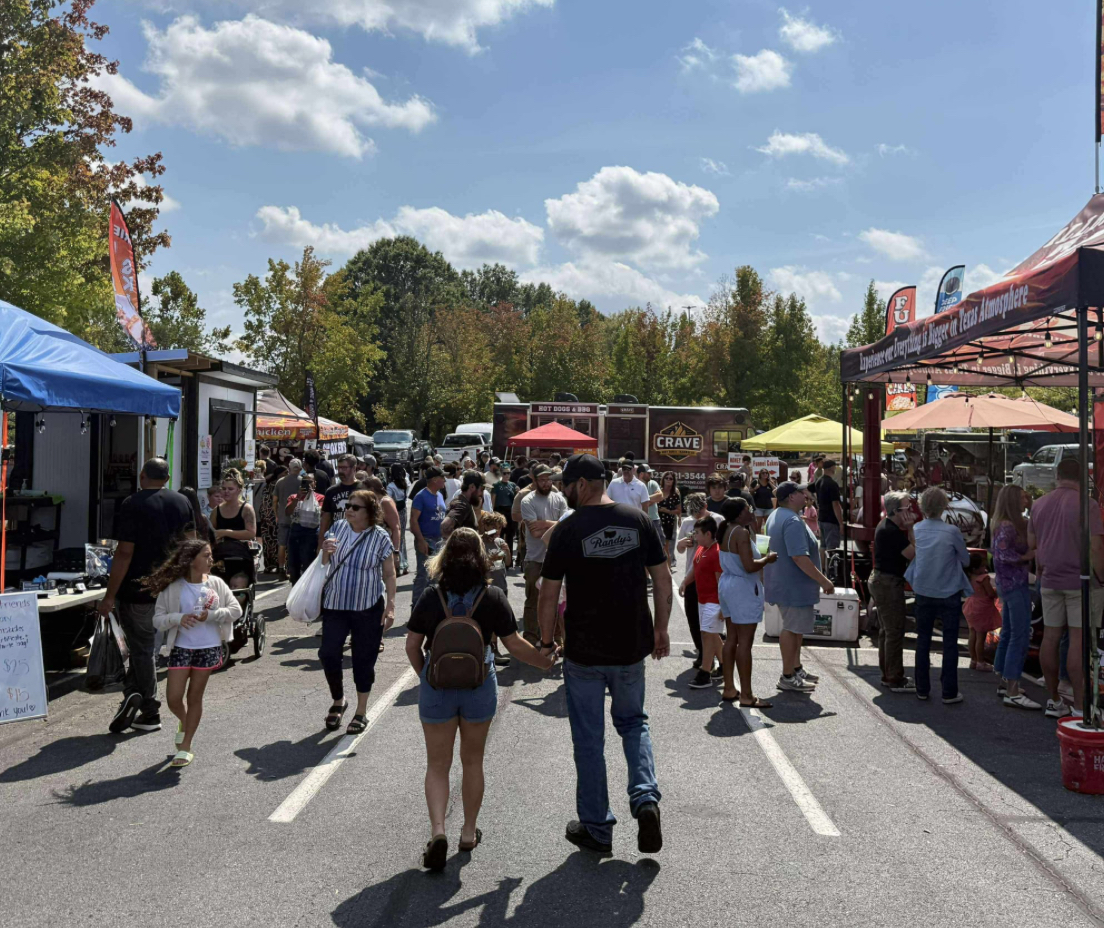
Gainesville, GA — When is the last time you enjoyed Gainesville? The city is preparing for a flavorful and creative weekend as FoodeesFest arrives May 8–10, 2026, at Lakeshore Mall (150 Pearl Nix Pkwy, Suite C9).
Foodeesfest : Free Food & Artisan Festival at Lakeshore Mall
The traveling food and artisan festival will turn the mall into a vibrant community hub filled with gourmet eats, unique handmade goods, and a welcoming atmosphere for all ages.
What to Expect at FoodeesFest
FoodeesFest brings together an impressive lineup of culinary and creative talent. Attendees can look forward to:
- 40+ Gourmet Food Trucks & Vendors offering everything from bold barbecue and street tacos to decadent desserts and refreshing drinks. Whether you’re craving something familiar or eager to try new flavors, the festival promises a wide variety of options throughout the weekend.
- Dozens of Artisan & Craft Vendors showcasing one-of-a-kind handmade items, including jewelry, artwork, home décor, and specialty goods. The artisan marketplace is the perfect place to discover unique treasures while supporting local makers and small businesses.
When Is Foodeesfest in Gainesville?
Event Schedule
- Friday, May 8: 1:00 PM – 9:00 PM
- Saturday, May 9: 11:00 AM – 9:00 PM
- Sunday, May 10: 11:00 AM – 7:00 PM
Free Tickets & Raffle
Best of all, ticket registration is completely free. Every registration automatically enters guests into a raffle to win a free meal on Foodees. Tickets can be reserved online at the official FoodeesFest ticketing page.
A Celebration of Food, Culture & Community
“We are thrilled to bring the Foodees Food and Culture Festival to Gainesville,” said Tricia Croft, Owner of Foodees, LLC. “FoodeesFest is about creating an atmosphere where communities can gather, discover amazing food, support talented artisans, and enjoy great times together.”
Whether you’re a foodie, a shopper, or simply looking for a fun weekend outing with family and friends, FoodeesFest offers something for everyone.
Mark your calendars for May 8–10 and get ready for a delicious celebration at Lakeshore Mall.
-

Angel Reese, affectionately known as the “Bayou Barbie,” has transformed from a dominant college basketball phenom into one of the most marketable and influential figures in women’s sports.
At just 23 years old, the 6-foot-3 forward has already secured two WNBA All-Star nods, led the league in rebounding twice, won an NCAA championship, and built a business empire that far outpaces her on-court salary. Now, she’s headed to Atlanta to join the Atlanta Dream.
Angel Reese: From Baltimore To BR To ATL
Her journey blends elite athleticism, unapologetic confidence, and savvy branding that has made her a millionaire marketing maven.
Humble Beginnings and High School Stardom
Born on May 6, 2002, in Randallstown, Maryland, Angel Reese grew up in a sports-oriented family. Her mother, Angel Webb Reese, played college basketball, and her brother, Julian, competed at the University of Maryland. Reese excelled early, earning McDonald’s All-American honors in 2020.
She began her collegiate career at the University of Maryland, where as a freshman she helped the Terrapins win the Big Ten regular season and tournament titles while reaching the NCAA Sweet 16.
After one season, she transferred to Louisiana State University (LSU), a move that would catapult her into superstardom.
College Dominance: The Making of a Champion
At LSU under coach Kim Mulkey, Reese became a national sensation. In her sophomore season (2022-23), she averaged a staggering 23.0 points and 15.4 rebounds per game, setting an NCAA record with 34 double-doubles in a single season.
he led the Tigers to their first-ever national championship, defeating Caitlin Clark and the Iowa Hawkeyes in the title game. Reese earned NCAA Tournament Most Outstanding Player honors after posting consistent double-doubles throughout the tournament, including 15 points and 10 rebounds in the championship.
Her junior year (2023-24) was nearly as impressive: 18.6 points and 13.4 rebounds per game, SEC Player of the Year, and another deep tournament run.
Reese left LSU as one of the most decorated players in recent college basketball history—unanimous First-Team All-American, multiple All-SEC selections, and a record-breaking rebounder who combined scoring, defense, and relentless energy on the glass.
Her flair for the dramatic—flashing the “You can’t see me” gesture after big plays and embracing the spotlight—made her a cultural phenomenon beyond the court.
WNBA Arrival and Professional Impact
The Chicago Sky selected Reese with the No. 7 overall pick in the 2024 WNBA Draft. In her rookie season, she immediately made history, becoming the only player to average at least 12 rebounds per game in a season.
She earned All-Rookie Team honors and her first All-Star selection while leading the league in rebounds.
In 2025, she defended her rebounding title, posted another double-digit scoring average, and earned her second All-Star nod.
Over two seasons with Chicago, Reese averaged roughly 14 points and 13 rebounds per game, establishing herself as a defensive anchor and second-chance machine.
She also excelled in the off-season 3-on-3 league Unrivaled, winning a championship and Defensive Player of the Year honors in 2025.On April 6, 2026, in a major blockbuster, the Sky traded Reese to the Atlanta Dream in exchange for Atlanta’s first-round picks in 2027 and 2028 (plus 2028 second-round swap rights).
The move pairs her with stars like Rhyne Howard and Allisha Gray on a contending roster, opening new chapters for her career.
Building the Brand: From NIL Pioneer to Marketing Powerhouse
While Reese’s on-court production has been elite, her off-court success has been extraordinary. During her time at LSU, she capitalized on the new Name, Image, and Likeness (NIL) era, amassing an estimated $1.8 million in deals—ranking among the top NCAA athletes.
Early partnerships included Reebok (her first major sneaker deal, facilitated by Shaquille O’Neal), PlayStation, Amazon, Calvin Klein, and Sports Illustrated.
In the WNBA, where base salaries remain modest (her rookie-scale contract totaled around $324,000 over four years), endorsements have been the real game-changer. Reese has secured more than 20 major partnerships, including:
- Reebok (with a signature sneaker reportedly launching in 2026 and custom collections)
- Beats by Dre
- Hershey’s (Reese’s Pieces campaigns tied to her fanbase nickname)
- McDonald’s, Amazon, Cash App, PlayStation, Tampax, Airbnb, Raising Cane’s, and more.
Forbes reportedly estimated she earned around $9.4–10 million in 2025 alone, the vast majority from off-court deals. Overall net worth estimates in 2026 range from $2 million to $7 million, with projections suggesting it could climb to $15–20 million in the coming years as her brand grows.
Reese has expanded beyond endorsements into smart investments and ventures.
She has stakes in TOGETHXR (a women’s sports media and commerce company), DC Power FC (a professional women’s soccer team), and recently invested in the Black-owned skincare brand Topicals, helping it close a significant funding round.
She has walked runways for Victoria’s Secret, appeared in high-profile fashion campaigns, attended the Met Gala, and even announced her WNBA draft decision in Vogue.
Her social media presence, charismatic personality, and willingness to embrace controversy (including her high-profile rivalry with Caitlin Clark) have turned her into a content machine that brands love. Reese has said her ultimate legacy will extend “well beyond the court” through business, fashion, and philanthropy via the Angel C. Reese Foundation.
The Complete Package
Angel Reese represents the modern athlete: transcendent on the court with record-setting rebounding and championship pedigree, yet equally dominant in marketing, fashion, and entrepreneurship. From shattering NCAA records at LSU to dominating glass in the WNBA and now joining a rising Atlanta Dream squad, she continues to evolve.
At an age when many players are just finding their footing, Reese has already built a multifaceted empire. Whether she’s grabbing boards, dropping signature poses, closing endorsement deals, or investing in the next generation of brands, the Bayou Barbie shows no signs of slowing down.
Her rise proves that in today’s sports landscape, excellence on the court combined with bold personal branding can create opportunities—and wealth—far beyond the game.
-

In a stunning move announced on April 6, 2026, the Chicago Sky have traded two-time WNBA All-Star forward Angel Reese to the Atlanta Dream. In exchange, the Sky will receive Atlanta’s first-round picks in the 2027 and 2028 WNBA Drafts, along with 2028 second-round swap rights.
The trade marks the end of Reese’s brief but impactful tenure with the Sky, where she was selected 7th overall in the 2024 WNBA Draft out of LSU.
READ up on Angel Reese’s inspiring origin story.
Over her first two seasons, the 6-3 forward established herself as one of the league’s most dominant rebounders, becoming the only player in WNBA history to average at least 12.0 rebounds per game in a season (doing so in both 2024 and 2025).
She earned All-Star honors in each of her first two years and defended her rebounding title in 2025 with averages around 12.6–12.9 rebounds per game, while also contributing double-digit scoring.15
Why Atlanta? A Perfect Fit for a Contender
The Atlanta Dream, who finished the 2025 season with the WNBA’s third-best record at 30-14 before falling in the first round of the playoffs, have been building a formidable core.
With dynamic guards Rhyne Howard and Allisha Gray (the latter finishing fourth in MVP voting last year) already providing elite scoring, playmaking, and defense on the perimeter, the team has long sought a young, energetic frontcourt presence to anchor the paint and energize the fanbase.
Reese fills that role perfectly. Her relentless rebounding, physicality, and ability to dominate the glass pair naturally with Atlanta’s guard-heavy attack.
Recent rumors had Dream players Howard and Gray actively “recruiting” Reese via social media and off-court comments, hinting at strong internal interest in teaming up with the “Bayou Barbie.”
The addition comes as the Dream potentially navigate transitions in their frontcourt, following Brittney Griner’s time with the team and other veteran situations.
For Reese, the move offers a fresh start on a playoff-caliber roster with immediate contention potential, rather than continuing in a rebuilding Chicago environment that struggled to a 10-34 record in 2025.
What It Means for Both Teams
For the Atlanta Dream:
- Immediate boost to interior dominance and second-chance opportunities.
- A young star (Reese is just 23) to build around long-term alongside Howard and Gray.
- Heightened excitement in Atlanta, as evidenced by the team already moving high-profile 2026 home games — including matchups involving Reese and Caitlin Clark — to the larger State Farm Arena to accommodate surging fan demand.14
For the Chicago Sky:
- A strategic reset, acquiring future first-round assets to support a new rebuild after two difficult seasons.
- The departure allows the front office to rebalance the roster around other young pieces and draft capital.
Reese’s Impact and Legacy So Far
Known for her fiery competitiveness, rebounding prowess, and growing cultural influence off the court, Reese has been a transformative figure in the WNBA’s rising popularity.
Her rivalry with Indiana’s Caitlin Clark has drawn massive audiences, and her presence consistently fills arenas. In limited matchups against the Dream, she has posted strong numbers, including double-doubles with high rebound totals.
Off the court, Reese has stayed active in Unrivaled (the 3-on-3 league), recently returning to Rose BC, and has represented USA Basketball.
Looking Ahead to 2026 and Beyond
With the 2026 WNBA season approaching, Reese’s arrival in Atlanta could shift the Eastern Conference balance.
The Dream now boast a more complete roster capable of making a deeper playoff run. For Reese, it’s an opportunity to chase her first championship while continuing to build her legacy as one of the league’s brightest young stars.
Fans in Atlanta are already buzzing — the “ATL Barbie” era is about to begin. This trade not only reshapes two franchises but also adds another layer of excitement to a WNBA landscape that continues to grow in popularity and competitiveness.
-
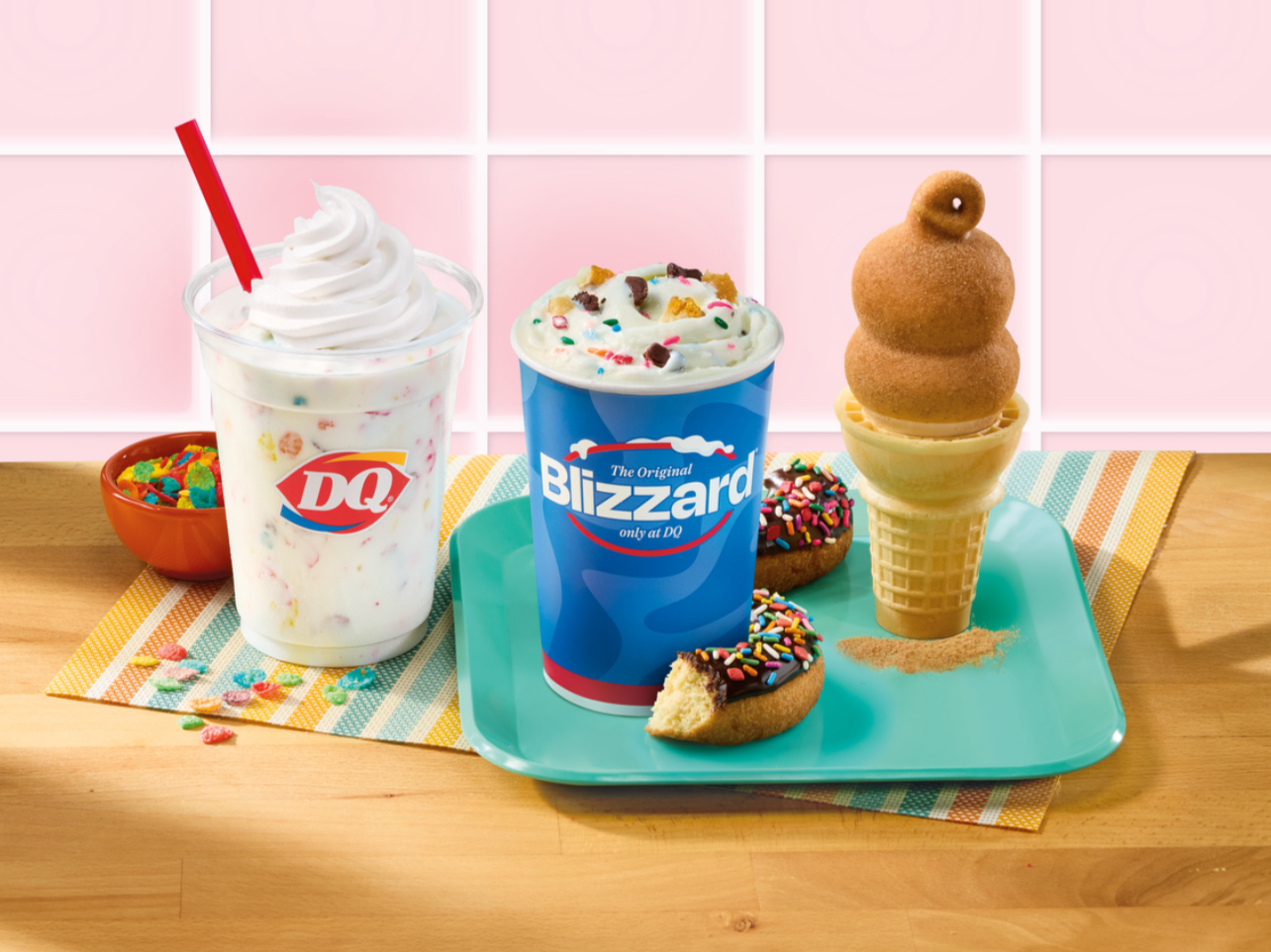
Dairy Queen is tapping into childhood memories with the launch of its exciting new Breakfast Collection, arriving at participating locations starting April 27.
This sweet lineup transforms classic breakfast cereals and donuts into indulgent, DQ-style frozen treats that blend the comfort of morning favorites with the brand’s signature soft serve.
Here’s what’s on the menu:
New! Choco Frosted Donut Blizzard Treat
Chocolate frosted donut pieces and colorful sprinkles are blended to perfection with DQ’s world-famous soft serve.This Blizzard delivers the perfect balance of chocolatey donut goodness and creamy texture in every spoonful — a dream come true for anyone who’s ever wanted breakfast dessert.
New! Fruity Pebbles™ Shake
A vibrant, fruity twist on a classic shake. Fruity Pebbles™ cereal is blended with creamy DQ vanilla soft serve and real milk, then topped with whipped cream.It captures the colorful, sweet crunch of the beloved cereal in a sippable, nostalgic treat.
New! Cinnamon Toast Crunch™ Dipped Cone
Vanilla soft serve is dipped in a crunchy, cinnamon cereal-flavored coating packed with cereal bits and finished with a dusting of Cinnadust™.This handheld delight brings the iconic cinnamon-sugar flavor of Cinnamon Toast Crunch™ to a portable cone format that’s perfect for on-the-go enjoyment.
Whether you’re craving something chocolatey, fruity, or cinnamon-spiced, DQ’s Breakfast Collection offers something for every nostalgia lover.
These limited-time items combine the fun of childhood breakfast cereals with Dairy Queen’s creamy classics, creating treats that feel both familiar and excitingly new.
Mark your calendars for April 27 and head to your nearest Dairy Queen to try the Breakfast Collection before it disappears. Which one are you trying first?
Here Are The Best New Restaurants In Atlanta
-

Mark your calendars for a weekend of culture, music, community, and celebration as the 14th Annual Juneteenth Atlanta Parade & Music Festival takes over Piedmont Park from Friday, June 19 to Sunday, June 21, 2026.
This free, family-friendly event commemorates Juneteenth — America’s newest federal holiday honoring the end of slavery in the United States — with live music, vendors, cultural programming, and one of the city’s largest parades.
Organizers are billing it as the world’s largest Father’s Day weekend celebration, blending heritage, freedom, and fun in the heart of Atlanta
Juneteenth Atlanta Music Festival: Everything You Need To Know
- Dates: Friday, June 19 – Sunday, June 21, 2026
- Location: Piedmont Park, 1071 Piedmont Ave NE, Atlanta, GA 30309
- Festival Hours: Typically starting around 10:00 AM and running until 10:00 PM daily (exact daily schedules to be confirmed closer to the event)
- Parade: Saturday, June 20, 2026, starting at 10:00 AM. The parade will wind through nearby streets (including areas along Boulevard and leading into the park) before concluding at Piedmont Park. Attendees can line the route or follow the procession to the festival grounds. juneteenthatl.com
The multi-day festival will feature live performances, a variety of food and artisan vendors, family activities, speakers, and special programming including a truck, buggy, car & bike show, and more. Past events have drawn large crowds for music stages, cultural exhibits, and community gatherings that highlight Black history, resilience, and joy.
Where Is The Juneteenth Atlanta Music Festival Being Held?
The Juneteenth Atlanta Parade & Music Festival will take place in Piedmont Park Park at 1322 Monroe Drive Atlanta GA 30306. Here is a map to help you find it.
Attendees are encouraged to bring their chairs, blankets, pillows and other light equipment. They will have everything else set up and waiting for your arrival.
What Is Juneteenth?
Juneteenth is an American holiday designed to commemorate and celebrate the emancipation of the slaves.
The holiday was first celebrated in Galveston, Texas, where on June 19, 1865, enslaved blacks were informed of their freedom in the wake of the American Civil War.
On that date, the slaves were joyously declared free under the terms of the 1862 Emancipation Proclamation.
Final Word
Set for the third Atlanta weekend in June, this year’s theme emphasizes sustainability — with organizers striving to make it one of America’s top eco-friendly events — alongside youth leadership and community unity (“Us Lifting Us”).Admission is free, making it accessible for all Atlantans and visitors. Parking can be limited around Piedmont Park, so public transit, rideshares, or walking/biking are encouraged.
Whether you’re coming for the high-energy parade, the all-day music and festivities, or to connect with Atlanta’s vibrant cultural scene, the Juneteenth Atlanta Parade & Music Festival promises a memorable celebration of freedom and togetherness.
While it’s warm, take advantage of the outdoors. Don’t miss these awesome summer festivals.
More articles from AtlantaFi.com:
-

Jet’s Pizza has made a name for itself as a neighborhood parlor, but now it’s stepping into metro Atlanta’s priciest ZIP Code. Jet’s Pizza is coming to Buckhead!
Local franchisee Noah Creighton is in the final stages of opening his second Atlanta-area location at 857 Collier Rd NW, Suite 11.
This marks the first Jet’s Pizza inside the perimeter (ITP), bringing authentic Detroit-style deep-dish pizza closer to the city. Its entry will add to Atlanta’s best pizza joints ITP.
The 1,160-square-foot spot will serve Midtown, Upper Westside, and Buckhead customers with Jet’s signature square pies—fluffy centers, crispy caramelized cheese edges, and all products made in-house daily, including fresh dough starting at 8 a.m., homemade sauce, and freshly grated cheese using top-quality ingredients.
Creighton, who began as a delivery driver for Jet’s in 2017 and later worked as a corporate trainer, took over the Marietta location in late 2024 and is now expanding. He aims to eventually grow to 5–7 locations in the area.
When Is Jet’s Pizza coming to Buckhead?
The new Buckhead store is currently in the permitting phase, with a targeted opening in late summer or early fall 2026.
It’s a big step for the brand in Atlanta, where all existing spots have been in the suburbs.
As Creighton put it: “This will be the first Jet’s ITP… I’m excited to be the first one. I think it’s going to be an amazing location.”
Detroit-style fans, get ready—proper pizza completion is on the way to Atlanta!
Metro Atlanta’s food and drink scene continues to grow with no stops on the horizon. Ready to try something new?
-
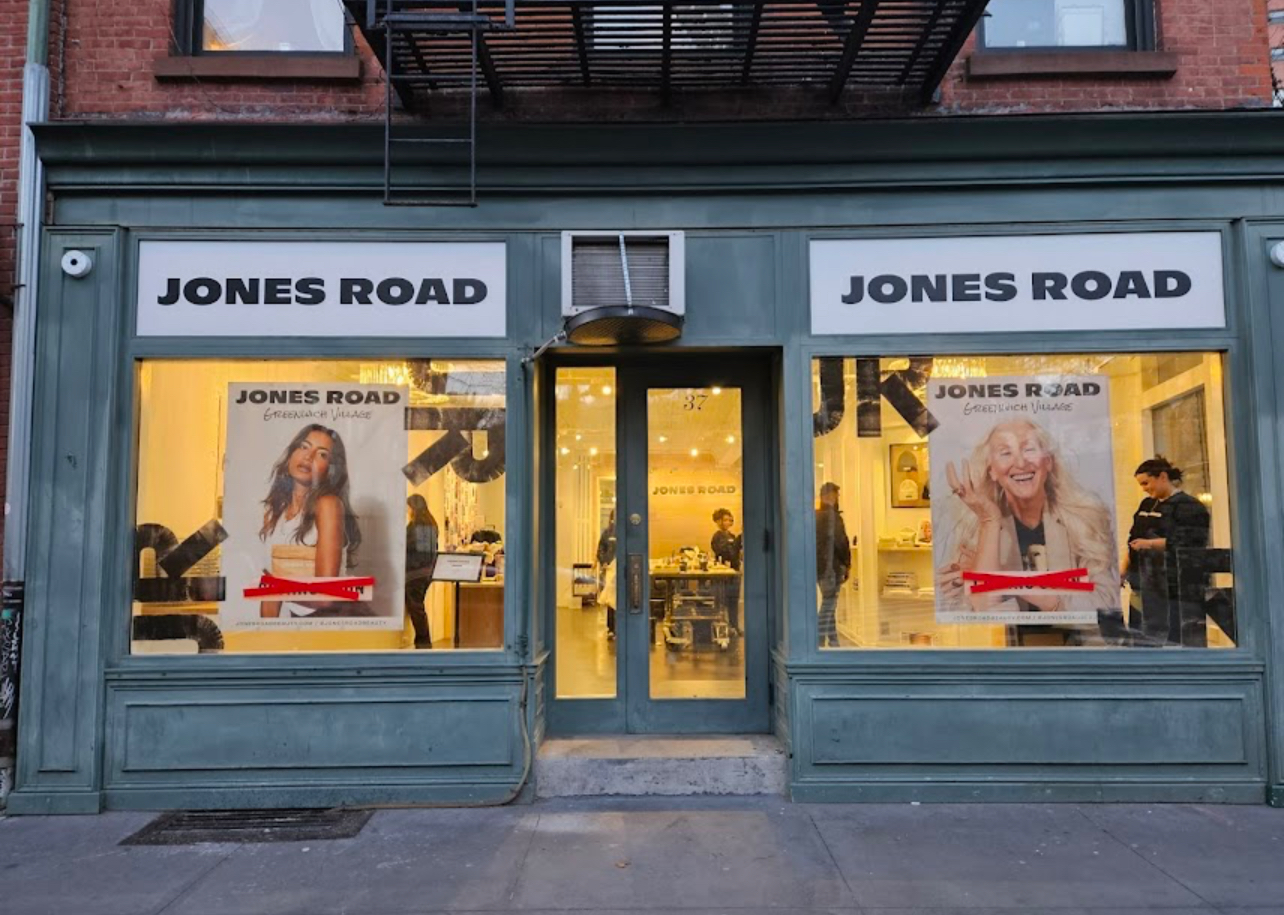
Renowned makeup artist and entrepreneur Bobbi Brown is bringing her clean beauty brand, Jones Road, to Atlanta this summer with the opening of its first Georgia location in the heart of Buckhead Village.
Following her departure from her eponymous brand, Brown founded Jones Road with a mission to deliver high-performance, clean cosmetics that celebrate natural radiance rather than heavy coverage.
Jones Road Opening in Buckhead
The new boutique marks the brand’s 16th store overall and represents a significant expansion of its physical retail presence.
The sleek, 1,800-square-foot space blends Southern charm with modern design elements, creating an inviting atmosphere for shoppers. Located in the vibrant, walkable Buckhead Village, the store is poised to become a go-to destination for beauty enthusiasts in the Southeast.
“Buckhead is perfect for Jones Road’s Georgia debut,” said Juliet Baker, Vice President of Retail. “It’s a vibrant, walkable community filled with stylish boutiques and restaurants.”
Adam Schwegman of Jamestown, the developer behind Buckhead Village, echoed the excitement: “Welcoming Jones Road enhances Buckhead Village as the Southeast’s top retail destination.”
Beyond a traditional retail experience, the boutique will function as an immersive beauty hub. Customers can browse the full range of Jones Road’s core makeup, skincare, and tools, along with exclusive Atlanta merchandise and limited-edition kits.
Makeup artists will be on hand to help shoppers discover their perfect shades and routines.
With this opening, Jones Road continues its steady growth in brick-and-mortar retail, reinforcing the brand’s rising popularity among those seeking effortless, clean “no-makeup makeup” looks.
More From AtlantaFi.com:
-
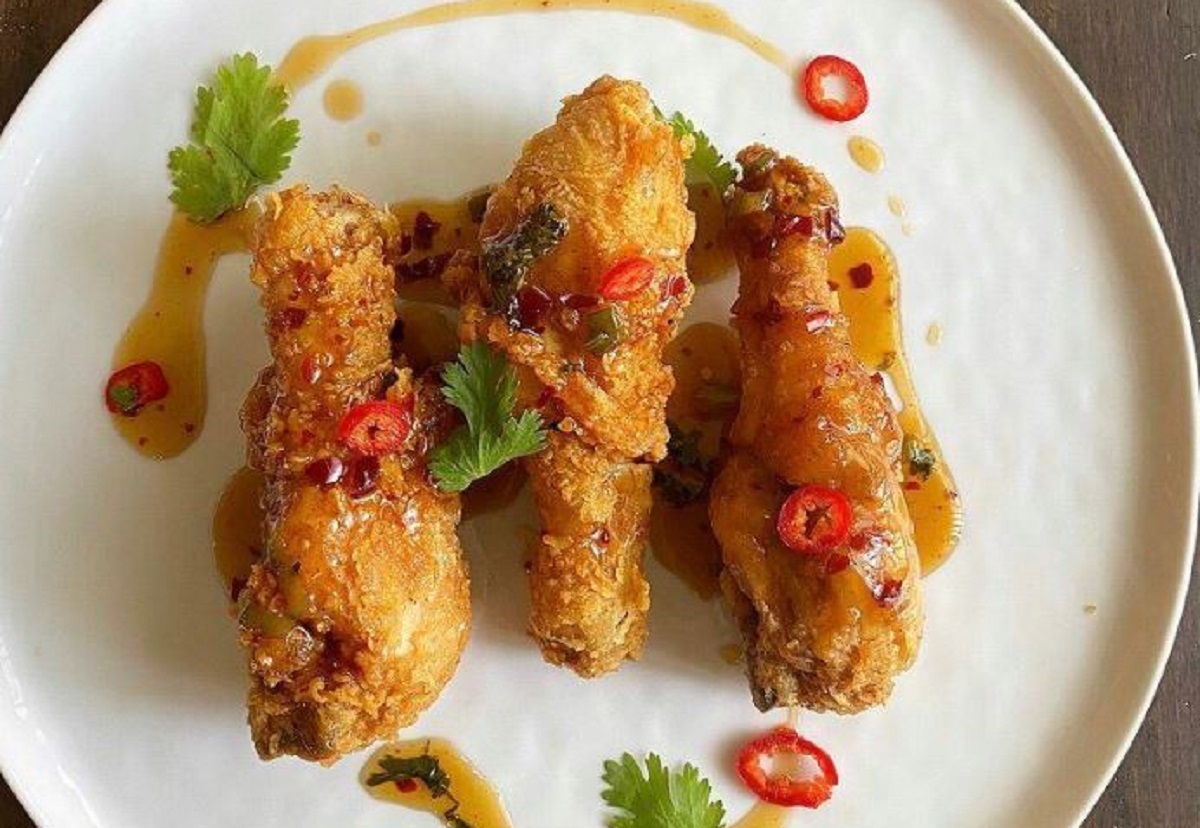
Easter Sunday falls on April 5, 2026, offering the perfect excuse to gather with family and friends at Atlanta’s vibrant dining scene, including its new Atlanta restaurants.
Whether you crave a lavish hotel brunch with the Easter Bunny, a Southern soul-food twist, Mediterranean flavors, or a relaxed neighborhood tavern meal, the city delivers diverse options across cuisines and price points.
Many spots feature spring-inspired dishes like herb-crusted lamb, honey-glazed ham, fresh seafood, and seasonal desserts. Reservations are strongly recommended — book early!
Where To Eat On Easter Sunday in Atlanta
Ready for the “Hunt”? Here’s what to eat for Easter Sunday in Atlanta:
Brasserie Margot at Four Seasons Hotel Atlanta

This elegant spot transforms into a vibrant spring celebration, spanning Brasserie Margot, Bar Margot, the atrium bridge, and Savannah Hall. Expect live culinary stations with herb-crusted lamb, smoked prime rib, Georgia-inspired favorites, abundant seafood and sushi, breakfast classics, and stunning pastries by the executive pastry chef. The Easter Bunny makes appearances for family photos.
- Price: $168++ per adult, $84++ for children (ages 5–11).
- Time: Seatings starting at 11 a.m. on Sunday, April 5.
- Bonus: Saturday afternoon tea on April 4 ($65++).
- Location: 75 14th Street NE, Atlanta, GA 30309.
- Reservations: Available via the Four Seasons website or Brasserie Margot site.
Boone’s

Overlooking the Bobby Jones Golf Course, Boone’s offers breezy patio brunch with kid-friendly touches. Families can meet the Easter Bunny (noon–2 p.m.) and enjoy an Easter egg hunt, followed by activities at the Yates Putting Course.
- Highlights: Classic brunch fare with golf-course views.
- Location: 2205 Northside Dr. NW, Atlanta.
- Reservations: Via Resy.
5Church (Midtown & Buckhead)

Both locations host an annual Easter Sunday buffet (11 a.m.–6 p.m., last seating) with chef-attended stations, carving options (prime rib, honey-glazed ham, lamb in Midtown; porchetta, hot honey chicken & waffles, smoked brisket hash in Buckhead), seafood, salads, pastries, and more.
- Price: $65 per adult, $20 per child.
- Reservations: Check k5hospitality.com/5church-easter-sunday.
Tesserae
415 East Paces Ferry Rd NE, Atlanta, GA 30305 | (470) 600-3500

Easter brunch and dinner reservations at Tesserae are open now for Sunday, April 20. Guests can enjoy a rooftop brunch from 8 a.m. to 2 p.m. featuring a mix-and-match selection of chef-created small plates or signature entrées like Southern eggs benedict, buttermilk fried chicken and waffles, and hanger steak, plus spring-inspired cocktails.
Reservations can be made here.
A special three-course Easter dinner will also be available from 5 p.m. to 9 p.m., offering elevated dishes such as filet mignon, miso-glazed salmon, and seasonal desserts like chocolate pot de crème or lemon raspberry & pistachio cheesecake at a prix fixe price of $65. Reservations can be made here.
HOBNOB Neighborhood Tavern

Visit any metro-area location of HOBNOB Neighborhood Tavern on Easter Sunday, where you’ll get to munch on their famous Strawberry Cheesecake Stuffed Waffle topped with whipped cream and strawberry compote or Peach Dijon Glazed Salmon served atop brussels sprout-sweet potato hash.
The Southern Gentleman

At The Southern Gentleman, you can get $75 buffet menu ($30 for children) featuring lollipop lamb chops, crab fritters, fried green tomatoes, Southern fried chicken with skillet cake, and Creole redfish with crab-stuffed potato purée. A kid’s menu is also available.Twisted Soul Cookhouse & Pours
Gypsy Kitchen
3035 Piedmont Rd, Ste A209, Atlanta, Ga. 30305

Photo credit: Gypsy Kitchen Join us for a bohemian-inspired celebration and a culinary journey unlike any other: signature Pan-Mediterranean brunch and dinner menus, supplemented by special holiday chef features. Guests can expect elevated seasonal dishes alongside favorites like Moroccan Spiced Chicken & Waffles, available from 11 AM to 3 PM for brunch and into the evening. We’ll be serving our signature brunch and dinner menus, elevated with seasonal chef features crafted just for the holiday.
Your 3rd Spot

At Your 3rd Spot in West Midtown, diners can enjoy Easter brunch on Saturday and Sunday, with an Egg Hunt set for 3 p.m. on Sunday.
Your 3rd Spot’s operating hours for Easter weekend:
- Friday, April 18: 2 pm to 12:30 am
- Saturday, April 19: 1 pm to 1:30 am
- Sunday, April 20: 12 to 10:30 pm
Final Bite
You don’t have to wait until Easter to get your grub on in the ATL. The largest city in the Southeast – Atlanta – has a few things to do as well. An Atlanta weekend is one to remember.
More Articles from AtlantaFi.com:
-

April 5, 2026 — Atlanta, GA — As Atlanta families gather for Easter Sunday celebrations, many are making last-minute runs for groceries, candy, or household essentials. The question is: Is Publix open for Easter? What about Target or other stores?
While some major retailers close to give employees the day off with family, others remain open with regular or adjusted hours. Here’s a breakdown of what to expect from popular chains in the metro Atlanta area.
What Stores Are Open for Easter?
Always call your local store or check their app/website for the most accurate details, as hours can vary slightly by location.
Is Target Open for Easter?
All Target stores in Atlanta and surrounding areas are closed on Easter Sunday.
The retailer traditionally observes the holiday by shutting down operations entirely. This includes Atlanta locations like Midtown, Buckhead, Edgewood, and Perimeter.
Target typically resumes normal hours (usually 8 a.m. to 10 p.m. or similar) on Monday. If you need items like Easter baskets or last-minute gifts, plan to shop Saturday or consider alternatives.
Is Publix Open for Easter
Publix stores across Atlanta will be closed on Easter Sunday.
The popular supermarket chain closes for three major holidays each year — Easter, Thanksgiving, and Christmas — to allow associates time with loved ones.
Atlanta-area Publix locations, known for their fresh produce, deli items, and bakery goods, will not be open today. Stores were open with normal hours on Saturday for pre-holiday shopping and will reopen Monday.
Is Walmart Open for Easter?
Most Walmart stores in the Atlanta area will be open with regular hours on Easter Sunday.
Walmart typically operates from 6 a.m. to 11 p.m. on the holiday, though some locations may have slight variations. Supercenters and Neighborhood Markets around Atlanta should have groceries, candy, toys, and other essentials available.
Pharmacy hours may be limited or closed — check the Walmart app or website for your specific store. This makes Walmart a reliable option for last-minute Easter needs.41
Kroger
Kroger stores will be open with regular hours on Easter Sunday.
Most Kroger locations in Atlanta, including those under the Kroger, Kroger Marketplace, and related banners, plan to operate their standard schedules (often 6 a.m. to 11 p.m., depending on the store). Note that pharmacy and some specialty departments may have reduced hours or be closed.
Final Word
Fuel centers and pickup/delivery services could also vary. It’s a solid choice for Atlanta shoppers needing fresh meats, produce, or Easter dinner staples.
Other retailers like Costco, Aldi, and Sam’s Club are generally closed, while some convenience stores, dollar stores, and restaurants may have limited operations.
-

Spring break season is heating up again! With warmer weather on the horizon, many Atlantans—especially college students and families—are eyeing affordable getaways from Hartsfield-Jackson Atlanta International Airport (ATL), the world’s busiest airport.
In 2026, spring break for many Georgia schools and universities (like Georgia State, UGA, and others) typically falls in early to mid-April (depending on the institution).
Book early for the best rates, as domestic fares average $160–$330 round-trip from ATL during peak spring break weeks—often 6% cheaper year-over-year thanks to strong competition.
We’ve updated this list with popular, budget-friendly destinations popular among 18–24-year-olds and families, focusing on beach escapes, city vibes, and warm-weather spots.
Prices reflect typical cheap fares for March travel (one-way where noted; round-trips are often double plus taxes/fees). Budget airlines like Spirit, Frontier, and Southwest frequently offer the lowest rates, sometimes under $50 one-way to Florida.
Top Cheap Spring Break Flights From Atlanta
- Miami / Fort Lauderdale, Florida — Flights from ~$33–$60 one-way
Classic beach vibes, nightlife, and South Beach energy. Ultra-cheap on Spirit or Frontier. - Tampa / Orlando, Florida — Flights from ~$45–$60 one-way (Tampa often cheapest)
Beaches, theme parks (Disney/Universal for families), or Ybor City nightlife. Southwest and Frontier shine here. - Fort Myers / Southwest Florida — Flights from ~$50–$100 one-way
Quieter Gulf Coast beaches, great for relaxation or shelling. - Chicago, Illinois — Flights from ~$100–$150 round-trip
Urban energy, deep-dish pizza, and spring events—cooler but often a solid deal. - Houston, Texas — Flights from ~$110–$160 round-trip
Foodie paradise, Space Center, and proximity to Galveston beaches. - Las Vegas, Nevada — Flights from ~$95–$175 round-trip
Non-stop party central with shows, pools, and casinos. Great value even in spring.1 - New York, New York — Flights from ~$150–$200 round-trip
City that never sleeps—museums, Broadway, and spring vibes (bundle with budget hotels). - San Juan, Puerto Rico — Flights from ~$140–$250 round-trip (no passport needed for U.S. citizens)
Caribbean beaches, old town charm, and bioluminescent bays. Fares have improved with more competition. - Phoenix, Arizona — Flights from ~$200–$350 round-trip
Still rising in popularity for nightlife, hiking, and affordable desert fun. Great food scene. - Los Angeles, California — Flights from ~$180–$300 round-trip
Beaches, Hollywood, and year-round sunshine. Longer flight but worth it for West Coast energy.
Bonus emerging picks for 2026: New Orleans (easy Southwest deals), Cancún, Mexico (round-trip ~$190–$320, down year-over-year), or Punta Cana for all-inclusive Caribbean packages if you want tropical without breaking the bank.506
Note: International spots like Mexico or the Caribbean may require a passport and can include all-inclusive deals that bundle flights + resorts.
When Are the Best Days to Travel for Cheap Flights?
To score the lowest fares:
- Fly mid-week (Tuesday or Thursday) to avoid weekend surges.
- Consider shoulder days just before/after peak spring break weeks.
- Use tools like Google Flights’ “Explore” map or set price alerts.
- Fly into secondary airports (e.g., Fort Lauderdale instead of Miami, or Orlando for Tampa-area trips) for bigger savings.
Other money-saving tips:
- Bundle flights with hotels or cars on sites like Expedia or Southwest Vacations.
- Check for free events, happy hours, or student discounts at your destination.
- Be flexible with dates—prices can drop significantly with small shifts.
Pro Tips for Flying Out of Atlanta in 2026
Hartsfield-Jackson (ATL) remains incredibly convenient with tons of non-stop options and fierce competition among carriers. Delta is the dominant hub airline, but Frontier, Spirit, and Southwest drive the cheapest fares on domestic routes.18
- Arrive early—security can be busy during spring break.
- Download the ATL airport app for real-time gate and security wait info.
- Consider clear or TSA PreCheck if you fly often.
Whether you’re chasing beaches in Florida, nightlife in Vegas or Miami, or a quick cultural hit in Chicago or New York, Atlanta’s central location and airport make it one of the easiest U.S. cities for affordable spring getaways. Book soon for 2026 deals, and safe travels!
- Miami / Fort Lauderdale, Florida — Flights from ~$33–$60 one-way