-

Dr. Heavenly Kimes, the outspoken dentist and reality TV personality known for her role on Bravo’s “Married to Medicine,” has taken a significant step toward transitioning from the small screen to the halls of Congress.
On March 4, Kimes submitted her qualifying paperwork to run as a Democrat for Georgia’s 13th Congressional District, a move that positions her to challenge longtime incumbent Rep. David Scott in the upcoming May primary.
Dr. Heavenly Kimes Qualifies for Congress
Kimes, 55, who has built a successful dental practice in Atlanta and become a fixture in the city’s social and entrepreneurial scenes, announced her congressional bid earlier this year after initially planning to run for state representative.
Her campaign emphasizes grassroots momentum, drawing on her experiences as a business owner, mother, and community advocate to address key issues affecting families in the district, which spans parts of Atlanta and its southern suburbs.”Initially, I was running for state representative. I’ve been giving back to my community for years and felt that was the next transition,” Kimes said in a recent interview.
“But once I actually announced, everybody said, ‘You can do something bigger for your community.’” She shifted her focus to Congress amid concerns over healthcare policy and a perceived lack of engagement from current leadership.
Kimes’ platform centers on affordable healthcare, economic opportunity, safe communities, and direct constituent engagement.
As detailed on her campaign website, she aims to expand access to healthcare by prioritizing patients over profits, promote community wealth through homeownership and entrepreneurship programs, ensure quality education for all children, support families with safer neighborhoods, and boost the local economy via small businesses and job creation.
Her entry into politics has not been without controversy. Some critics, including those associated with the incumbent, have questioned her use of the “Dr.” title in campaign materials, though Kimes, a licensed dentist with over 25 years of experience serving patients in the district, has dismissed such attacks as distractions.
“Titles matter. Integrity matters more. I worked for mine. Earned it. Built on it,” she stated in a social media post addressing the issue.
Kimes’ fame from “Married to Medicine,” where she has appeared for 12 seasons, has been both an asset and a point of discussion. Supporters argue her visibility and relatability make her a strong voice for the district, while detractors question whether her on-screen persona aligns with the seriousness of congressional duties.
Kimes counters that her real-life experiences as a healthcare provider and entrepreneur equip her to fight for lower prescription drug prices, protections for pre-existing conditions, and broader economic stability.
The Democratic primary is set for May 19, 2026, with voter registration closing on April 20. Early voting runs from April 27 to May 15, and absentee ballots will be available starting April 20.
If no candidate secures a majority, a runoff will occur on June 16.As Kimes ramps up her campaign, she continues to balance her political ambitions with her ongoing role on the Bravo series, proving that her drive extends beyond entertainment. “This is real, I’m very serious,” she affirmed recently.
For Atlanta residents in the 13th District, her bid represents a fresh perspective in a race that could reshape local representation in Washington.For more information on Kimes’ campaign, visit drheavenlyforgeorgia.com.
-

Atlanta entrepreneur and new “Real Housewives of Atlanta” cast member Aisha “Pinky” Cole is turning heads—not just for her recent Chapter 11 bankruptcy filing, but for the creative way she’s addressing it.
Cole, founder of the popular plant-based burger chain Slutty Vegan, posted a humorous video on social media parodying her financial situation in a style reminiscent of a children’s educational show.In the video, Cole appears as “Mrs. Pinky,” donning a pink top and denim overalls against a whimsical green background adorned with cartoons.
Pinky Cole Makes Fun Of Herself With Bankruptcy Video
She breaks down various bankruptcy chapters through a catchy rap, explaining concepts like Chapter 7 liquidation, Chapter 11 reorganization, and Chapter 13 repayment plans. “Bankruptcy, let’s learn the code: 7 liquidate and roll, 11 you reorganize, 13 pay it back slow,” she raps, encouraging viewers to “file that bankruptcy” while highlighting options for farmers, international businesses, and cities.
Reactions poured in, with fans calling it everything from “cringe” to “corny,” while others praised her for the light-hearted approach. One user noted, “Not her telling us how to do it, I think I like her!!” amid mixed feedback.
Cole’s filing, submitted on March 2 in Georgia, lists debts totaling over $1.3 million, including $1.2 million owed to the U.S. Small Business Administration for a COVID-19 Economic Injury Disaster Loan and approximately $192,000 in state taxes to the Georgia Department of Revenue.
usatoday.com This comes after a challenging year for Slutty Vegan, which entered a state-level bankruptcy alternative in 2025, leading Cole to temporarily lose ownership before reacquiring the business.
tallahassee.com The chain, known for its cheeky menu items like the “One Night Stand” burger, has downsized from 14 locations to five, but continues to operate in Atlanta hotspots.Despite the financial hurdles, Cole isn’t shying away from the spotlight. Just days before the filing news broke, Bravo announced her as a full-time cast member for Season 17 of “The Real Housewives of Atlanta,” set to premiere on April 5.
thegrio.com The show, filmed in Atlanta, promises drama among the peach-holding housewives, and Cole’s entrepreneurial story—and now her bankruptcy saga—could add a fresh layer.In another Instagram post, Cole joked about misconceptions surrounding bankruptcy, sharing a photo of herself and her dog “kicked to the curb” to debunk ideas of instant destitution.
thegrio.com Chapter 11 allows for financial reorganization while keeping operations running, which aligns with Cole’s ongoing business efforts.
Slutty Vegan, which started as a food truck in 2018 and exploded in popularity, has become a staple in Atlanta’s vegan scene, drawing celebrities and long lines. Cole’s journey from Baltimore native to Atlanta business mogul has been marked by resilience, including authoring books and expanding her brand into products like plant-based snacks.
As Atlanta watches, Cole’s blend of humor and transparency might just turn this chapter into a comeback story. For now, her “Mrs. Pinky” persona is teaching more than bankruptcy—it’s showing how to face adversity with a smile.
-

Midtown Atlanta has taken a major step forward in building a more bike-friendly and pedestrian-oriented neighborhood with the official opening of the new protected bikeway on Juniper Street.
After nearly two years of construction—and a planning process that dates back to 2010—the southbound protected bike lanes along Juniper Street are now open to cyclists.
The new facility stretches approximately one mile (12 blocks) from 14th Street to Ponce de Leon Avenue, running right through the heart of Midtown.
The Juniper Complete Street Project, led by the Midtown Alliance in close partnership with the Atlanta Department of Transportation (ATLDOT), transforms this busy corridor into a true “complete street.” Key features include:
- High-quality protected southbound bike lanes separated from vehicle traffic (typically with wide raised or planted barriers, especially at intersections)
- Improved sidewalks and pedestrian facilities
- Calmer vehicular traffic flow to enhance overall safety for everyone
The project was funded by the City of Atlanta and the Midtown Improvement District. While the bike lanes and signals are fully operational—including the start of the city’s required 30-day signal burn-in period—riders and drivers should note that minor punch-list work and clean-up by the contractor could lead to occasional temporary closures in the coming weeks.
Local reactions have been largely positive from those who walk and bike in the area. Georgia Tech student Chase Franklin shared his excitement: “It’s certainly more convenient… I live near Piedmont, so when I go to class, I don’t have to worry about parking. There are a lot of roads that aren’t really accessible for bikes… Having protected bike lanes is really helpful for navigating the city.”
Longtime Midtown resident Tommy Jones, who’s lived in the neighborhood for 21 years, appreciated the pedestrian focus: “If you are a pedestrian, which is what this is trying to encourage, it’s wonderful. That’s one of the drivers’ gripes about it—it does slow things down… But that was the point, so I love it.”
This new southbound bikeway on Juniper pairs perfectly with upcoming improvements on Piedmont Avenue. The Piedmont Complete Street Project (covering about 1.1 miles between Ponce de Leon Avenue and 15th Street) will add a protected one-way northbound bike lane, enhanced sidewalks, better crosswalks, formalized on-street parking, and roadway resurfacing.
That work, also managed by Midtown Alliance with ATLDOT, is expected to wrap up by the end of 2026 and will dramatically improve access to Piedmont Park while boosting safety for all users.
The Juniper opening marks real progress in Midtown’s long-term vision for safer, more connected, and multi-modal streets. Whether you’re commuting by bike, strolling to Piedmont Park, or just navigating the neighborhood, these changes make getting around easier and safer for everyone.
Stay tuned for more updates on Midtown’s growing network of protected bike facilities and complete streets!
Final Word
Downtown Atlanta’s development landscape has undergone significant transformation in recent years, driven by large-scale mixed-use projects, infrastructure upgrades, and a focus on revitalizing the city’s historic core. These changes reflect a broader effort to make Downtown more vibrant, walkable, and economically robust, particularly in preparation for events like the 2026 FIFA World Cup.
More Content From AtlantaFi.com:
-

In a bold step toward the future of urban mobility, a groundbreaking pilot program featuring self-driving electric pods is underway near Hartsfield-Jackson Atlanta International Airport (ATL).
The initiative, aimed at easing congestion and providing efficient on-demand transit, promises to connect key locations with autonomous vehicles that operate on dedicated guideways, free from the hassles of traditional traffic.
Revolutionary Self-Driving Pods Coming To Atlanta Airport
The Automated Transit Network (ATN) Demonstration Pilot, spearheaded by the ATL Airport Community Improvement Districts in partnership with California-based tech firm Glydways, broke ground on February 18, 2026.
This half-mile loop will link the ATL SkyTrain at the Georgia International Convention Center to the Gateway Center Arena in College Park, offering a seamless, driverless ride for passengers.
Riders can summon one of the sleek, gray pods – known as Glydcars – via a mobile app, with each vehicle accommodating up to four people plus luggage and traveling at speeds of up to 30 mph.
“This project represents a game-changer for airport-area transportation,” said Gerald McDowell, executive director of the ATL Airport Community Improvement Districts. “By utilizing narrow, dedicated guideways and AI coordination, we’re aiming for rail-like capacity at affordable prices, without the long construction timelines associated with traditional systems.”
The pilot addresses longstanding first- and last-mile connectivity gaps in the 24-hour mobility district surrounding the world’s busiest airport, as identified in a 2019 feasibility study.
The $20 million project is a collaborative effort, with Glydways funding half the costs and the remainder covered by partners including MARTA and other stakeholders.
Up to 10 Glydcars will be deployed initially, operating on private lanes to ensure safety and efficiency.
Public testing is slated to begin in December 2026 as a free service, allowing Atlantans and visitors alike to experience this innovative mode of transit firsthand.
Local leaders and tech enthusiasts have already gotten a sneak peek.
At the Atlanta Regional Commission’s recent State of the Region event, attendees had the chance to sit inside a prototype pod, highlighting its potential for reducing congestion and promoting sustainable travel.
If successful, the system could expand airport-wide, potentially revolutionizing how employees, travelers, and residents navigate the south metro area.
While this isn’t the first foray into autonomous tech at ATL – previous trials in 2022 tested robotic pods for passengers with reduced mobility inside the terminal – the Glydways project marks the first public deployment of on-demand pods in outdoor, dedicated transit networks in the region.
As Atlanta continues to grow, initiatives like this underscore the city’s commitment to innovation and eco-friendly solutions. Stay tuned for updates as construction progresses and the pods hit the guideways later this year.
For more details, visit the ATL Airport Community Improvement Districts website or download the Glydways app when it launches.
Check Out Our Atlanta Travel Guide
-

The highly anticipated Cosm Atlanta venue at Centennial Yards is officially set to open its doors to the public on June 10, 2026, kicking off with an immersive live Shared Reality broadcast of Game 4 of the NBA Finals.
This marks a major addition to downtown Atlanta’s sports and entertainment scene, placing the state-of-the-art facility right next to State Farm Arena and Mercedes-Benz Stadium—putting fans steps away from the action in the heart of the city.
Cosm To Open in Atlanta This Summer
Cosm Atlanta spans 70,000 square feet across three levels and centers around a massive 87-foot-diameter 12K+ LED dome that delivers what the company calls “Shared Reality”—a cutting-edge blend of virtual and physical worlds.
More Content From AtlantaFi.com:
- Centennial Yards: 50-Acre Redevelopment of the Gulch
- What Is The Average Cost of an Atlanta Home?
- The Most Fun Things To Do in Centennial
The technology creates an ultra-immersive environment where attendees get the ultimate “best seat in the house” feel for major events, complete with stunning visuals, dynamic sound, and communal energy.
To celebrate the grand opening, Cosm will host a live Shared Reality production of the NBA Finals Game 4 matchup (TBD).
Tickets for the venue’s debut slate of programming are now on sale through Cosm.com and the Cosm app. The initial lineup includes:
- Live sports broadcasts from the NBA (including NBA Finals Games 4 and potentially 5), UFC, MLB, WWE, and more—such as UFC events on June 14 and College World Series games later in June.
- Immersive Shared Reality screenings of blockbuster films like Harry Potter and the Sorcerer’s Stone and The Matrix.
The venue offers multiple viewing options, from the fully immersive main Dome to social spaces like the Hall and outdoor Deck terrace, with food, drinks, and alcohol available.
Located at 85 Centennial Olympic Park Drive NW in Centennial Yards—described as the emerging “sports and entertainment capital of the South”—Cosm Atlanta is easily accessible via the nearby Five Points MARTA station. The timing couldn’t be better, as the opening comes just days ahead of Atlanta hosting matches in the 2026 FIFA World Cup starting June 15.
This new attraction is expected to draw crowds for big games, movie nights, and special events, further boosting the vibrant energy around Mercedes-Benz Stadium, State Farm Arena, and the broader Centennial Yards development.
For the latest event details, ticket purchases, and venue info, visit Cosm.com/atlanta or download the Cosm app. Atlanta fans—get ready for a game-changing way to experience live sports and entertainment!
-
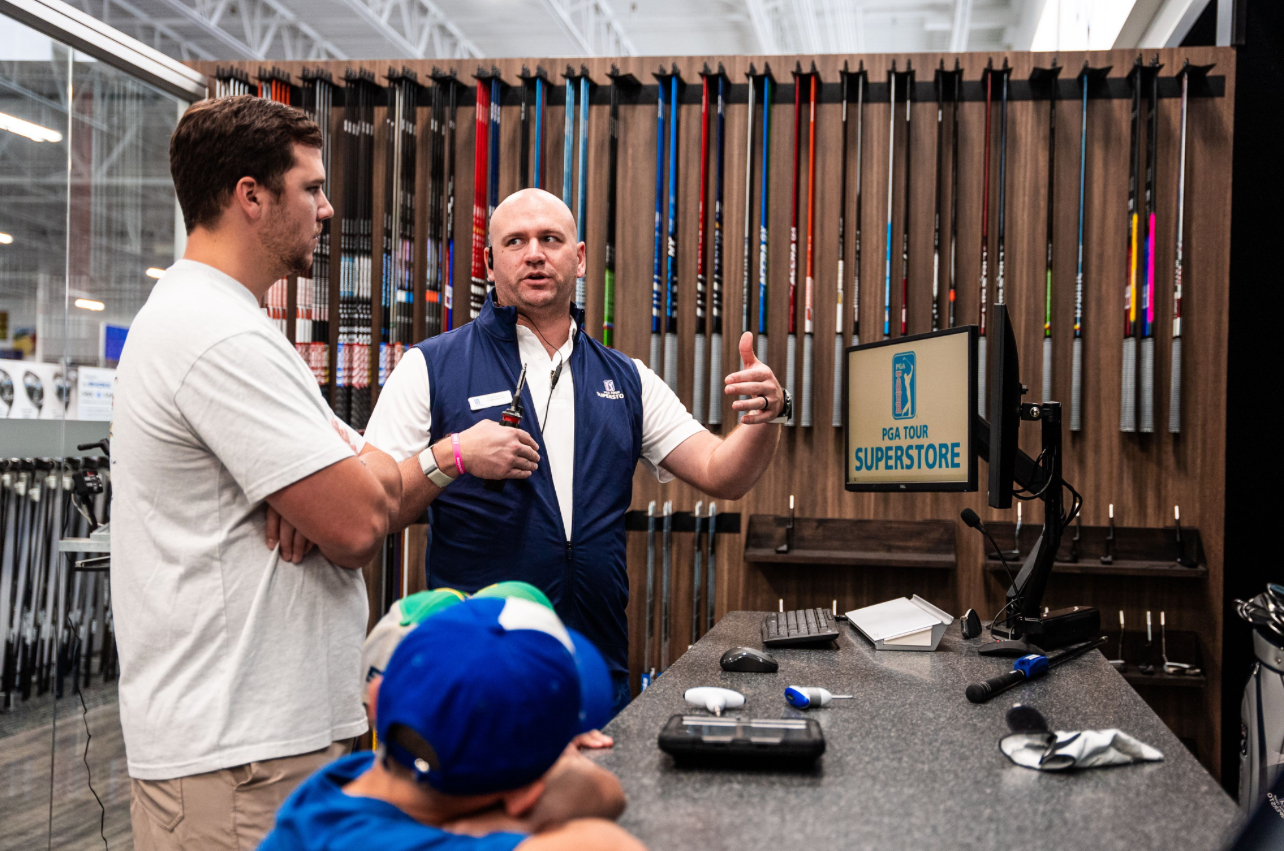
The PGA TOUR Superstore’s Atlanta location is having a grand opening in Buckhead on Saturday, March 7.
The store, located at Buckhead Square, 3255 Peachtree Road, will welcome shoppers starting at 9:00 a.m. Early birds lining up for the debut can score thousands of dollars in merchandise giveaways.
New PGA TOUR Superstore Set To Open in Atlanta
As the nation’s top destination for golf gear, the 30,000-square-foot facility offers an extensive lineup of clubs, apparel, footwear, and accessories for men, women, and juniors—catering to beginners and seasoned players alike.
“We’re thrilled to bring the full PGA TOUR Superstore experience to Buckhead,” said CEO Troy Rice. “Atlanta is our hometown and as the home of Bobby Jones, the TOUR Championship at East Lake, and now Atlanta Drive Golf Club, the city has long had a meaningful connection to golf and its growing popularity today.
The game continues to bring people together, and we’re eager to open our doors and welcome the in-town Atlanta community.”
The store stands out with hands-on, experiential features, including the PGA TOUR Superstore STUDIO™ for enhanced instruction and fittings. Shoppers will find five fitting bays and two practice/play bays, all equipped with TRACKMAN technology and access to more than 65,000 club and shaft combinations from leading manufacturers.
Additional everyday amenities include lessons from certified teaching professionals, club regripping and repair services, a 900-square-foot putting green, and a golf simulator showroom.
Customers can explore simulator options ranging from basic mat setups to premium systems complete with launch monitors, software, and enclosures ideal for home use.
Owned by Atlanta icon Arthur M. Blank—co-founder of The Home Depot and owner of the Atlanta Falcons, Atlanta United, Atlanta Drive Golf Club, the new Atlanta NWSL team, and Mercedes-Benz Stadium—PGA TOUR Superstore is headquartered in metro Atlanta.
The company employs hundreds of local residents and has earned Great Place to Work™ certification for five consecutive years.
The Buckhead store will become the fourth in the region, joining existing locations in Roswell, Kennesaw, and Duluth.
In the lead-up to the March 7 opening, PGA TOUR Superstore plans a series of golf-themed activations across Atlanta, featuring pop-up putting challenges, swing clinics, and community events to build excitement.
Golf enthusiasts in intown Atlanta won’t have to wait much longer to check out the new spot—mark your calendars for March 7 and get ready to swing by.
More From AtlantaFi.com:
-
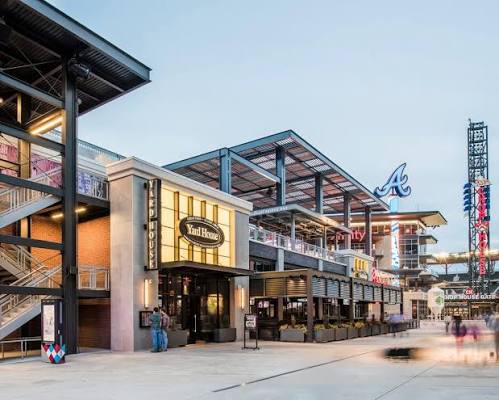
A national multifamily developer has completed the purchase of 3.65 acres of land in Atlanta to build Broadstone Lola, a premium 300-unit Class A apartment community.
The development from Alliance Residential Company is slated to begin welcoming residents in summer 2027.
The site sits in the desirable Vinings/Smyrna submarket, within easy reach of The Battery Atlanta, Truist Park, and the Cumberland Galleria area.
This location provides walkable access to major retailers, dining options, and daily conveniences, while proximity to major employers—including the Atlanta Braves, Comcast, GE Energy, Genuine Parts Company, HD Supply, The Home Depot, Papa Johns, and Truist Financial—supports the area’s status as a hub for business and innovation.
The property offers excellent connectivity to interstate highways and lies inside the perimeter while maintaining close ties to The Battery district.
Carter Brehm, Managing Director at Alliance Residential, commented: “Broadstone Lola represents a new standard for Atlanta living. We’re creating a community that matches The Battery’s energy – sophisticated residences with cutting-edge amenities positioned at the center of Atlanta’s most exciting mixed-use destination.”
Architect Brock Hudgins Architects is designing the community, which will feature a variety of floor plans from 600-square-foot junior one-bedroom units to 1,100-square-foot two-bedroom layouts.
Residences will include high-end finishes such as quartz countertops, premium stainless-steel appliances, plank flooring, nine-foot ceilings, selectable kitchen and bathroom finish schemes, and decorative tile backsplashes.
Amenities will draw from a refined Parisian-inspired design, emphasizing elegant indoor and outdoor social spaces.
Key features include a resort-style saltwater pool with a landscaped deck and grill stations, a curated grab-and-go market, a modern fitness center, a gaming lounge, a clubroom with an indoor fireplace, private workspaces, a conference room, secure garage parking with EV charging stations, bike storage, and a pet spa.
Austin Steele, Development Director at Alliance Residential, added: “With Broadstone Lola, we’re investing in the vibrant lifestyle and energy of The Battery. Residents will enjoy elevated urban living in a district that brings together sports, entertainment, dining, and innovation—day and night.”
More Content From AtlantaFi.com:
-
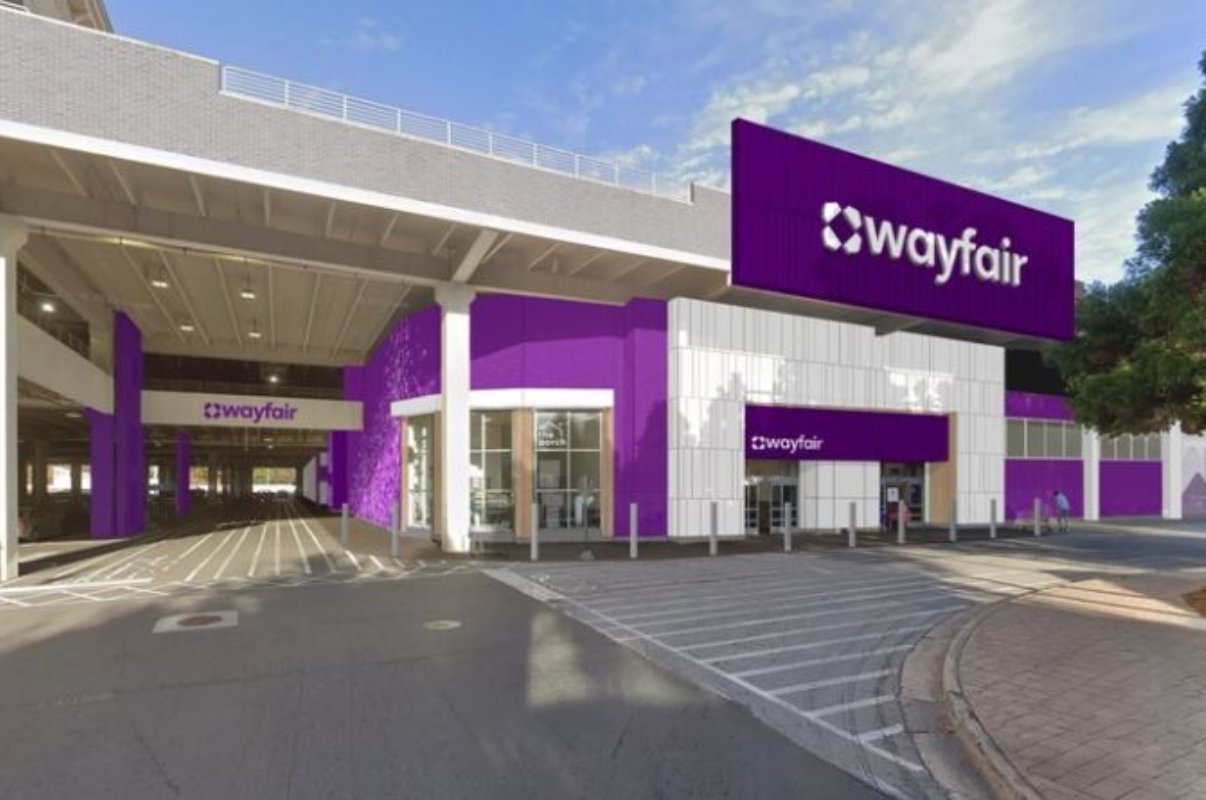
Wayfair is set to bring its signature large-format shopping experience to Atlanta with the grand opening of its second physical store location later this month.
The online home furnishings giant announced today that the new Wayfair store at The District at Howell Mill (1801 Howell Mill Rd NW, Atlanta, GA 30318) will officially open its doors on March 31, 2026, at 10 a.m. ET. A full weekend of grand opening celebrations will follow from April 17–19, 2026, promising special events, giveaways, and family-friendly entertainment to welcome local shoppers.
Spanning approximately 150,000 square feet, the Atlanta store will serve as a comprehensive one-stop destination for home goods. Shoppers can browse an extensive selection of furniture, home décor, outdoor living products, housewares, appliances, and home improvement essentials—covering every style and budget.
Highlights include The Porch, Wayfair’s popular all-day café, along with features like the Dream Center mattress shop and on-site design services, similar to the retailer’s first large-format location in Wilmette, Illinois, which opened in 2024.
Regular store hours will be Monday–Saturday from 10 a.m.–8 p.m. and Sunday from 11 a.m.–7 p.m.
During the grand opening weekend (April 17–19), the first 100 customers each day will receive a $50 Wayfair gift card, with additional activities and surprises planned—more details to be shared closer to the event.
The Upper Westside location at The District at Howell Mill, a well-established shopping center, was first revealed last year as part of Wayfair’s ongoing push into brick-and-mortar retail. The move brings the company’s immersive, hands-on shopping format directly to Atlanta residents after years of dominance in e-commerce.
Local shoppers eager to see (and sit on) Wayfair’s vast inventory in person won’t have to wait much longer.
Mark your calendars for March 31, and plan to join the festivities in mid-April for what promises to be a major home-shopping event in the city.
-

A luxury home in Edgartown, Martha’s Vineyard, tied to the popular whiskey brand Uncle Nearest, now has a sale pending amid the company’s ongoing financial and legal troubles.
The property, located at 10 Codman Spring Road on a roughly 2-acre lot off Edgartown-West Tisbury Road, was purchased in 2023 by a limited liability company connected to Uncle Nearest.
It served as a venue for brand promotional events, including gospel brunches and cocktail gatherings, which drew crowds, caused traffic issues, and sparked neighbor complaints about it functioning more like a commercial space than a private residence. Those events even contributed to new local regulations in several towns limiting large gatherings at homes.
Listed for sale in January 2026 at $2.5 million (with some reports noting $2.595 million), the home quickly attracted a full-price offer from buyers Jennifer and Sekou Kaalund, plus two backup offers at the asking price.
The proposed closing is set for March 19, pending necessary approvals.
The sale is being pushed by court-appointed receiver Phillip G. Young Jr. as part of efforts to resolve Uncle Nearest’s debts and stabilize its finances.
The brand, founded in 2017 and known for its rapid rise and numerous awards, faces a lawsuit from major creditor Farm Credit Mid-America. Filed in 2025, the suit alleges the company defaulted on over $100 million in loans, overstated its whiskey barrel inventory, and violated loan terms by using funds to buy the Edgartown property through a separate LLC not covered in the original agreements. The company entered receivership last year after struggling with issues like missed payroll and heavy reliance on lender support.
Farm Credit Mid-America has consented to the sale and would receive a portion of proceeds (around $900,000) to release its lien, while another lender (Planet Home Lending) would be paid off fully from the funds (about $1.5 million first lien).
Uncle Nearest CEO Fawn Weaver and her husband Keith Weaver, who have objected to the sale, maintain that the property was bought separately by Keith Weaver (not directly by the company) to comply with local Vineyard rules, and that Farm Credit was aware of the arrangement. Fawn Weaver has publicly defended the brand’s overall strength, noting significant revenue, over $150 million in assets, and its status as a highly awarded whiskey.
The U.S. District Court in Tennessee is reviewing the receiver’s request for approval of the sale. The home’s purchase and use were also referenced in earlier 2025 court filings related to the broader dispute.
More from AtlantaFi.com:
-

With another cold snap here during the second week of February, you might as well listen to nice music. It’s going to happen in various live music venues in Atlanta. Here’s a roundup of highlighted live music events for the weekend (note: schedules can change, so check official sites for tickets and updates).
Check Out These Live Music Acts in Atlanta This Weekend
This weekend leans heavily into holiday vibes with orchestral and themed shows, alongside strong hip-hop and rock options.
Friday, March 6
- bbno$ (The Internet Explorer Tour)
- Venue: Coca-Cola Roxy
- Viral rap and high-energy hip-hop—expect a fun, crowd-pleasing show.Machine Girl (with Show Me the Body and LustSickPuppy)
- Venue: The Eastern
- Chaotic digital hardcore and experimental electronic—intense and wild.Sunsquabi (with Manic Focus)
- Venue: Variety Playhouse
- Jamtronica and funky electronic grooves for dancing.The Martinez Brothers (with Roddy Lima and TRACE)
- Venue: District Atlanta
- Top-tier house and techno DJ set—great for electronic fans.Pete Yorn
- Venue: The Masquerade – Hell
- Alt-rock and singer-songwriter vibes.The Summer Set
- Venue: Center Stage Theater
- Pop-rock nostalgia.Full Body 2 (with Cryogeyser and violent magic orchestra)
- Venue: The Masquerade – Heaven
- Experimental and noise rock.Ben Quad and FOOTBALLHEAD (with supports)
- Venue: Aisle 5
- Indie and emo-leaning acts.Amy Ray
- Venue: Eddie’s Attic (Decatur)
- Folk-rock from the Indigo Girls co-founder—intimate acoustic feel.
Saturday, March 7
- bbno$ (The Internet Explorer Tour)
- Venue: Coca-Cola Roxy
- Viral rap and high-energy hip-hop—expect a fun, crowd-pleasing show.Machine Girl (with Show Me the Body and LustSickPuppy)
- Venue: The Eastern
- Chaotic digital hardcore and experimental electronic—intense and wild.Sunsquabi (with Manic Focus)
- Venue: Variety Playhouse
- Jamtronica and funky electronic grooves for dancing.The Martinez Brothers (with Roddy Lima and TRACE)
- Venue: District Atlanta
- Top-tier house and techno DJ set—great for electronic fans.Pete Yorn
- Venue: The Masquerade – Hell
- Alt-rock and singer-songwriter vibes.The Summer Set
- Venue: Center Stage Theater
- Pop-rock nostalgia.Full Body 2 (with Cryogeyser and violent magic orchestra)
- Venue: The Masquerade – Heaven
- Experimental and noise rock.Ben Quad and FOOTBALLHEAD (with supports)
- Venue: Aisle 5
- Indie and emo-leaning acts.Amy Ray
- Venue: Eddie’s Attic (Decatur)
- Folk-rock from the Indigo Girls co-founder—intimate acoustic feel.
Sunday, March 8
- ERRA (with Currents, Caskets, and Aviana)
Venue: The Masquerade – Heaven
Progressive metalcore and heavy riffs to close out the weekend strong. - Bryce Crawford (“I Love Jesus US Tour”)
Venue: Coca-Cola Roxy
Faith-based hip-hop/pop performance.
For more options, check out smaller spots like Eddie’s Attic or Red Clay Music Foundry for emerging acts, or browse full listings on Songkick and Bandsintown.
This lineup’s got something for every taste, from arena spectacles to divey delights. Atlanta’s music scene never sleeps, especially not on Halloween weekend. Check venue sites for updates, as times and openers can shift. What’s your must-see?
Candlelight Concert: Neo-Soul Nights and More

Come check out a Candlelight Concert, which offers a soothing atmosphere while the soulful hits of Prince, Maxwell, Marvin Gaye and more play live on strings. Get tickets.
SoulfulofNoise Presents Soulful Sundays x Atlanta

Photo credit: SoulfulofNoise
Soulful Sundays is the largest open mic experience in Atlanta. Hear singers, rappers and poets express themselves through song, music and more. At Park Studios 101, 318 Cherokee Avenue Southeast Atlanta, GA 30312.
Atlanta Live Music: Sunday, Oct. 19, 2025
- Little Feat at Atlanta Symphony Hall
- Ace Monroe at Masquerade
- Mudvayne at Coca-Cola Roxy
- Between Friends at The Loft
- Candlelight: The Best of Hans Zimmer
Buteco
1039 Grant St SE Suite C-10, Atlanta, GA 30315 | (404) 963-2929

Buteco, a Brazilian coffee shop located in the Beacon development in Grant Park, has a cool vibe with different bands during the week.
Apache Cafe
880 Woodrow St SW, Atlanta, GA 30310 | (404) 594-1170

If you want to enjoy one of the city’s musical gems, Apache Cafe is the place to go. Aside from being the venue where India Irie was discovered, patrons will enjoy the daily happy hour, food and drinks.
With a weekly schedule of events that features Pangea’s Afrosocial, spoken word, karaoke, art, live music and more, this place is a must-visit. See upcoming events.
Blind Willie’s
828 North Highland Avenue NE Atlanta, GA 30306 | (404) 873-2583

The world-renown Blind Willie’s is the premiere spot in Atlanta for some down-home blues music. See upcoming concerts.
Center Stage / The Loft
1374 W Peachtree St NW, Atlanta, GA 30309 | (404) 885-1365

Center Stage is one of the most accessible places in Atlanta to hear some live music. National acts on the pop music and hip-hop scene regularly come through to perform.
The Loft is a more intimate music venue adjacent to Center Stage. It’s a standing-room only place that allows the venue to transform into a gigantic dance floor. See upcoming shows.
City Winery
650 North Avenue NE, Atlanta, GA 30308 | (404) 946-3791

City Winery in Midtown Atlanta has some of the biggest acts week in and week out. If you want to see a top-notch live show, City Winery is the place to be. See their schedule.
Coca-Cola Roxy
800 Battery Ave SE #500, Atlanta, GA 30339 | (470) 351-3866

The Coca-Cola Roxy is a spacious venue at the Battery across the street from SunTrust Park, where the Atlanta Braves play. The Roxy plays big-name acts and packs a crowd on the weekends. See Coca-Cola Roxy events.
Kat’s Cafe

If you’re looking for a lively night of creative arts, Kate’s Cafe in Midtown Atlanta may be just the thing. Neatly tucked away amid some residential homes at 970 Piedmont Ave NE, a short distance from 10th Street, Kat’s Cafe live music bar and restaurant is definitely one of those cool things to do in Atlanta on any day of the week.
Mable House Barnes Amphitheatre
5239 Floyd Rd SW, Mableton, GA 30126 | (770) 819-7765

The Mable House Barnes Amphitheatre draws some major acts to southern Cobb County. If you live out that way, Mable House packs a crowd. See events here.
Northside Tavern
1058 Howell Mill Rd NW, Atlanta, GA 30318 | (404) 874-8745

Northside Tavern in West Midtown is a great place to catch some live music and enjoy some good food at the same time. This is Atlanta’s unofficial “home of the blues” powered by house band Mudcat. Check out their calendar.
The Tabernacle
152 Luckie St NW, Atlanta, GA 30303 | (404) 659-9022

The Tabernacle in downtown Atlanta draws some big acts every week. You can see their event schedule to find someone you no doubt know. See event information.
Terminal West
887 West Marietta St NW C, Atlanta, GA 30318 | (404) 876-5566

In West Midtown, Terminal West is a best-kept secret when it comes to places with live music in Atlanta. See Terminal West events.
The Masquerade
50 Lower Alabama Street, Atlanta, GA 30303 | (404) 577-8178

The Masquerade is a huge music venue for rockers, metal fans and alternative music. You’ll frequently get the hip-hop groups to perform there as well. See upcoming shows.
Red Light Cafe
553-1 Amsterdam Ave NE, Atlanta, GA 30306 | (404) 874-7828

Red Light Cafe in Midtown Atlanta is your place to go to see local rock acts, reggae and other alternative vibes. Check out the Red Light Cafe events calendar.
Variety Playhouse
1099 Euclid Ave NE, Atlanta, GA 30307 | (404) 524-7354

This old movie theater acts as a concert hall for local acts as well as visiting musicians. This intimate venue can hold more than 1,000 people and is in a central location. See who’s playing at Variety Playhouse.
Final Word
For many people, live music can enhance the overall dining experience, adding an extra dimension of enjoyment to the meal. During an Atlanta weekend, live music can make the evening feel more special and memorable.
Atlanta has become known for its music, but mostly in the studio and on the radio. But where are the live music venues in Atlanta?
Atlanta has so many things to do no matter what you’re into: live music, sports, recreation, shopping, etc.
Drop a comment below—we’re all ears (and eyes on the stage). Stay tuned for more AtlantaFi.com music coverage!
Here are more articles from AtlantaFi.com you might like: