-
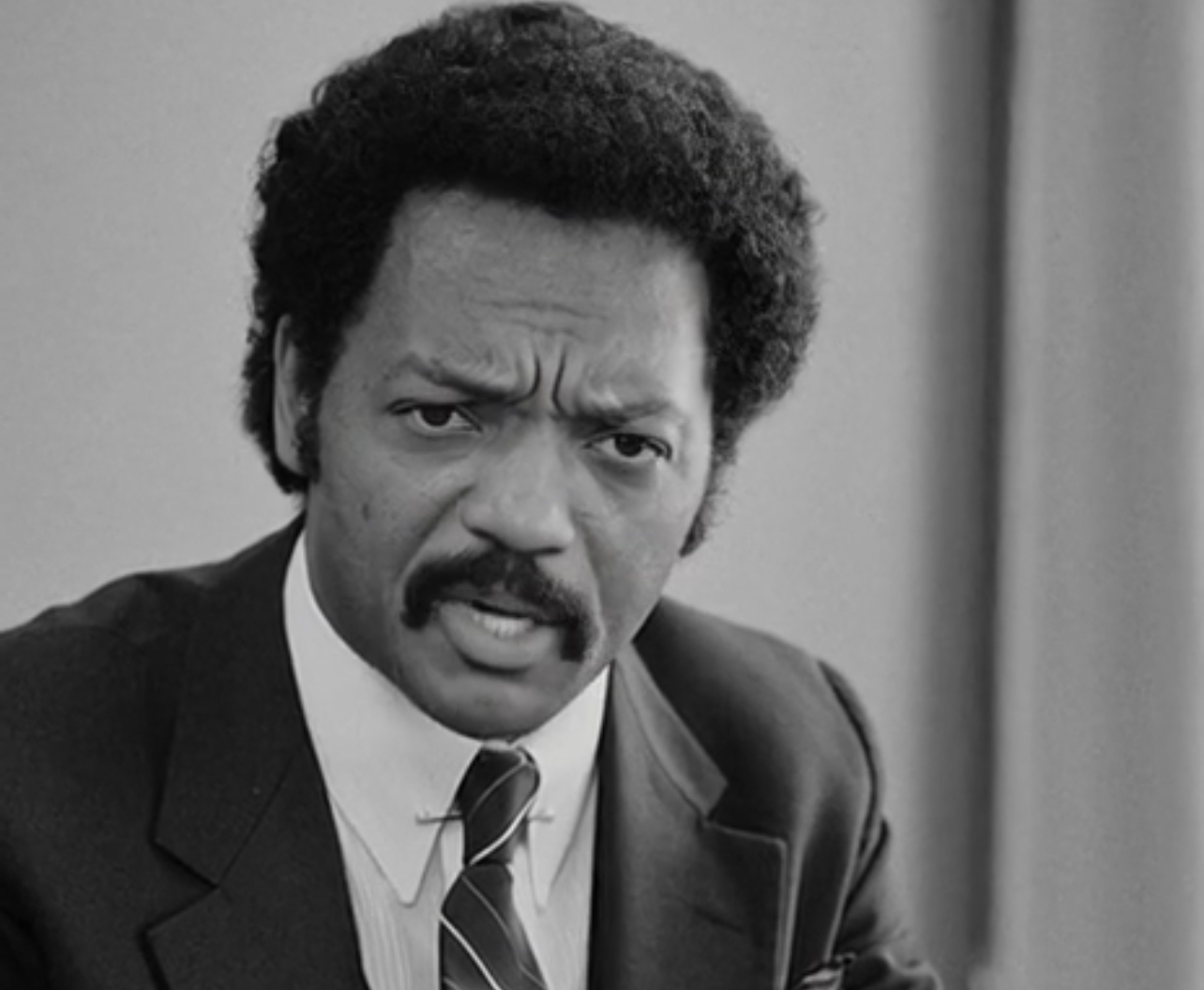
The Rev. Jesse Jackson, the renowned civil rights leader, two-time presidential candidate, and founder of the Rainbow/PUSH Coalition, passed away earlier Tuesday at age 84.
As Atlanta reflects on his legacy, here are five notable visits the civil rights icon made to our city over the decades—moments that often intersected with local activism, historic events, and the ongoing fight for justice.
1. 1973 – Speech at West Hunter Street Baptist Church

In March 1973, Rev. Jackson returned to Atlanta as president of Operation PUSH (People United to Serve Humanity) for a powerful address at West Hunter Street Baptist Church
The visit marked a reunion with old allies from the Southern Christian Leadership Conference era and highlighted shifts in civil rights tactics toward economic empowerment and community organizing.
Jackson spoke on adapting the movement in the post-King years, drawing large crowds eager to hear his message of self-determination and justice.
2. 1986 – Address at Ebenezer Baptist Church

Rev. Jackson spoke at Ebenezer Baptist Church in 1986, delivering remarks tied to Martin Luther King Jr. Day observances.
Standing in the pulpit once occupied by Dr. King, he addressed attendees on continuing the legacy of civil rights, voting rights, and economic fairness.
Photographs from the Atlanta Journal-Constitution captured the emotional moment, as Jackson connected Atlanta’s historic role in the movement to broader national struggles.
3. July 1988 – Keynote Address at the Democratic National Convention

One of the most iconic moments in Atlanta’s political history came when Rev. Jackson delivered his famous “Keep Hope Alive” speech at the 1988 Democratic National Convention, held at the Omni Coliseum (now the site of State Farm Arena).
After a strong second-place finish in the primaries, Jackson rallied delegates with a unifying call for a “Rainbow Coalition” of marginalized groups.
The address, delivered on July 19, 1988, remains a landmark in American oratory and helped cement Atlanta’s place as a hub for progressive politics.
4. Late 2000s/Early 2010s – Advocacy Against Foreclosures

In the wake of the 2008 financial crisis, Rev. Jackson visited Atlanta to protest widespread foreclosures devastating Georgia families. He joined local activists and homeowners outside courthouses on “foreclosure Tuesdays,” when mass sales occurred statewide.
Jackson and supporters rallied to draw attention to predatory lending practices, urging moratoriums and reforms. The visit underscored his longtime focus on economic justice and resonated deeply in Atlanta’s hard-hit neighborhoods.
5. January 2018 – MLK Weekend Sermon at Ebenezer Baptist Church

On January 21, 2018—during the weekend honoring Dr. Martin Luther King Jr.—Rev. Jackson returned to Ebenezer Baptist Church to preach from the same pulpit where he once stood beside his mentor.
As a confidant present at the Lorraine Motel during King’s 1968 assassination, Jackson reflected on the ongoing fight against inequality.
The sermon, covered widely by local media, emphasized perseverance in civil rights amid contemporary challenges like voting access and police reform.
These visits highlight Rev. Jackson’s enduring connection to Atlanta—a city he often described as the “cradle of the old South” and the “crucible of the new South.” From convention halls to church pews, his presence inspired generations. Our thoughts are with his family during this time of loss.
-

Alycia Michelle Parks, the towering talent from Georgia, has emerged as one of American tennis’s most exciting and powerful figures on the WTA Tour.
Born on December 31, 2000, in Atlanta, Georgia, Parks stands at an imposing 6 feet 1 inch (1.85 m), using her height and athleticism to deliver one of the most formidable serves in women’s tennis.

Often hailed as a phenom in her early years for her explosive game and raw potential, she has steadily climbed the ranks, blending power with flair both on and off the court.
What To Know About Alycia Michelle Parks
Early Life and Rise in Tennis
Parks discovered tennis at age 7 under the guidance of her father, Michael Parks, who has coached her since childhood. Growing up in Atlanta (with ties to Henry County, where she practiced at local courts like Richard Craig Park), she showed prodigious talent early on.
At just 13, her serve was clocked at an eye-popping 119 mph, drawing immediate comparisons to legends like Venus and Serena Williams for her power and presence.

To accelerate her development, Parks and her older sister relocated to Florida around age 10 for elite training opportunities, including time at USTA facilities in Boca Raton.
She graduated high school in 2019 and turned down college scholarship offers to pursue a professional career full-time—a bold move that paid dividends as she transitioned quickly to the pro circuit.
Her junior and early pro years highlighted her big-hitting style: right-handed with a two-handed backhand, she thrives on hard courts and uses her reach for devastating serves and groundstrokes.
Professional Breakthrough and Achievements
Parks made her WTA Tour main-draw debut in 2021 at the MUSC Health Open in Charleston, where she notched an early win before falling to top seed Ons Jabeur.
That same year, she made waves at the US Open by tying the record for the fastest women’s serve at the tournament with a 129 mph delivery.
Her breakout came in 2023 when she captured her first WTA singles title at the Lyon Open, defeating top players including a notable win over Caroline Garcia in the final—her first career top-5 victory.
She also excelled in doubles, winning WTA 1000 titles, including the 2023 Western & Southern Open (Cincinnati) with partner Taylor Townsend, and another in Ostrava in 2022.

Parks has added multiple WTA 125 titles to her resume, including singles crowns in Angers, Warsaw, and Gaiba in 2024, showcasing her consistency on the challenger circuit.
Her career-high singles ranking reached No. 40 in August 2023, while her doubles peak hit No. 27.
As of early 2026, she holds a singles ranking around No. 77, with ongoing efforts to regain top-50 form amid a competitive tour.
Notable highlights include strong Grand Slam showings, such as reaching the third round at the 2024 Australian Open (defeating Leylah Fernandez), and upsets like beating No. 1 seed Emma Navarro at the 2025 Monterrey Open.
Recent performances in 2026, including battles in Doha and Dubai qualifiers, demonstrate her continued fight and big-match temperament.
Playing Style and Off-Court Presence
Parks’ game is defined by power: her serve is a weapon, often exceeding 120 mph, and her aggressive baseline play keeps opponents on the defensive. While consistency and error management remain areas for growth (as noted by analysts), her potential for top-10 status is widely discussed when she strings together clean tennis.
Off the court, Parks is known for her bold style, confidence, and partnerships (including campaigns with brands like Batiste and TJ Maxx).
She maintains a strong social media presence on Instagram (@alycia.parks), where she shares training insights, faith-inspired messages (often signing off as “God’s Warrior”), and glimpses into life as a pro. She’s also spoken about inspiring young girls, particularly in the Black tennis community, drawing influence from trailblazers like the Williams sisters.
Looking Ahead
At 25, Alycia Parks remains a phenom with unfinished business. With her Georgia roots, elite athleticism, and proven ability to win big titles, she’s poised for another surge.
Fans watch eagerly for the next breakthrough—whether a deep Grand Slam run or reclaiming her peak ranking—knowing that when her powerful game clicks, few can match her on court. Georgia’s tennis star continues to serve notice: the best may still be yet to come.
Atlanta has a lot of cool things to do and places to eat, including some of the top soul food joints and remarkable Thai food spots. Explore the city.
Here are more articles from AtlantaFi.com you might like:
-
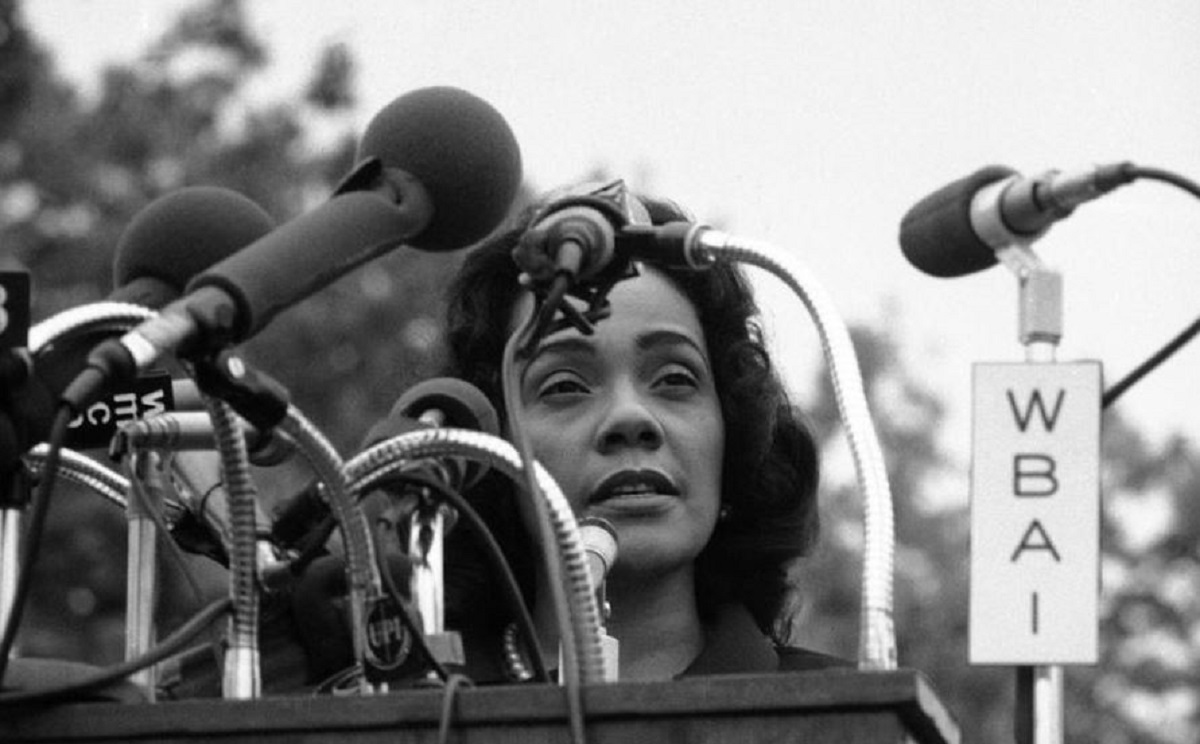
Few figures are as famous and controversial as The Rev. Martin Luther King Jr., straight out of Atlanta. But no one person was more important to him than his wife, the late Coretta Scott King.
Not only is she one of the most iconic women to ever live in America, but along with her husband, she continues to be a charismatic force for good across the world.
You may know that she lived most of her adult life in Atlanta, Georgia, but there’s so much more you may not know. This article will shed some light on the woman behind one of modern history’s most respected leaders.
Best Coretta Scott King Quotes
Mrs. King left us with some indelible quotes that continue to inspire and motivate us years later. Here are some of her best quotes.
On Hate: Hate is too great a burden to bear. It injures the hater more than it injures the hated.On Freedom: Struggle is a never ending process. Freedom is never really won, you earn it and win it in every generation.On the importance of women in the movement: Women, if the soul of the nation is to be saved, I believe that you must become its soul.On humanity: I believe all Americans who believe in freedom, tolerance and human rights have a responsibility to oppose bigotry and prejudice based on sexual orientation.On her in-laws: Mama and Daddy King represent the best in manhood and womanhood, the best in a marriage, the kind of people we are trying to become.Here Are 11 Things You May Not Know About Coretta Scott King
Coretta Scott was born in 1927 in Helberger, Alabama, about 40 miles northwest of Selma. Coretta‘s parents were Obadiah Scott and Bernice McMurry Scott.
She Was Valedictorian Of Her High School Class
Mrs. King was super-smart! She graduated as a valedictorian from Lincoln Normal School in 1945.
The school, which closed in 1970, was founded in 1867 by freed slaves as a school for black children.
Coretta Scott King Was Musically Inclined
As a young person, Mrs. King was skilled at playing various instruments in high school. She played trumpet and piano, sang in the chorus, and participated in school musicals.
When she enrolled at Antioch College, she studied music. She later would make history as she became the first non-white chair of an academic department in a historically white college.
She would later transfer from Antioch to the New England Conservatory of Music in Boston. That’s when she would meet her future husband.
She Babysat A Famous Actor
As a young professional, Mrs. King took up babysitting as a means to earn some extra cash. One family that employed her were the Lithgows family. Coretta would go on to babysit John Lithgow, who went on to become a famous actor in Hollywood.
(Another fun fact is that Lithgow is actor Brad Pitt’s uncle.)
Coretta Changed Her Wedding Vows
When the Kings were married, during the wedding there was one unique variation of the wedding vows: In an unusual move, Coretta had the vow to obey her husband removed from the ceremony.
Obviously, this didn’t mean a thing to MLK, who loved his wife more than anything in the world.
She Played A Major Role In The Passing Of The Civil Rights Act
Contrary to popular belief, Mrs. King was as much as a civil rights leader as her husband. She did as much as anybody to help get the Civil Rights Act passed.
“Not enough attention has been focused on the roles played by women in the struggle. By and large, men have formed the leadership in the civil rights struggle but…women have been the backbone of the whole civil rights movement,” she reportedly said.
After MLK’s Assassination, Coretta Sought A Woman To Take Her Place In the Movement
Not long after her husband’s assassination in 1968, Coretta approached the African American entertainer and activist Josephine Baker to take her husband’s place as leader of The Civil Rights Movement. After many days of thinking it over Baker declined, stating that her twelve adopted children (known as the “rainbow tribe”) were ” … too young to lose their mother.”[5] Shortly after that Coretta decided to take the helm of the movement herself.
She Founded The King Center In Atlanta
It is said that two days after MLK’s death, Mrs. King began plans to honor her husband with a lasting memorial.
As a leader of the movement, King founded the King Center for Nonviolent Social Change in Atlanta. She served as the center’s president and CEO
from its inception until she passed the reins of leadership to son Dexter Scott King. Today the King Center is the official memorial dedicated to the legacy of Martin Luther King Jr. and center of nonviolent social change.
She Petitioned For Years For MLK Day
As far back as 1972, Mrs. King envisioned a national holiday to honor her husband.She openly opined that there should be a day on the American calendar to honor a black man “and, at this point, Martin is the best candidate we have.”
She petitions were eventually successful in 1986, when Martin Luther King Jr. Day was made a federal holiday by President Ronald Reagan.
Oprah Helped Her Find A New Place To Live
In the 1990s, Mrs. King’s home has been hit by several burglaries, including one in which the intruder encountered her sleeping in her bed. After the incidents were highly publicized in the newspapers, media maven Oprah Winfrey paid for her to move into an expensive condo in Buckhead. Former tenants included Elton John and Janet Jackson.
There Is Also A Coretta Scott King Center
In 2005, Mrs. King gifted the use of her name to her alma mater, Antioch College at Yellow Springs, to create the Coretta Scott King Center, an experiential learning resource to address issues of race, class, gender, diversity, and social justice.
She Died In Another Country
After a series of mild strokes, Coretta Scott King traveled to Mexico to begin at the rehabilitation center in Rosarito Beach. She checked in under a fake name, but her real identity soon became known to her caretakers.
Inside the Oasis Hospital, she underwent holistic therapy for her stroke and advanced-stage ovarian cancer. She died on the late evening of January 30, 2006.
Conclusion
Coretta Scott King is one of the iconic figures of the 20th century. She will always be known as the heart and soul of the civil rights movement, but she was much more. She was a dedicated servant, leader, author, humanitarian, mother and American matriarch.
Other women of the movement helped to shape the world we live in right now. What they didn’t tell you about Rosa Parks.
Atlanta has a lot of inspirational people and AtlantaFi.com is going to introduce you to many of them as well as cool places to go, great restaurants and other ATL happenings.
Got an event or know of something opening in and around Atlanta? Holla: CJ@AtlantaFi.com. See what’s poppin’ in the ATL! Subscribe to our news alerts here, follow us on Twitter and like us on Facebook.
More from AtlantaFi.com:
- 7 Amazing Facts About Rosa Parks
- Where MLK and Robert E. Lee Share a Holiday
- 11 Things You Probably Didn’t Know About Coretta Scott King
-

Gas prices are on the rise across Georgia, according to the latest figures from AAA.
As of Monday, the average price of petrol is now $2.72 per gallon – 6 cents higher than a week ago – although slight variations are possible. In Atlanta, it’s $2.73.
Gas Prices Increasing in Georgia
“Gas prices are creeping up as oil gets more expensive and refineries head into their spring maintenance routine,” said Montrae Waiters, spokeswoman for AAA-The Auto Club Group.
“Even though winter weather has kept demand a bit lower, tighter supplies are still nudging prices higher, and while we don’t know when they’ll ease, they’re still well below where they were at this time last year.”
Even with the price increase, Georgia is still 20 cents cheaper than the national average ($2.92) as crude oil demand adjusts to seasonable pressures.
The most expensive markets in Georgia:
- Savannah ($2.80)
- Hinesville-Fort Stewart ($2.75)
- Macon ($2.74)
The least expensive markets in Georgia:
- Augusta-Aiken ($2.64)
- Rome ($2.63)
- Catoosa-Dade-Walker ($2.62)
Looking for ways to save gas? AAA says shop around for gas prices. Drivers can check area gas prices on the Fuel Price Finder.
How To Save Gas: Steps That Work for Your Wallet
With gas prices fluctuating and every fill-up adding up—especially when you’re out running errands or commuting—saving money at the pump is a smart move. Here are practical, effective ways to cut your gasoline costs without major lifestyle changes.
1. Hunt for the Cheapest Gas
Use apps like GasBuddy, Waze, or similar tools to compare real-time prices in your area. Stations off major highways or in less busy spots often charge less.
Warehouse clubs (Costco, Sam’s Club, BJ’s) frequently offer discounted rates for members—sometimes 5–25 cents per gallon lower.
2. Join Rewards and Loyalty Programs
Sign up for free programs at gas stations, grocery chains (like Kroger Fuel Points or similar at Albertsons/Safeway), or apps from brands like Exxon, Shell, or BP.
Many offer cents-off per gallon after earning points from purchases. Credit cards with gas cash-back rewards or membership perks (Amazon Prime, Walmart+) can add extra savings—often 5–10 cents per gallon.
3. Time Your Fill-Ups Strategically
Fill up early in the week (Mondays or Tuesdays) when demand is lower and prices tend to dip. Avoid weekends.
Some suggest pumping early in the morning or late at night when fuel is cooler (and denser), though the savings are small.
4. Drive Smarter for Better Mileage
Aggressive acceleration, hard braking, and speeding above 50–60 mph burn fuel fast—each 5 mph over 50 can act like adding 25 cents per gallon in extra cost.
Use cruise control on highways, obey speed limits, and avoid idling (turn off the engine if waiting more than 10–30 seconds). Smooth, steady driving can improve efficiency by 5–33%.
5. Maintain Your Vehicle Properly
Keep tires properly inflated (check monthly—low pressure reduces MPG by 1–2%). Remove excess weight from your trunk or roof racks (every 100 lbs can cut efficiency by up to 2%).
Get regular tune-ups, change air filters, and use the recommended grade of gas (usually regular unless your car requires premium). These habits stretch each tank further.
6. Combine Trips and Reduce Driving
Plan errands to minimize short trips—your engine runs more efficiently once warm. Carpool, use public transit, bike, or walk when possible. Even small reductions in miles driven add up quickly.
7. Pay Smart at the Pump
Some stations offer lower prices for cash over credit (often 10–15 cents less). Check for deals or discounts tied to payment methods.
Final Word
Implementing just a few of these tips—like using price apps, joining a rewards program, and easing off the gas pedal—can save hundreds over a year, depending on how much you drive. Small changes lead to big savings at the pump!
-

A high-profile attempt to blend sports, culture, and nostalgia on BET+ has come to an end. The streaming service has canceled 106 & Sports, the sports-focused spinoff of the iconic 106 & Park, after just one eight-episode season.
The show, filmed right here in Atlanta at Tyler Perry Studios, starred former NFL MVP Cam Newton alongside sports analyst Ashley Nicole Moss.
BET+ Cancels Sports Show Hosted by Cam Newton After 1 Season
Premiering on October 15, 2025, 106 & Sports aimed to capture the energy of the original 106 & Park—a staple of early 2000s BET programming—while shifting the focus to athletics.
Each episode featured a countdown of the week’s top-10 sports highlights, in-depth athlete interviews, lively cultural debates, and a live studio audience vibe.
Produced in partnership with LeBron James’ SpringHill company, the series hoped to attract both sports fans and viewers drawn to its Atlanta roots and celebrity hosting duo.
Despite the star power and local production boost, BET+ confirmed it will not move forward with additional seasons
In a statement shared with outlets including The Atlanta Journal-Constitution, the network noted that “we will not produce additional seasons of ‘106 & Sports.’ The previous season will continue to live across BET platforms.” All eight episodes remain available for streaming on BET+.
Local fans and industry observers point to several factors behind the short run. The show’s Wednesday 10 p.m. time slot on a platform primarily known for music, drama, and Black entertainment may have limited its reach.
Questions also arose about fitting a dedicated sports program into BET’s broader lineup, especially as streaming competition in sports content intensifies.
Adding to the conversation, some online discussions linked the cancellation to Newton’s recent comments on his Funky Friday podcast. In a widely circulated clip from early February 2026, Newton discussed personal boundaries in friendships with women, stating he avoids platonic relationships with attractive women due to potential complications.
Co-host Moss responded lightheartedly online with “Wellllll damn… this is awkward lol,” sparking memes and debates—but no direct evidence ties these remarks to BET+’s decision.
For Atlanta’s entertainment and sports community, the cancellation is a reminder of the challenges in reviving beloved formats in a crowded media landscape. 106 & Sports brought production jobs and spotlight to Tyler Perry Studios, and its episodes continue to showcase local talent and perspectives.
As streaming services evolve, Atlanta remains a hub for bold content creation. Whether this marks the end of sports programming experiments on BET+ or a pause for rethinking remains to be seen.
What did you think of 106 & Sports? Did you catch any episodes? Share your thoughts in the comments below.
Stay tuned to AtlantaFi.com for more on Atlanta’s entertainment scene, sports, and culture.
-
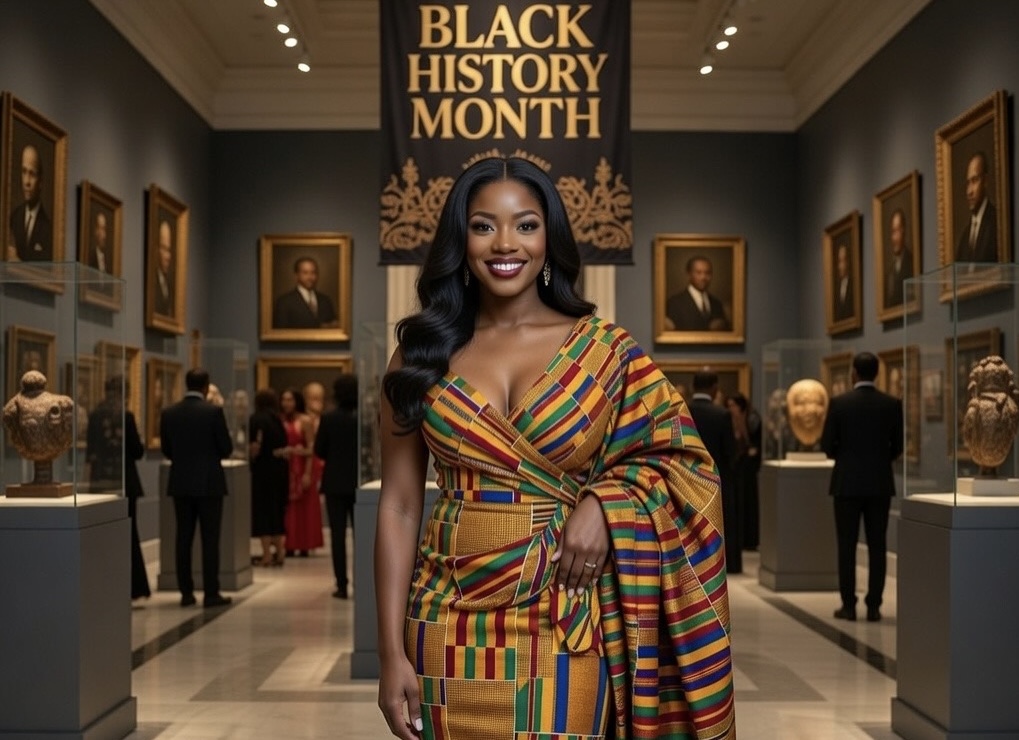
This month-long celebration (February 1–28) offers opportunities to honor Black culture, history, innovation, and community through performances, exhibitions, parades, expos, and family-friendly activities.
Here are some key events to check out (dates, times, and details can vary—always confirm with organizers for the latest info, tickets, or weather-related changes):
Black History Month Events in And Around Atlanta
- Black History Month at the Children’s Museum of Atlanta (CMOA)
Throughout February (February 1–28)
Family-friendly hands-on activities, exhibits, and programming spotlighting African American leaders in science, art, innovation, and trailblazers. Perfect for kids and all ages.
Location: Children’s Museum of Atlanta, Downtown Atlanta. - Alvin Ailey American Dance Theater
February 11–15
The world-renowned company returns to The Fox Theatre with powerful performances celebrating Black dance and culture.
Location: Fox Theatre, Midtown Atlanta. - 2026 Atlanta Black Expo
February 20–22
Dubbed “The Black Business Superbowl,” this major marketplace features vendors, entrepreneurs, networking, and celebrations of Black-owned businesses.
Location: Georgia World Congress Center, Downtown Atlanta. - Atlanta Black History 365 & Civil Rights Experience Tour
Various dates throughout February (including highlighted tours around February 8)
Curated journeys through Atlanta’s historic sites, focusing on civil rights history and ongoing legacy in the “birthplace of the Civil Rights Movement.”
Location: Starts in key historic areas like Auburn Avenue. - East Lake Family Y Black History Month Parade
Saturday, February 7 (starting at 12:00 PM)
A vibrant community parade hosted by East Lake YMCA and Drew Charter School, featuring marching, music, and neighborhood celebration.
Location: Eva Davis Way, East Lake area, Atlanta. - Heroes in the Making: Figure Exhibit and Workshop
Saturday, February 7
Interactive exhibit and workshop focused on Black figures and creativity (part of broader programming from groups like West Atlanta Watershed Alliance).
Location: Check Eventbrite or local listings for exact venue. - Stories in Stitches: A Quilting Skillshare
Saturday, February 14
Community quilting event exploring storytelling through textile arts, tied to Black history themes.
Location: Associated with West Atlanta Watershed Alliance events. - National Center for Civil and Human Rights Special Programming
Throughout February
Ongoing exhibitions, family Saturdays (10 AM–4 PM) with interactive activities, storytelling, and reflections on Black history and civil rights.
Location: National Center for Civil and Human Rights, Centennial Olympic Park area. - College Park Black History Month Program
Saturday, February 21
Annual celebration with cultural elements, hosted by the City of College Park and Cultural Arts Council.
Location: College Park area. - DeKalb County Public Library Black History Month Programs
Various dates throughout February
Over 20 events including historical presentations, exhibits (like “250 Years of African American History”), crafts, films, and conversations.
Multiple library branches in DeKalb County.
Other ongoing ways to celebrate include visiting the National Center for Civil and Human Rights exhibits year-round, exploring the Auburn Avenue Historic District, or catching special showings and talks at venues like the Atlanta History Center.
Atlanta’s rich heritage makes it one of the best places in the country to observe Black History Month—get out there and support these community-driven events! If you’re organizing or know of more, drop them in the comments or send tips our way. Happy Black History Month, Atlanta!
- Black History Month at the Children’s Museum of Atlanta (CMOA)
-

Are you ready to horse around in Atlanta?
The Atlanta Saddle Club Association (ASCA) is set to host its inaugural Black Cowboy Heritage Festival on Saturday, February 28, 2026, bringing a vibrant celebration of African American cowboy history, culture, and community to the metro Atlanta area.
This festival is one of the best festivals in Atlanta and takes place at the end of February.
Black Cowboy Heritage Festival: What To Know
The free, family-friendly, one-day event will take place at JD’s Horse Ranch, located at 7555 Jones Road in Fairburn, GA 30213. Doors open at 11:00 AM, with activities running through the afternoon.
The festival aligns with Black History Month, shining a spotlight on the often-overlooked contributions of Black cowboys to American history—from their roles in the cattle drives of the Old West to modern equestrian traditions that continue today.
“Black cowboys have played a vital role in American history, yet their contributions often go untold,” said ASCA President Jadon Relaford. “This festival is a celebration of heritage, community, and the next generation of riders.”
The Atlanta Saddle Club Association, which connects horse enthusiasts across metro Atlanta and beyond for rides, fellowship, and growth as equestrians, is organizing the event in partnership with JD’s Horse Ranch.
The ranch, a popular spot for horseback riding lessons, trail rides, and community gatherings in Fairburn, provides an ideal setting for hands-on experiences with horses.
Attendees can look forward to a full lineup of engaging activities, including:
- Horse care demonstrations, riding lessons, and rodeo-style showcases
- Crafts and educational stations designed especially for youth
- Vendors offering goods and food trucks serving up delicious eats
- Opportunities to connect with the local equestrian community and learn about Black cowboy legacy
The event is open to the public and media, with no admission fee, making it accessible for families, history buffs, and anyone interested in experiencing this dynamic aspect of Black culture in the South.
For media inquiries or more details, contact Mary Anne Ward at info@atlantasaddleclub.com or (206) 556-0394.
This inaugural festival marks an exciting new tradition for ASCA, building on the organization’s commitment to promoting healthy horsemanship and positive exposure to the sport.
As Relaford and the team emphasize, it’s about inspiring the next generation while honoring the strength, legacy, and culture of Black cowboys and cowgirls.
Final Word
Want more? Read our guide on where to ride horses in Atlanta.
Mark your calendars for February 28—saddle up and join the celebration in Fairburn! For updates, follow the Atlanta Saddle Club Association on social media or visit their website.
Here are more articles from AtlantaFi.com:
-

The footage captures a man on day 127 of “car living,” surveying a dimly lit parking lot in Atlanta’s outskirts. “Atlanta and outskirts is crazy,” he narrates, estimating that around 50 vehicles in the lot alone are serving as makeshift homes for people unable to afford traditional housing.
Parking Lots as Homes: A Glimpse into Atlanta’s Growing Homelessness Crisis
“I imagine the whole country’s like this, but it’s more people in higher populated areas,” he adds, panning across rows of parked cars under the glow of streetlights. Here’s the video:
This personal account underscores a broader crisis in the metro area, where skyrocketing rents and limited affordable housing options are pushing more individuals and families into precarious living situations.
The video, which has garnered over half a million views, shows the man driving through the lot at night, pointing out vehicles with covered windows and occupants “posted up” for the evening.
It’s a scene that’s becoming all too common in Atlanta, where parking lots at shopping centers, fast-food restaurants, and industrial areas are quietly transforming into unofficial overnight shelters.
Inside Atlanta’s Unhoused Situation
Atlanta’s homelessness has been on a troubling upward trajectory in recent years. According to the 2025 Point-in-Time (PIT) Count conducted by Partners for HOME, the city recorded 2,894 individuals experiencing homelessness, marking a 1% increase from the previous year.
This follows sharper rises of 7% in 2024 and 33% in 2023.
While chronic homelessness saw a 9% decline and veteran homelessness dropped by 3%, family homelessness surged by 14%, affecting roughly 400 more people than in prior counts.
Particularly alarming is the rise of the “working homeless” – individuals who hold jobs but still can’t secure stable housing due to high costs.
That situation describes that of June Williams of Cumming, Georgia.
Williams works in Atlanta but lives — in her car — in Cumming. “I lost my apartment last year after a layoff,” she said. “I’m just doing what I got to do for now,” she said.
She showers at a local LA Fitness and is hoping for a better paying job in the near future.
Data from 2025 indicates that only about 4% of Atlanta’s homeless population reported having both employment and benefits, but local advocates estimate the true figure of working homeless could be as high as 50%.
Many of these residents are employed full- or part-time, yet face rents averaging over $2,000 per month in the city, making traditional apartments unattainable.
In metro Atlanta, an additional 4,600 people are living full-time in extended-stay hotels, with families often spending up to 77% of their income on these temporary accommodations.
The video’s creator, who documents his ongoing experience of vehicle-dwelling, highlights how these parking lot communities form out of necessity.
“There’s literally got to be 50 cars up here, and you can tell we all posted up,” he says, emphasizing the shared struggle in a city where the cost of living continues to outpace wages for many.
This phenomenon isn’t isolated; reports from organizations like Atlanta Mission note that around 2,000 people sleep on the streets nightly in Atlanta, with vehicle living becoming a hidden but growing subset of unsheltered homelessness.
City officials have responded with initiatives like the Atlanta Rising program, aiming to house 400 individuals by the end of 2025, and allocating $60 million in 2024 to combat the issue.
However, advocates argue more is needed, including expanded affordable housing development and stronger social safety nets to address root causes like evictions, rental scams, and economic inequality.As Atlanta prepares for the World Cup, stories like the one in this video serve as a poignant reminder of the human cost behind the statistics. For many, parking lots aren’t just a stopover – they’re the new reality of home.
Interested in other ways to save or make money? Check out our Money Section:
More Articles Like This From AtlantaFi.com:
-
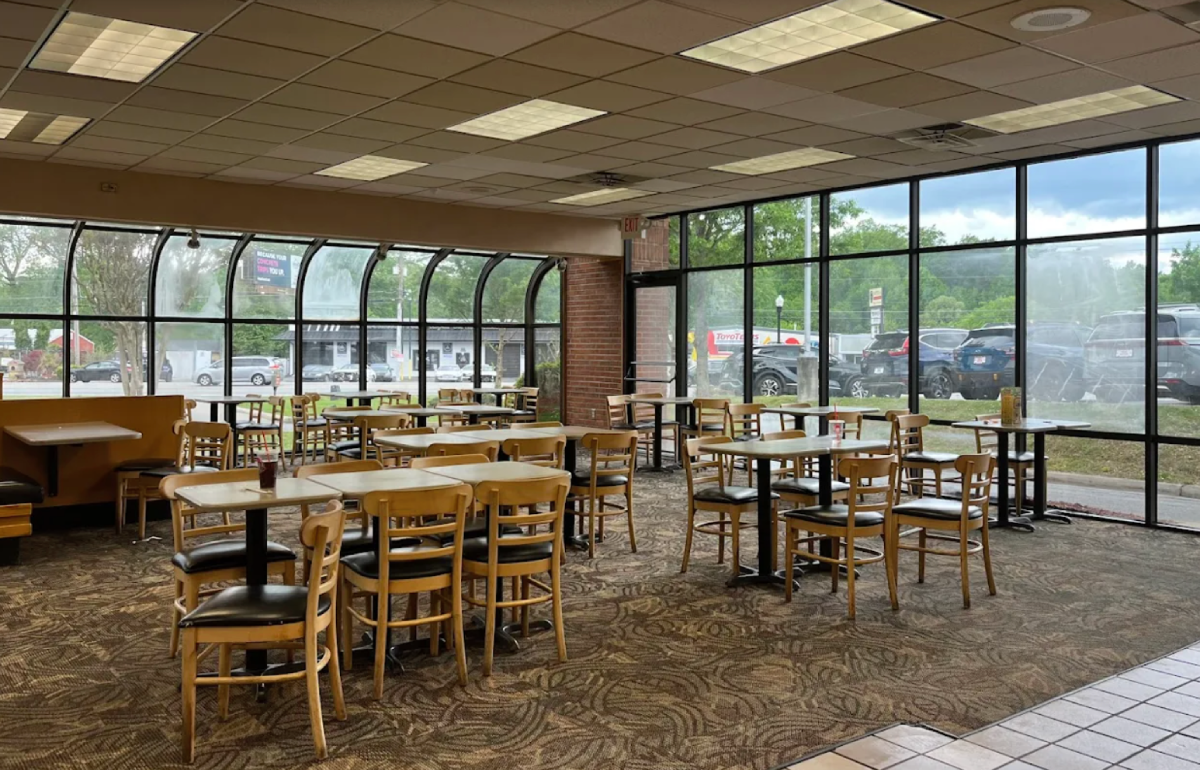
Fast-food giant Wendy’s revealed this week that it plans to close between 298 and 358 underperforming restaurants across the United States during the first half of 2026.
The move represents approximately 5% to 6% of the chain’s domestic footprint and is part of a broader turnaround strategy amid ongoing sales challenges.
Wendy’s Closing Hundreds of Stores
The Dublin, Ohio-based company, which ended 2025 with 5,969 U.S. locations, disclosed the details in its fourth-quarter and full-year 2025 earnings report released on Friday.
This round of closures builds on previous efforts, including 240 restaurant shutdowns in 2024 and an additional 28 locations closed in the final quarter of last year.
Interim CEO Ken Cook emphasized that the decisions were made in collaboration with franchisees to eliminate “consistently underperforming restaurants” — often older, outdated facilities that drag on profitability
By streamlining its portfolio, Wendy’s aims to allow operators to concentrate resources on higher-potential sites and drive long-term growth.
The closures come after a difficult period for the chain’s U.S. operations. In the fourth quarter of 2025, same-restaurant sales (a key metric tracking locations open at least one year) dropped 11.3% domestically — the chain’s worst performance in at least two decades.
Overall U.S. systemwide sales declined significantly, reflecting broader pressures in the fast-food industry, including competition from value-focused promotions at rivals and economic strain on lower-income consumers.
While Wendy’s has not yet released a specific list of closing locations, the targeted sites are expected to include older units in various markets nationwide
Atlanta metro area residents may see some local impacts, given Georgia’s substantial number of Wendy’s outlets and the chain’s focus on removing less profitable, aging stores from high-density urban and suburban areas.
Despite the setbacks, company leadership remains optimistic about recovery. Wendy’s highlighted ongoing value initiatives like its popular Biggie Deals menu to attract budget-conscious customers. The chain also plans selective new openings in stronger markets while modernizing remaining locations to better compete.
For Atlanta-area customers, the news serves as a reminder of the evolving fast-food landscape, where chains are increasingly prioritizing efficiency and profitability over sheer expansion.
Wendy’s fans are encouraged to check their local spots for any service changes in the coming months, though no immediate widespread disruptions are anticipated beyond individual closures.
As the first half of 2026 unfolds, Atlanta Business Journal will continue monitoring updates on specific Georgia locations affected by Wendy’s restructuring plan. Company officials have indicated that more details on individual sites may emerge as the process advances.
More from AtlantaFi.com:
-

The past 125 years—from the dawn of the 1900s to the present day in 2025—represent a period of profound change for Georgia.
Emerging from the shadows of Reconstruction and Jim Crow, the state navigated racial upheaval, economic booms, global spotlights, and political realignments.
5 Most Significant Moments in Georgia’s History
At the urging of fellow scholars, I’ve revised my selection to incorporate the creation of the Federal Reserve in 1914, a landmark event with deep Georgia roots that reshaped national finance
What follows are the five most significant historical events (with one honorable expansion) that redefined Georgia, selected for their lasting impact on its society, economy, and identity.
1. The Atlanta Race Riot of 1906: Igniting Racial Tensions in the New South

In the sweltering heat of September 1906, Atlanta erupted in violence that exposed the fragility of the “New South” ideal promoted by figures like Henry W. Grady.
False newspaper reports of Black assaults on white women fueled mobs of white residents, who rampaged through Black neighborhoods for days.
At least 25 Black Georgians were killed, hundreds injured, and property destroyed, forcing thousands to flee the city.
This riot marked a grim pinnacle of early 20th-century racial terror, accelerating the Great Migration of Black Southerners northward and hardening Jim Crow segregation.
It underscored Georgia’s role in the national struggle for racial justice, setting the stage for future civil rights battles.
Most historians view the riot as the dark underbelly of Georgia’s push toward industrialization—progress built on exclusion.
Read about the Atlanta Race Massacre.
2. The Creation of the Federal Reserve in 1914: A Blueprint for Banking

Photo credit: Playhouse Media In November 1910, a secretive meeting unfolded on Georgia’s Jekyll Island, hosted by the exclusive Jekyll Island Club.
U.S. Senator Nelson Aldrich of Rhode Island, alongside bankers like J.P. Morgan representatives Paul Warburg and Frank Vanderlip, drafted the blueprint for a central banking system amid the club’s opulent hunting lodges and oceanfront cottages.
This “Duck Hunt” gathering addressed the Panic of 1907’s bank runs, proposing a national reserve to stabilize currency and credit.
The resulting Aldrich Plan evolved into the Federal Reserve Act, signed by President Woodrow Wilson on December 23, 1913, and operational by 1914.
Georgia’s secluded shores thus birthed the Fed, which has governed U.S. monetary policy for over a century—managing inflation, employment, and crises like the Great Depression and 2008 recession.
For Georgia, it elevated Atlanta as a Federal Reserve Branch hub in 1914, boosting the city’s financial stature and attracting institutions that fueled its growth into a banking powerhouse.
Want to take a deep dive? Check out how the Federal Reserve was created.
3. The Boll Weevil Devastation and the Agricultural Collapse of the 1920s

Georgia’s economy in the early 1900s was tethered to cotton, the “king” that employed much of the rural population. Then came the boll weevil, a tiny beetle that invaded from Mexico in 1915 and ravaged crops by the 1920s.
By 1921, infestations wiped out up to 50% of yields in some counties, plunging farmers into debt and triggering mass foreclosures.
Sharecroppers, both Black and white, faced starvation, leading to urban migration and the diversification of agriculture into peanuts, pecans, and poultry.
This crisis hastened the end of the plantation system and spurred New Deal reforms under Franklin D. Roosevelt, who drew inspiration from Georgia’s Warm Springs.
In my research, the boll weevil symbolizes nature’s role in dismantling an outdated economy, paving the way for Georgia’s mid-century industrialization.
4. The Civil Rights Movement and Atlanta’s Role as a Beacon (1950s–1960s)

Georgia stood at the epicenter of America’s moral reckoning with segregation. Atlanta native Martin Luther King Jr. led the Montgomery Bus Boycott in 1955–1956, then returned home to co-found the Southern Christian Leadership Conference (SCLC) in 1957.
Not only did he marry the elegant Coretta Scott King, but King Jr. added fuel to the civil rights movement by inspiring lunch counter sit-ins (1960), the Albany Movement (1961–1962), and the March on Washington (1963)—where King delivered “I Have a Dream”—drew global attention.
Atlanta’s pragmatic leaders, under Mayor William B. Hartsfield, adopted the slogan “the city too busy to hate” to avoid the violence plaguing Birmingham.
Read up on some key facts about MLK you might not know.
The movement culminated in the Civil Rights Act of 1964 and Voting Rights Act of 1965, dismantling legal Jim Crow.
As an early 1900s specialist, I see this as the fulfillment—and rejection—of the disenfranchisement my era entrenched in 1908. It transformed Georgia from a bastion of white supremacy to a hub of Black political power.
5. The 1996 Atlanta Olympics: Catapulting Georgia onto the World Stage

On July 19, 1996, Atlanta hosted the Centennial Olympic Games, the largest in history with 197 nations participating.
Over 2 million visitors flooded the city, generating $5 billion in economic impact and showcasing Georgia’s modernity through venues like Centennial Olympic Park.
Tragically, a bombing by domestic terrorist Eric Rudolph killed two and injured over 100, testing the state’s resilience.
The Games boosted infrastructure—expanding Hartsfield Airport (now the world’s busiest) and MARTA transit—and rebranded Atlanta as an international metropolis.
In the late 20th century, this event symbolized Georgia’s Sunbelt rise, attracting corporations like CNN and Coca-Cola headquarters. It marked the state’s transition from agrarian roots to global player.
These five events weave a narrative of resilience: from racial violence and financial innovation to economic ruin, triumphant activism, and global prestige.
The Jekyll Island meeting, in particular, highlights Georgia’s behind-the-scenes influence on national institutions.
Final Word
Georgia today is a diverse, booming state of 11 million, yet echoes of the early 1900s—disenfranchisement, agricultural shifts, and monetary reforms—linger in its challenges.
Many figures helped shape Georgia’s history and the world we live in right now. What they didn’t tell you about Rosa Parks.
As journalists, we document not just facts, but the human stories that propel change. The Peach State’s past 125 years remind us that history is not static; it is the foundation for tomorrow.