
Troubled premium whiskey brand Uncle Nearest will stay under court-appointed receivership for at least another month following a lengthy federal court hearing.
The Nearest Green Distillery, home of the Uncle Nearest whiskey brand in Tennessee, has been managed by a court-appointed receiver since last fall.
Uncle Nearest Hearing: Judge Sets Briefing Schedule
On February 9, 2026, U.S. District Judge Charles E. Atchley Jr. heard five hours of testimony in the ongoing dispute between Uncle Nearest founder Fawn Weaver, her husband Keith Weaver, Kentucky-based lender Farm Credit, and receiver Phillip Young.
Atchley admonished Fawn Weaver early in her testimony, instructing her not to address the court directly. He told her to wait for questions and respond only through her counsel.
In a ruling issued February 10, Judge Atchley extended deadlines for supplemental briefs: all parties have until February 26, 2026, to file additional arguments supporting either termination of the receivership or its expansion to cover more entities controlled by the Weavers. Responses are then due by March 5, 2026.
The judge stressed that the current status quo remains in place. He wrote: “Finally, and as noted at the February 9th hearing, the status quo shall remain unchanged until such time as the Court rules on the Motion to Reconsider and the Motion for Clarification.
In other words (and for the avoidance of any doubt), the Receiver continues to possess all the powers granted to him … and the receivership retains its original scope.”
He instructed the parties to limit new filings to evidence presented at the February 9 hearing, avoiding reargument of earlier points.
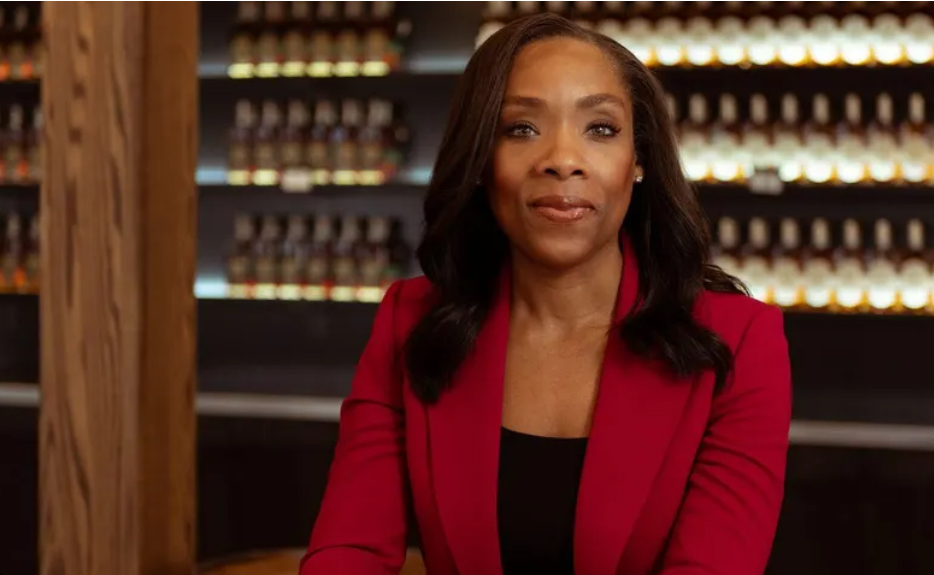
Fawn Weaver sought to regain full control of the company she founded.
Weaver, as the final witness for Uncle Nearest, testified in support of ending the receivership. She argued the company could pay its bills, highlighted its asset value (over $500 million per her claims), and pushed back against insolvency allegations, attributing issues to prior mismanagement or other factors.
Uncle Nearest has operated under receivership since late last year, and recently unsealed court documents have indicated the brand is insolvent.
Farm Credit initiated legal action against the Weavers after Uncle Nearest defaulted on loans exceeding $100 million.
While Weaver contended that the company remains current on obligations and that its assets exceed $500 million in value, filings from the lender and the receiver strongly contested those claims.
Receiver Phillip Young, who also testified, has previously asked the court to broaden the receivership’s scope. His review of the company’s finances reportedly revealed significant commingling of assets between Uncle Nearest and other businesses controlled by the Weavers.
Key witnesses at the February 9 hearing
The hearing centered primarily on the Weavers’ motion to terminate the receivership due to time limitations, with the receiver’s request for clarification (regarding expansion) to be addressed through post-hearing briefs.
Testimony and evidence came from:
- Receiver Phillip Young (who testified first; his affidavit was admitted)
- Katharine Jerkens, Chief Business Officer of Uncle Nearest
- Daniel Romano, Romano Beverage
- Anthony Severini, Genesis Global (Uncle Nearest’s payroll provider)
- David M. Ozgo, former chief economist at the Distilled Spirits Council of the United States (added to the witness list late)
- Kevin Larin, Riveron (consulting firm retained by Farm Credit; his declaration stating insolvency was admitted)
- Fawn Weaver
Other admitted materials included various documents and a February 2025 restructuring analysis prepared by Keystone Group in collaboration with Farm Credit.
The case continues to highlight financial pressures facing the fast-growing but now troubled Uncle Nearest brand, which rose to prominence celebrating the legacy of Nearest Green, the formerly enslaved man widely recognized as teaching Jack Daniel the art of distilling.