-

A group of investors is making a significant play to help rescue Uncle Nearest Premium Whiskey, the Tennessee-based brand that’s been struggling under court-appointed receivership since fall 2025.
The brand—named in honor of Nathan “Nearest” Green, the formerly enslaved master distiller credited with teaching Jack Daniel the craft—has faced mounting challenges after lender Farm Credit Mid-America lost confidence in the company’s ability to repay a massive $108 million loan.
That led to receivership, sales declines, distributors pulling back, and bottles disappearing from shelves and bar menus in markets including Atlanta.
Founders Fawn Weaver (the majority shareholder and driving force behind the brand) and Keith Weaver have been fighting to regain control.
They’ve filed a civil lawsuit against former CFO Michael Senzaki, accusing him of fraud, forged stock transfers, and diverting funds—issues they say contributed to the financial instability.
Now, an investor group called NextGen2780 is seeking to purchase the $108 million loan outright from Farm Credit Mid-America.
Their goal: accelerate a potential sale of the company and prevent further damage during what they describe as a prolonged and uncertain receivership process.
Walter Miles, representing NextGen2780, emphasized the risks of delay: “We respectfully note our concern that the extended duration of the receivership proceedings may be contributing to a gradual diminution of enterprise value.
Prolonged uncertainty can adversely affect brand equity, distributor and vendor relationships, employee retention, and overall market positioning.” The group argues the move could help preserve value for creditors and stakeholders while addressing the ongoing erosion.
Uncle Nearest remains the second-largest Tennessee whiskey brand after Jack Daniel’s (as of recent figures), with award-winning expressions and a devoted following.
Here in Atlanta, the brand has built a solid presence—stocked at spots like Total Wine & More, Green’s Beverages, and many independent liquor stores and cocktail bars. Weaver held bottle signings in Atlanta late last year.
Local fans have also connected with the brand’s story through events like Fawn Weaver’s book tour stops and tastings highlighting Nearest Green’s legacy.
The Weavers have opposed a forced sale, arguing it could undervalue the company amid broader industry headwinds like oversupply and softening demand.
The receivership process continues in Tennessee courts, with potential asset sales or refinancing eyed for early 2026.
For now, Atlanta whiskey drinkers shouldn’t see major immediate disruptions to availability, though the uncertainty could influence future distribution and pricing. We’ll continue tracking developments on this high-profile Southern spirits story.
-
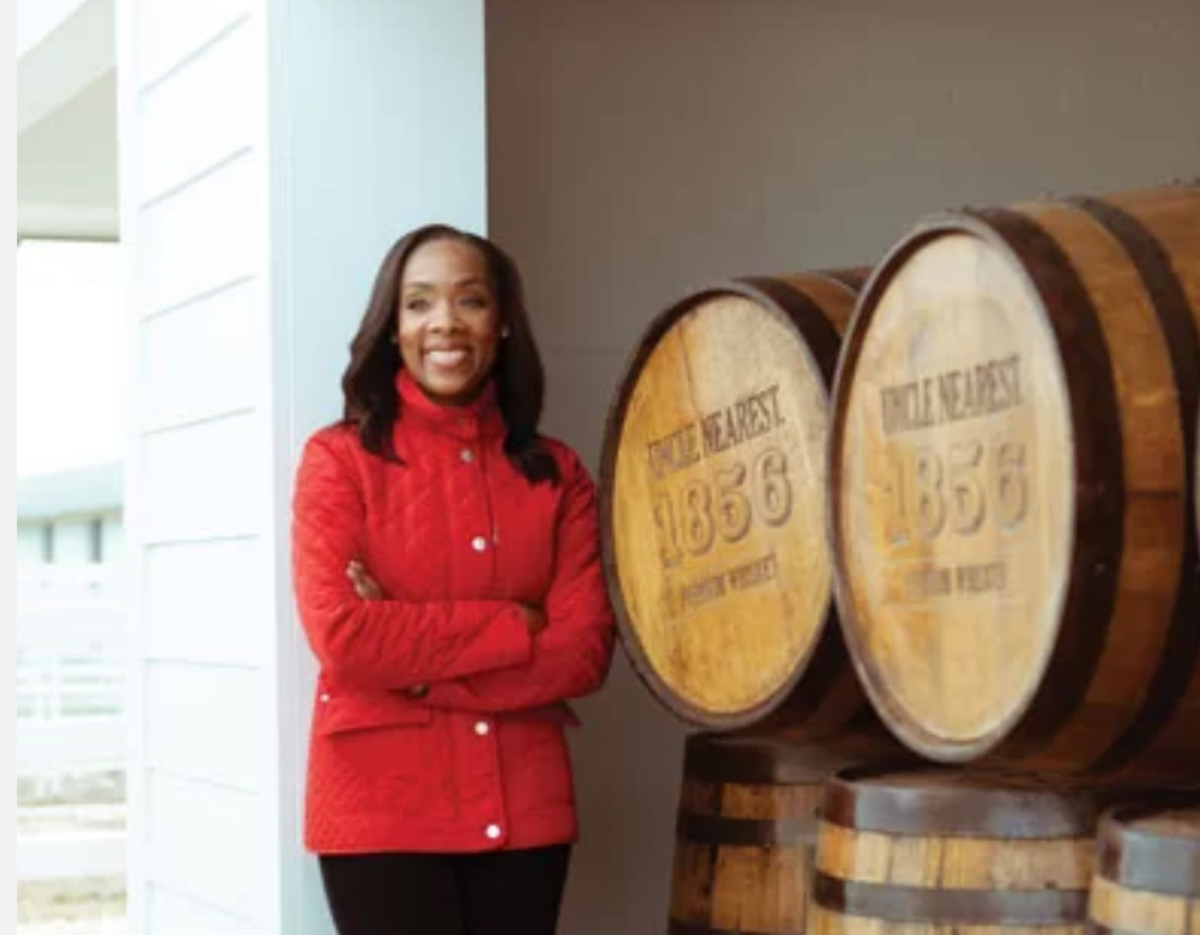
In a dramatic turn for one of the spirits industry’s most celebrated success stories, Uncle Nearest Premium Whiskey—the Black- and woman-owned brand that skyrocketed to become America’s second-best-selling Tennessee whiskey—is preparing to offload key non-core assets as part of a court-mandated receivership.
The move, detailed in recent court filings, comes amid ongoing financial restructuring efforts and fresh allegations from founder Fawn Weaver of a targeted “smear campaign” by the company’s lender.
New Troubles Rock Uncle Nearest Brand
For consumers, the news signals potential changes to the brand’s ambitious expansions but reassurance that its flagship whiskeys will remain on shelves.
A Rapid Rise Meets Financial HeadwindsLaunched in 2017 by author and entrepreneur Fawn Weaver, Uncle Nearest honors Nathan “Nearest” Green, the formerly enslaved master distiller who taught Jack Daniel the art of whiskey-making in the late 1800s.
The brand’s story of reclaiming Black contributions to American distilling resonated deeply, propelling it from a niche player to a powerhouse with multiple awards, including “Whiskey of the Year” nods from Whisky Advocate and Robb Report.
Despite a post-pandemic slump in overall alcohol sales, Uncle Nearest reported robust growth, expanding beyond whiskey into vodka and cognac while amassing real estate holdings like a Tennessee farm and a French chateau.
But beneath the accolades lay mounting pressures.
Allegations of Mismanagement
In July 2025, lender Farm Credit Mid-America filed a lawsuit in U.S. District Court for the Eastern District of Tennessee, accusing the company of defaulting on over $108 million in loans.
The complaint alleged misuse of funds, including a $2 million purchase of a Martha’s Vineyard estate in 2023, and the sale of discounted futures contracts.
By August 22, a federal judge placed Uncle Nearest into receivership, appointing Phillip G. Young Jr. to oversee operations and safeguard assets.
Young’s initial report, filed October 1, painted a cautiously optimistic picture: No evidence of financial impropriety by Weaver, her husband Keith, or current management was found, and a 13-week budget showed revenues sufficient to cover operating costs—minus $2.5 million in one-time fees covered by short-term lender funding.
Affects on the Atlanta Market
With non-core assets like the Cognac venture and vodka line on the auction block, how might this financial turbulence touch down in the Peach State?
Here’s a breakdown of the likely effects on Atlanta consumers, retailers, and the local market.
Steady Supply, But Watch for Pricing Tweaks
The good news for Atlanta imbibers: Uncle Nearest’s flagship whiskeys—think the bold 100-proof expression or the barrel-strength 1856—aren’t going anywhere soon.
The receiver’s October report emphasizes the core business’s “long-term viability,” with barrel inventories verified and distribution partnerships intact, including with major Georgia players like Total Wine & More, where bottles fly off shelves at competitive prices.
Atlanta’s robust network of liquor stores, bars, and restaurants (over 250 retail spots stock similar premium whiskeys) should see no immediate shortages, as the restructuring focuses on shedding peripheral holdings rather than disrupting production at the Shelbyville, Tennessee distillery.
That said, asset sales could indirectly nudge pricing.
Liquidating the French Cognac estate and Square One vodka might generate quick cash—potentially $15-25 million from the Cognac alone—to stabilize operations, but it could also mean tighter marketing budgets.
In a market like Atlanta, where premium spirits prices have held steady post-pandemic (Georgia’s overall alcohol sales rebounded 8% in 2024 per state data), a 5-10% uptick isn’t out of the question if operational efficiencies lag.
Local fans grabbing a bottle at Midtown’s Highland Package or Buckhead’s Eagle Wine & Spirits might notice subtle shifts by early 2026.
To date, the receiver has trimmed the workforce by 13% (12 employees), repaired ties with Farm Credit, and verified barrel inventories with partner Tennessee Distilling Group.
Asset Sales on the Horizon: Cognac, Vodka, and Beyond
Central to the restructuring is a strategic divestiture of “non-income-producing” assets, aimed at injecting cash without gutting the core business. High on the list: the nascent Cognac venture.
Uncle Nearest acquired Domaine Saint Martin—a historic vineyard and estate in Cognac, France—in 2023, with plans to debut a premium Cognac line in 2024.
But with launch costs estimated at $15-25 million and the company cash-strapped, the receiver recommends liquidation. One formal offer and two inquiries are already in play, with a court motion for sale expected soon.
Other targets include the vodka arm, Square One Organic Spirits (snapped up in May 2024), and real estate parcels such as the controversial Martha’s Vineyard property, a Bedford County, Tennessee, holding, and additional French assets tied to the chateau.
“A fire sale is not anticipated,” Young’s report noted, emphasizing that these moves could pave the way for a swift exit from receivership by Q1 2026.
Chapter 11 bankruptcy remains a tool in the toolkit for reorganization, but liquidation under Chapter 7 is off the table.
The receiver stressed the brand’s “long-term viability” as a going concern, with its whiskey lineup—anchored by the 100-proof flagship and barrel-proof expressions—proving resilient even in tough markets.
Weaver Fires Back: ‘Smear Campaign’ Allegations Rock the Narrative
The plot thickened today at the Inc. 5000 Conference in Phoenix, where Weaver took the stage for a fireside chat titled “Reclaiming Your Company in Turbulent Times.”
In a candid address, the CEO accused Farm Credit of orchestrating a reputational hit job, spotlighting the Martha’s Vineyard estate as a ploy to sway the Tennessee judge.
“Their hope was that the judge would see it, would accept the smear, and would turn over keys of my company to them,” Weaver declared, dismissing the property as anything but a vacation retreat and highlighting her California roots.
Weaver and Uncle Nearest have countered in court filings that the lender overlooked key context, failed to secure liens on seven of eight collateral properties (including Martha’s Vineyard), and even praised the acquisition during a 2023 visit by Farm Credit execs—complete with a company Gospel Brunch.
She alleged fraud by a former CFO and vowed to submit more evidence, adding, “I still have not filed anything.”
The Weavers have recused themselves from day-to-day management during receivership but remain vocal advocates for the brand’s mission.
What This Means for Consumers: Stability for Whiskey Lovers, Uncertainty for Expansions
For the everyday imbiber, the immediate outlook is steady: Uncle Nearest’s core Tennessee whiskeys, distilled in partnership with Uncle Nearest’s Distillery in Shelbyville and aged to perfection, face no existential threat.
The brand’s distribution remains intact, with bottles available nationwide and online, and its cultural cachet—fueled by collaborations like the Jack Daniel’s diversity push—intact.
“The odds are very good for the company to successfully emerge,” the receiver affirmed, signaling no supply disruptions on the horizon.That said, fans of Uncle Nearest’s bolder forays may feel the pinch.
The Cognac and vodka lines, still in early stages, could change hands, potentially altering branding, availability, or quality under new ownership. Real estate sales might indirectly fund innovations, but they underscore the brand’s pivot back to its whiskey roots amid a cooling premium spirits market.
As Weaver put it in Phoenix: “Every entrepreneur is going to have a moment… The only difference between those who have been the most successful… and those who have failed are those who gave up in the in between.”
For Uncle Nearest, this chapter tests that resilience—and for consumers, it’s a reminder that even the spirits world’s rising stars aren’t immune to turbulence.
Stay tuned as bids roll in and court dates loom; the nearest pour might just taste a little different.
More From AtlantaFi.com: