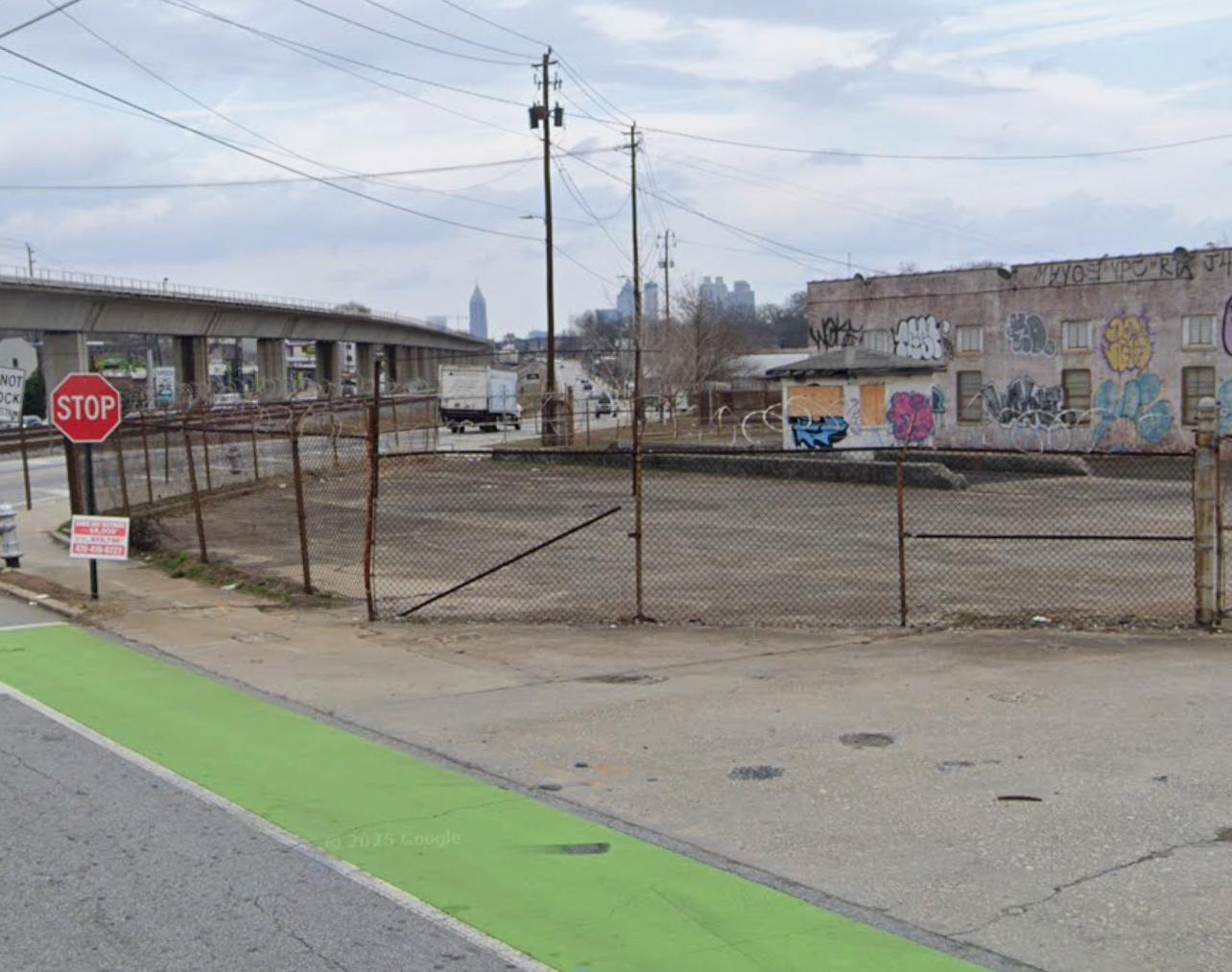

Sonia Williams loves what’s happening in her neighborhood these days. The Sylvan Hills resident can’t wait for all the dust to clear at the corner of Murphy Avenue and Sylvan Road in southwest Atlanta.
”They’re starting to clean up all the vacant lots,” the Delta Air Lines employee said. “And when they enclose the lots in fences, that’s the look of progress.”
The ambitious Murphy Crossing redevelopment project is set to transform a 20-acre site in Atlanta’s Oakland City neighborhood into a vibrant mixed-use destination, with plans calling for approximately 625 new residential units.
Located at 1050 Murphy Avenue, the BeltLine-owned property sits adjacent to the Westside Trail and holds potential as a future MARTA infill station site.
It lies near ongoing revitalization efforts, including the nearby Oakland Exchange project, which is converting historic warehouses across Sylvan Road into affordable housing and commercial space.
The Atlanta BeltLine, Inc. is leading the effort as master planner and co-developer following the termination of a prior development agreement with Culdesac Inc. and Urban Oasis in early 2025.
The organization now plans to issue phased requests for proposals (RFPs) to select development partners.
Key elements of the proposed buildout, spread across five phases, include:
- A blend of apartments and townhomes totaling roughly 625 units (specific affordable vs. market-rate breakdowns will likely emerge in future RFPs, with expectations for some affordable and for-sale commitments).
- Around 82,000 square feet of commercial space.
- Approximately 70,000 square feet dedicated to retail.
- Roughly 103,000 square feet of light-industrial uses, which could range from makers spaces and barbershops to veterinarian clinics.
- Preservation of existing historic warehouses as an integral part of the design.
- A total of 1,711 parking spaces, including 786 allocated for non-residential uses.
The project is currently in the entitlement phase. Pre-development milestones have been completed, and community engagement continues.
A Development of Regional Impact (DRI) review and City of Atlanta rezoning application are expected to wrap up in winter or early spring 2026. Horizontal site work and land-disturbance permitting are targeted for fall/winter 2026, with Phase 1 RFP releases on the horizon.
Andrea Foard, the BeltLine’s senior development manager, emphasized a phased approach: “We’re not going to develop this all at one time.”
Ryan Snodgrass, a senior urban designer at Perkins & Will, highlighted the flexibility of the light-industrial component, noting it could accommodate diverse small-scale businesses.
As planning advances through 2026, local residents and advocates are expected to advocate strongly for firm commitments around affordable housing levels, support for neighborhood-serving retail, job creation, and other community benefits during ongoing engagement sessions.
The site is viewed as a major catalyst for growth in southwest Atlanta, leveraging its BeltLine proximity and transit potential to drive economic activity while balancing historic preservation and new density.
Downtown Atlanta’s development landscape has undergone significant transformation in recent years, driven by large-scale mixed-use projects, infrastructure upgrades, and a focus on revitalizing the city’s historic core. These changes reflect a broader effort to make Downtown more vibrant, walkable, and economically robust, particularly in preparation for events like the 2026 FIFA World Cup.
More Content From AtlantaFi.com: