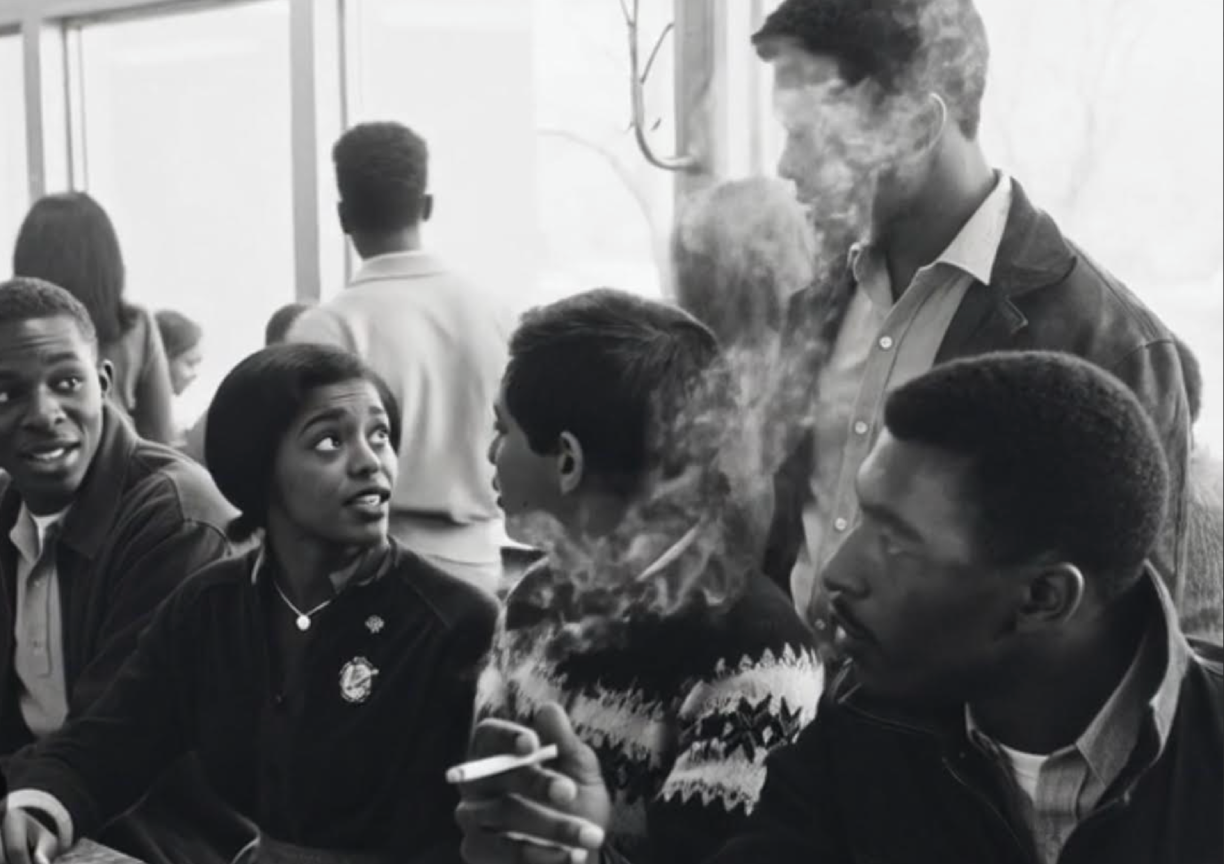

Atlanta has long been recognized as a cradle of the Civil Rights Movement, home to icons like Dr. Martin Luther King Jr. and pivotal organizations such as the Southern Christian Leadership Conference.
But beneath the well-known narratives lie lesser-explored stories of resistance, innovation, and alliance that shaped the city’s—and the nation’s—path toward equality.
Atlanta’s Civil Rights History: What To Know
We’ve delved into archives and accounts to uncover these hidden gems.
Here are seven surprising facts that highlight Atlanta’s multifaceted role.
Atlanta’s Civil Rights Roots Trace Back to the 1880s, Not Just the 1950s

While the post-World War II era often dominates discussions, Atlanta hosted an earlier civil rights surge from 1880 to 1910.
Black Atlantans employed strategies like collective self-defense, mass rallies against lynchings, and negotiation with white elites—tactics that resurfaced in the modern movement.
Key institutions, including churches and mutual aid societies, supported these efforts, fostering black enterprises like Alonzo Herndon’s barbershops and insurance company, which bolstered economic independence amid rising segregation.
The 1881 Washerwomen’s Strike: A Forgotten Labor Uprising

In July 1881, black washerwomen in Atlanta formed the Washing Society and orchestrated a massive strike involving 3,000 women (including some white allies) demanding higher wages and work autonomy.
Supported by black churches and fraternal groups, this action disrupted the city’s laundry services and highlighted early intersections of labor and racial justice.
Though short-lived, it demonstrated organized black women’s power in challenging economic exploitation during Reconstruction’s aftermath.
The 1906 Race Riot Sparked the NAACP and Influenced Brown v. Board

The Atlanta Race Riot of September 1906, fueled by fabricated stories of assaults and white fears of black progress, resulted in over 40 African American deaths and widespread destruction.
This violence profoundly impacted W.E.B. Du Bois, who armed himself for protection and later co-founded the NAACP in 1909. It also traumatized young Walter White, who rose to NAACP leadership and hired Thurgood Marshall, paving the way for the 1954 Brown v. Board of Education decision that ended school segregation.
Streets Honoring Unsung Heroes of Integration

Atlanta’s map pays tribute to lesser-celebrated figures through renamed streets. John Wesley Dobbs Avenue commemorates the activist who registered over 10,000 black voters in the 1930s, co-founded the Atlanta Negro Voters League, and helped integrate the police force.
Donald Lee Hollowell Parkway honors the lawyer who sued the University of Georgia to admit black students, while Hamilton E. Holmes Drive (and MARTA station) recognizes one of the first two black UGA enrollees, alongside Charlayne Hunter-Gault.
The 1948 Hiring of Atlanta’s First Black Police Officers

Photo credit: Atlanta Police Department
In a groundbreaking move for the South, Mayor William B. Hartsfield approved the hiring of eight black police officers in 1948, desegregating the force amid post-war pressures.
These officers, restricted initially to black neighborhoods, symbolized incremental progress and set a precedent for broader integration in city services, reflecting Atlanta’s self-proclaimed image as “the city too busy to hate.”
Lonnie King’s 1960 Sit-Ins to Sway a Presidential Election

While Dr. King is iconic, his childhood friend Lonnie C. King spearheaded Atlanta’s 1960 student movement, inspired by Greensboro sit-ins.
Lonnie organized protests at lunch counters like Rich’s Department Store, enlisting Martin Luther King Jr. for a pivotal October 19 sit-in that led to arrests.
Aimed at drawing national attention during the Kennedy-Nixon race, these actions influenced black voters and pressured candidates on civil rights, culminating in the desegregation of 75 Atlanta establishments by 1961.
The 1969 Piedmont Park Riot: A Cross-Racial Stand Against Police Brutality

On September 21, 1969, a free concert in Piedmont Park turned chaotic when undercover police clashed with hippies and radicals over drug arrests, sparking a riot with tear gas and projectiles.
This event, rooted in harassment of Atlanta’s counterculture “Strip” community, forged an unlikely alliance with black civil rights leaders like Hosea Williams.
Together, they protested police tactics, filed lawsuits, and highlighted shared grievances, bridging racial divides in the movement’s later years. Read Kenny Wilson’s blog for more.
Final Word
These stories remind us that Atlanta’s civil rights legacy is built on layers of perseverance, from everyday workers to radical youth
Exploring sites like the National Center for Civil and Human Rights or walking these historic streets can bring these facts to life, connecting past struggles to today’s ongoing fight for justice.
More from AtlantaFi.com: