-
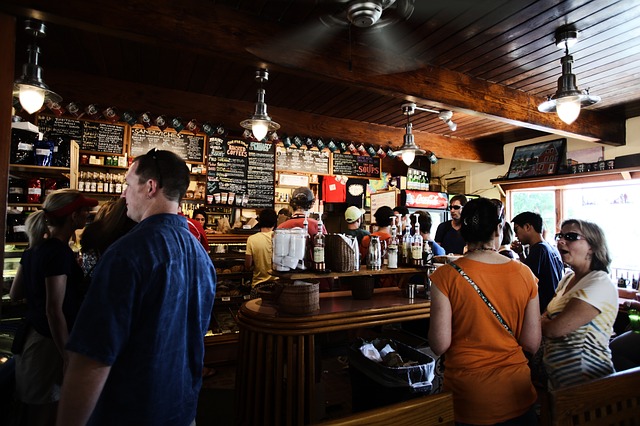
Super Bowl Sunday is all about the Big Game, but the chicken wings, dips and beer are a close second. Of course, you can’t make it to the big game, but you can root hard for the New England Patriots Eagles or Seattle Seahawks at an Atlanta sports bar near you. But which one?
We’re going to show you some of the best Atlanta bars to watch the Super Bowl.
Hungry? Here’s Where To Eat In Atlanta To Watch The Super Bowl
Here are some of the best new Atlanta restaurants to drink some good beer, eat some great food and enjoy the Big Game.
HOBNOB Neighborhood Tavern

(Multiple locations: Town Brookhaven, Dunwoody/Perimeter, Halcyon in Alpharetta, Atlantic Station, and more)
Hosting free Super Bowl watch parties with multiple big screens, game-day vibes, and neighborhood tavern energy. A top chain pick for reliable viewing.Hyatt Centric Buckhead – Spaceman Rooftop Lounge

(Buckhead)
Elevated Super Bowl watch party with big screens, skyline views, signature cocktails, and rooftop energy (doors open early; reservations recommended).Your 3rd Spot

Photo credit: Your 3rd Spot (West Midtown)
Features impressive large screens (like 15-foot ones) and a fun, social setup—highlighted for game-day viewing.Barleygarden Kitchen & Craft

If you’re in the Alpharetta area, there’s no better place to eat some grub and watch some Super Bowl action than at Barleygarden Kitchen & Craft in the Avalon, where the brews are strong and the sense of community is stronger.
Buttermilk Kitchen

Start off your Super Bowl Sunday (or Saturday) with breakfast (or brunch) at Buttermilk Kitchen in Buckhead. Chef Suzanne Vizethann uses sustainable, locally sourced ingredients to give back to the Atlanta community with every bite.
Coalition Food & Beverage

Coalition Food & Beverage at 50 Canton Street, Alpharetta, GA 30004 is going big for the big game by offering $1 wings (diners’ choice of buffalo or Coalition’s famous wood-grilled chili-spiced honey-glazed wings) and $5 draft specials. The special on Sunday, Feb. 3, 2019 runs from 4:30 – 9:30 p.m. EST.
Fox Bros. Bar-B-Q

If you’re going to Mercedes-Benz Stadium for the big game, you’ll want to stop by Fox Bros. Bar-B-Q, an Atlanta staple named the official barbecue of the Atlanta Falcons. If you’re going to watch it on TV, come to Fox Bros. to indulge at their location near Little Five Points.
Table & Main

Whether you’re down to come chow down inside or want to order some wings for the big game, Table & Main in Roswell has what you need. The 1028 Canton St.restaurant will be taking to go orders for a delicious football feast starting January 15 through Friday, February 1. Orders include 50 chicken wings, served your choice of style (BBQ, Mild, Hot, or Southern Fried), veggie sticks with creamy bleu cheese, and 10 homemade chocolate chip cookies. Orders will be $50 (not including tax) and can be placed by calling 678-869-5178. Orders must be placed by close of business on Thursday, January 31 and will be available for pick up on Sunday, February 3, between noon and 2 p.m. EST.
Taqueria del Sol

If you’re in the mood for Mexico-inspired cuisine and you’re on the westside of town, come grub down on Taqueria del Sol’s famous tacos and tasty margaritas.
Twisted Soul Cookhouse & Pours

For a taste of Southern dishes with an elegant twist, head to Twisted Soul Cookhouse & Pours, in West Midtown, where Chef Deborah VanTrece redefines soul food with her twist on traditional Southern cooking.
Contrast Artisan Ales

Brewmaster Chase Medlin, the man behind Slow Pours Brewing, Twains and Locomotions, has opened another spot to get your ale on: Contrast Artisan Ales. Menu faves-to-be: Double Dry-hopped Fever Dream DIPA w/ Citra.
The new brewpub is located in Chamblee at 5504 Peachtree Rd, a short distance from Lowes home improvement.
Final Word
It doesn’t have to be the Braves, Hawks or Falcons on TV for you to enjoy the game. This city is living proof of that. Atlanta is a sports town and there’s no doubt about it. The fans just happen to be from a whole lot of different teams! But that’s what makes its bars so popular!Keep up with the latest game info on our Sports Page
-

One of the most important figures in American history is Rosa Parks, an Alabama woman whose courageous act against Jim Crow tyranny is credited with starting the civil rights movement across America in the 1960s.
What Did Rosa Parks Do?
Despite facing discrimination and very real physical danger, Parks refused to move. This act of defiance sparked the Montgomery bus boycott, a year-long protest that became a pivotal moment in the Civil Rights Movement.
But she did more than that.
As widely known as Parks’s story is, there are some things you may not know. This article will show you some little-known facts about Parks and her fight for freedom and equality in the South.
1. Parks Faced Intimidation As a Youth

Harassment and intimidation was something that Parks came to endure at a young age. In her book, she recalls when the Ku Klux Klan marched outside her door and her grandfather guardedly stood at the entrance.
At school, she was also bullied. “As far back as I remember, I could never think in terms of accepting physical abuse without some form of retaliation if possible,” said in her memoir.
When Was Rosa Parks Born?
Born on February 4, 1913, Parks faced racial injustice from a young age. Her parents were Leona (née Edwards), a teacher, and James McCauley, a carpenter.
As a child, Parks experienced bullying and witnessed the horrors of segregation firsthand. This shaped her commitment to fighting for equality.
2. Others Resisted Montgomery Bus Segregation Before Parks

Other people, namely Claudette Colvin, stood up to bus segregation in Montgomery before Parks did it, but it didn’t spark a movement.
On March 2, 1955 — nine months before Parks — Colvin and three other young African-Americans refused to give up their seat for white patrons on a Montgomery bus.
“It felt like Sojourner Truth was on one side pushing me down, and Harriet Tubman was on the other side of me pushing me down. I couldn’t get up,” Colvin recalled years later.
While others had resisted bus segregation before, the National Association for the Advancement of Colored People (NAACP) saw Parks as the ideal candidate to legally challenge Alabama’s segregation laws. With Parks as the ember, the fire that would light the civil rights moment and become a guiding light for change ignited into a societal symbol.
3. Parks Was Inspired By Emmett Till

The violent abduction and murder of Emmett Till greatly affected Parks, who was killed just three months before she decided not to give up her seat on the bus.
At that fateful moment on the bus in Montgomery, Parks’s mind flashed to what had happened in rural Mississippi.
“I thought of Emmett Till — a 14-year-old African American who was lynched in Mississippi in 1955, after being accused of offending a white woman in her family’s grocery store, whose killers were tried and acquitted—and I just couldn’t go back,” she recalled in her memoir.
In her own words, Parks said she wanted to use the bus moment to claim her rights as a human being, something that had been denied to young Emmett.
4. Parks Knew the Bus Driver

Montgomery bus driver James F. Blake was known for giving black woman a hard time. He reportedly drove one black female motorist off the road and exchanged epithets with another.
Parks had boarded a Montgomery public transit bus from the front in 1943 and was accosted then by Blake, who scolded her to obey segregation rules and get off and re-enter the bus from the back door, which was a custom.
When Parks got off that bus that time in 1943, Blake drove off. That event became seared in Parks’s mind whenever she rode public transportation.
It was Blake’s bus, who on December 1, 1955, stopped to pick up Parks, who was at first unaware she was facing the same driver who had drove off and left her on the roadside years earlier.
As the situation unfolded anew in 1955, Parks made up her mind then and there that she was not going to capitulate to segregation. She became unwavering in her belief for justice.
Blake said, “Y’all better make it light on yourselves and let me have those seats.” When Parks refused, Blake followed protocol and contacted the bus company. “I called the company first, just like I was supposed to do,” Blake recalled in a later newspaper interview. “I got my supervisor on the line. He said, ‘Did you warn her, Jim?’ I said, ‘I warned her.’ And he said, and I remember it just like I’m standing here, ‘Well then, Jim, you do it, you got to exercise your powers and put her off, hear?’ And that’s just what I did.”
He drove for the bus company until 1999, when he retired.
5. Other Black People Gave Up Their Seat

Parks was not the only African-American on the bus. At least four black people, including Parks, were aboard the public transportation vehicle.
“The driver wanted us to stand up, the four of us. We didn’t move at the beginning, but he says, ‘Let me have these seats.’ And the other three people moved, but I didn’t,” she recalled.
A black man who was seated next to her gave up his seat, she said.
Blake said, “Why don’t you stand up?” Parks replied, “I don’t think I should have to stand up.”
6. Parks Refused To Give Up Her Seat — But Not Because She Was Tired

Parks wanted the world to know that her act of defiance in the face of Jim Crow had nothing to do with physical fatigue on her part.
In her autobiography, Rosa Parks: My Story, Parks said, “People always say that I didn’t give up my seat because I was tired, but that isn’t true. I was not tired physically, or no more tired than I usually was at the end of a working day. I was not old, although some people have an image of me as being old then. I was 42. No, the only tired I was, was tired of giving in.”
7. She Moved — But Not To The ‘Colored’ Section

Instead of moving to the redesignated colored section, Parks moved, but toward the window seat.
Parks said, “When he saw me still sitting, he asked if I was going to stand up, and I said, ‘No, I’m not.’ And he said, ‘Well, if you don’t stand up, I’m going to have to call the police and have you arrested.’ I said, ‘You may do that.'”
When Parks refused to give up her seat again, that’s when Blake contacted the police. When the officers came, Blake then signed the warrant for her arrest, which sparked the Montgomery bus boycott.
8. Parks Not Only Faced Arrest, But Harassment And Lost Her Job

After Parks was arrested and the incident garnered significant press exposure, not only nationally, but internationally, her life changed drastically.
Though hailed as a hero later, Parks’s actions had immediate consequences. She lost her job and endured years of threats and intimidation.
Blacklisted by white employers in Montgomery, Parks and her husband decided to relocate to Detroit, where she worked for in the office of U.S. Congressman John Conyers. In Michigan, Parks became a national figure and gave speeches and published her autobiography.
9. How Did Rosa Parks Die?
On October 24, 2005, Rosa Parks died of natural causes. She was 92 years old. Parks lived in Detroit from 1961 to 1988, staying in a modest flat on the city’s east side.

At her funeral, more than 4,000 people packed Greater Grace Temple in Detroit. Parks’s coffin was draped with an American flag during the seven-hour ceremony.
At the funeral, then-Illinois Senator Barack Obama said, “The woman we honored today held no public office, she wasn’t a wealthy woman, didn’t appear in the society pages. And yet when the history of this country is written, it is this small, quiet woman whose name will be remembered long after the names of senators and presidents have been forgotten.”
Final Word
Rosa Parks’s courage lit a fire in the Black community of Montgomery and caused them to come together to demand equal treatment under the law.
Parks’s individual courage will always be remembered, and the collective action it sparked will go down as the signature moment of a true act of freedom in this country.
More Articles Like this from AtlantaFi.com:
-
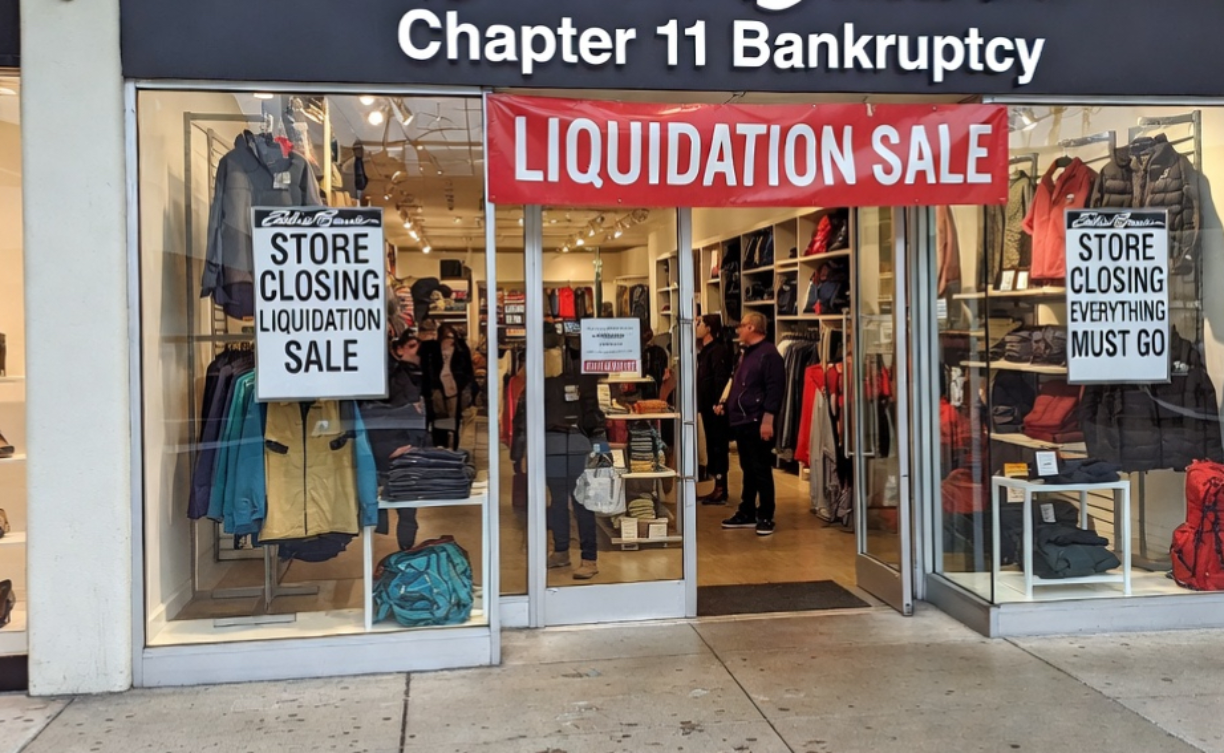
The iconic outdoor apparel brand Eddie Bauer is reportedly preparing to file for Chapter 11 bankruptcy protection, a move that could lead to the closure of all approximately 200 of its brick-and-mortar stores across North America.
According to multiple sources cited in recent reports from outlets like Women’s Wear Daily (WWD), Business Insider, and others, the impending filing involves the entity operated by Catalyst Brands, which holds the licensing rights to run Eddie Bauer retail locations in the United States and Canada.
Eddie Bauer Bankruptcy: What To Know
Catalyst Brands, a retail holding company formed through partnerships including Simon Property Group, Brookfield Corp., Authentic Brands Group, and others, is said to be gearing up for the restructuring process, with the bankruptcy potentially occurring in February 2026.
It’s not the only retailer shrinking its footprint in retail.
This development follows a January announcement from Authentic Brands Group (ABG), the current owner of the Eddie Bauer intellectual property and brand rights worldwide, that it would transition manufacturing, e-commerce, and wholesale operations in the U.S. and Canada to Outdoor 5, LLC (a global brand development and licensing platform).
That shift began taking effect in early February. A Chapter 11 filing by the Catalyst-operated retail entity would primarily impact physical stores, while online sales, wholesale channels, manufacturing, and international operations (such as stores in Japan) are expected to remain unaffected.
Eddie Bauer, founded in 1920 and known for its durable outerwear, down jackets, and adventure-focused gear, has a long history of navigating financial challenges.
The brand previously filed for Chapter 11 protection in 2009 amid the global financial crisis (after an earlier filing by its then-parent company, Spiegel Inc., in 2003).
It emerged from bankruptcy both times through acquisitions and restructurings, including a sale to private equity firm Golden Gate Capital in 2009 and later integration under Authentic Brands Group in 2021.
The current situation reflects broader pressures facing traditional mall-based retail, including shifting consumer preferences toward online shopping, economic headwinds, and competition in the outdoor apparel sector from brands like Patagonia, The North Face, and Columbia.
Reports indicate that while most—if not all—of the roughly 180–200 North American locations face closure, there may be interest from potential buyers in acquiring rights to operate a limited number of stores post-bankruptcy.
As of early February 2026, no official filing has been confirmed, and plans could still change. However, sources familiar with the matter describe the Chapter 11 preparation as advanced, with legal representation from Kirkland & Ellis already in place for the store-operating entity.
For shoppers, this could mean liquidation sales at many Eddie Bauer locations in the coming weeks or months, as the company seeks to wind down its physical retail footprint in North America while preserving the brand’s legacy through digital and wholesale channels.
Final Word
The development marks yet another chapter in the ongoing transformation of American retail, where heritage brands increasingly pivot away from traditional storefronts to survive in a digital-first era.
Here are more articles from AtlantaFi.com:
-
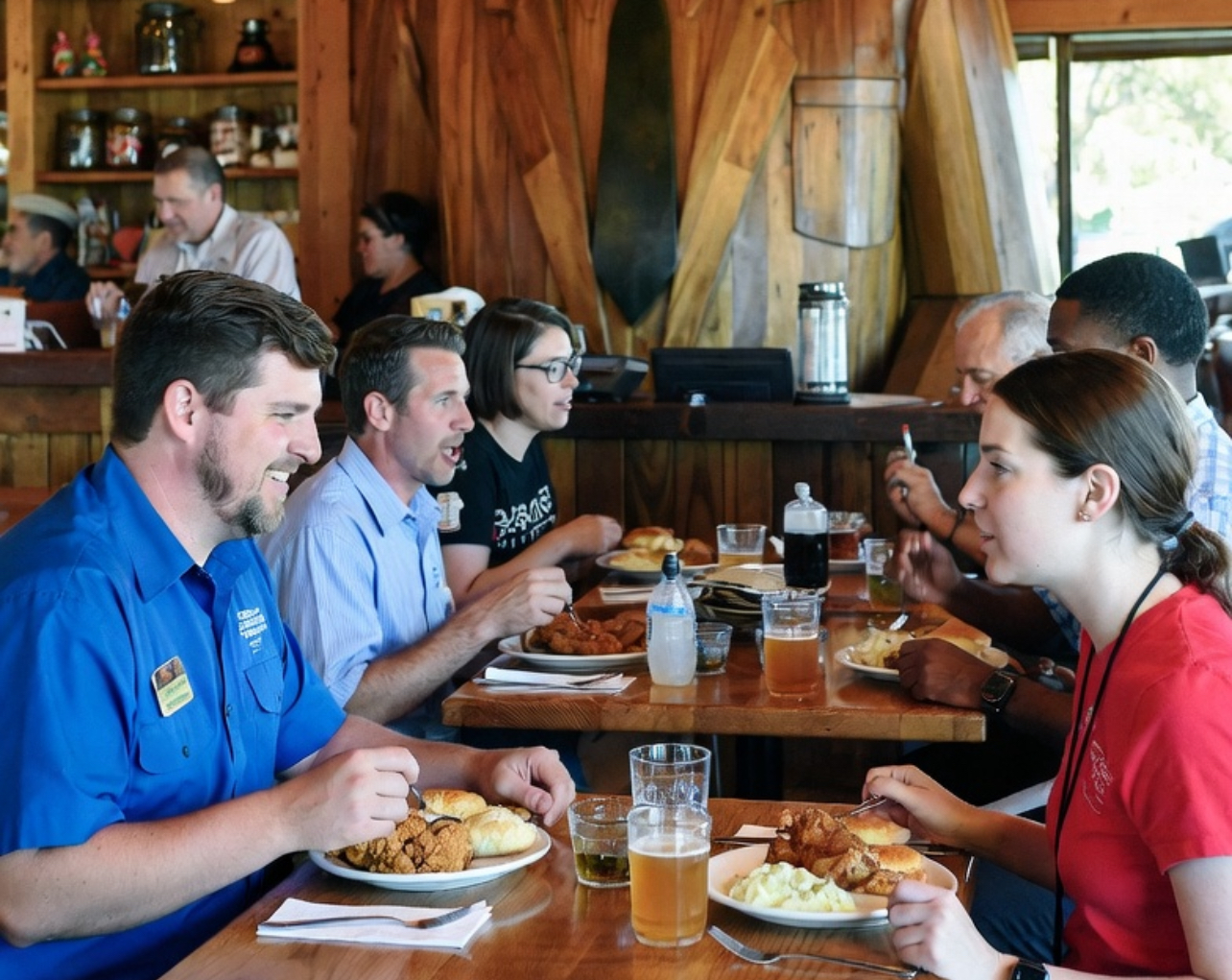
Cracker Barrel has introduced a strict new policy requiring corporate employees to primarily dine at its own restaurants during business travel, while also cracking down on alcohol reimbursements.
The changes were revealed through a leaked internal memo, originally reported by the Wall Street Journal.
Leaked: Cracker Barrel’s New Dining Rule
The directive states that “employees are expected to dine at a Cracker Barrel store for all or the majority of meals while traveling, whenever practical based on location and schedule.”
In the past, employees on company trips typically used a corporate card to cover meals and other expenses.
Under the updated rules, staff who opt to eat elsewhere may need to cover those costs personally, with no reimbursement for non-Cracker Barrel meals unless exceptional circumstances apply.
Additionally, alcohol purchases during travel will no longer be reimbursed unless employees pay out of pocket or obtain rare pre-approval from senior leadership for special occasions.
The cost-cutting measures come amid broader efforts by Cracker Barrel to tighten expenses following recent challenges, including a sales slowdown and backlash over previous branding decisions.
Last year, the company attempted to modernize its image by removing the Uncle Herschel mascot from its logo and updating store designs—moves that drew heavy criticism from customers who felt it eroded the brand’s traditional Southern appeal. CEO Julie Felss Masino faced significant pushback, with some accusing the company of going “woke.”
The rebranding attempt was quickly reversed. Masino later told investors that the company had “pivoted quickly” to restore the classic logo and refocus marketing on nostalgia, Uncle Herschel, and the brand’s heritage, with additional initiatives planned.
Cracker Barrel has also signaled internal restructuring and menu updates for 2026 as part of its recovery strategy.
The new travel policy appears aimed at reinforcing brand loyalty internally while reducing discretionary spending on employee expenses.Here Are The Best New Restaurants In Atlanta
-

Atlanta, the beating heart of the South, isn’t just a hub for hip-hop, film, and Fortune 500 companies—it’s also a powerhouse for storytelling through sound.
With its rich history, vibrant culture, and diverse voices, the city has birthed some of the most captivating podcasts out there — and they’re all unabashedly Atlanta.
What Are the Best Atlanta Podcasts?
Whether you’re navigating the I-85 traffic crawl, jogging along the BeltLine, or just unwinding at a Ponce City Market rooftop bar, these audio gems capture the essence of ATL.
In 2026, you can expect podcasts to remain a staple for busy Atlantans, blending true crime chills, music vibes, sports fervor, and city lore.
We’ve rounded up some of the standout shows—based on listener ratings, cultural impact, and fresh episodes—to add to your queue.
(Pro tip: Most are audio-only, but many offer video versions on YouTube or Spotify for that visual fix. Search the title plus “video” to check.) Here’s how to tune in and “watch” them.
Here Are Top Podcasts in Atlanta
We’ve rounded up seven standout podcasts that are thriving right now, all actively dropping episodes and engaging fans. Tune in via major platforms like Apple Podcasts, Spotify, or YouTube for that seamless listen (or watch) experience. Here’s our curated list:
1. Atlanta Monster

Atlanta Monster is a chilling true crime series that dives deep into Atlanta’s most notorious cold cases and unsolved mysteries, with gripping storytelling that keeps you hooked. It’s a must-listen for anyone fascinated by the darker side of our city’s past.
How to Watch/Listen: Atmospheric narration and local insights make it feel personal to Atlantans.
Access: Available on Apple Podcasts, Spotify, and major platforms. Search “Atlanta Monster” or visit tenderfoot.tv for episodes.2. Breakdown

From the Atlanta Journal-Constitution, this investigative powerhouse dives into high-stakes Georgia court cases with journalists Bill Rankin and Christian Boone.
Season 9 unpacks the ongoing Trump-related probes in Fulton County, blending courtroom drama with ATL’s political intrigue. It’s gripping, journalistic gold.
How to Watch/Listen: Audio on Spotify or Apple Podcasts; bonus video breakdowns on the AJC’s YouTube. Episodes drop bi-weekly, with live Q&As via their app.
3. Locked On Falcons

Football fanatics, rise up! Hosted by Aaron Freeman, Locked on Falcons features a daily deep dive into the Atlanta Falcons delivers film breakdowns, player interviews, and hot takes on everything from draft picks to Mercedes-Benz Stadium tailgates.
With the 2025 season heating up, it’s your ultimate Dirty Birds playbook.
How to Watch/Listen: Quick audio hits on Apple Podcasts or Spotify; full video episodes on the Locked On Network’s YouTube. Daily drops—start your game-day with it.
4. What’s Good, Atlanta?

On What’s Good, Atlanta?, comedians Mark Kendall and David Perdue turn overlooked headlines into hilarious highlights, from BeltLine expansions to chicken wing rankings (ATL’s top 5, y’all).
It’s uplifting, Atlanta-centric escapism that celebrates the city’s quirks.
How to Watch/Listen: Audio on NPR One or Spotify; live recordings and clips on their YouTube channel. Weekly episodes, with bonus live shows at spots like Dad’s Garage.
5. Atlanta Startup Podcast

Tech meets hustle in Atlanta Startup Podcast’s spotlight on ATL’s booming innovation scene.
Host David Cummings chats with founders behind AI ventures and fintech disruptors, tying into events like Venture Atlanta 2025. It’s inspiring fuel for the city’s entrepreneurial spirit.
How to Watch/Listen: Audio via Apple Podcasts or Spotify; video interviews on their dedicated YouTube. Bi-weekly releases, often with live streams from Ponce City Market.
6. Southern Fried Soccer

AJC’s Doug Roberson serves up post-match analysis for Atlanta United fans, from Five Stripes triumphs at Mercedes-Benz Stadium to MLS transfer rumors.
With the 2025 season’s playoff push, it’s essential listening for soccer die-hards.
How to Watch/Listen: Audio on Spotify or Apple Podcasts; extended video recaps on the AJC Sports YouTube. Weekly episodes, synced to match days.
7. Southern Vanguard

A celebration of Southern hip-hop and underground music culture, with interviews, mixes, and discussions straight from the ATL scene.
Why it’s cool: It highlights the Dirty South’s influence on global music—essential listening for hip-hop heads.
How to Watch/Listen: Full video episodes on their YouTube channel; audio versions on Apple Podcasts or Spotify. Monthly drops, with bonus live recordings from hotspots like CreateATL.
Social Proof

Hosted by David Shands and Donni Wiggins, the Social Proof podcast breaks down black entrepreneurship into digestible content that people can understand.
How To Watch/Listen: Catch them on their Youtube Channel and Apple Podcasts.
These podcasts aren’t just entertaining—they’re weaving Atlanta’s narrative one episode at a time.
Final Word
From the Falcons’ gridiron glory to the echoes of civil rights in “Buried Truths” (a close runner-up), our airwaves are alive with Southern swagger. Got a favorite we missed? Drop it in the comments. Stay tuned, ATL—your next binge is calling.
These pods aren’t just entertainment; they’re a sonic love letter to Atlanta’s hustle, heart, and history.
In the heart of the Peach State, Atlanta’s podcast scene is buzzing louder than ever. As the city’s creative pulse beats strong—from hip-hop history to Southern sports drama—local shows are capturing global ears while keeping their roots firmly planted in ATL.
Whether you’re commuting down Peachtree Street or chilling on the BeltLine, these audio gems offer everything from true crime chills to cultural deep dives.
Whether you’re a transplant decoding the city’s quirks or a lifelong resident craving fresh takes, they’ve got you covered. Fire up your app, hit play, and let ATL’s voices guide your next adventure.
Got a fave we missed? Drop it in the comments. Stay tuned for more local spotlights—because in the A, the story never stops.
AtlantaFi.com: Covering the city that never sleeps, one story at a time.
More from AtlantaFi.com:
-
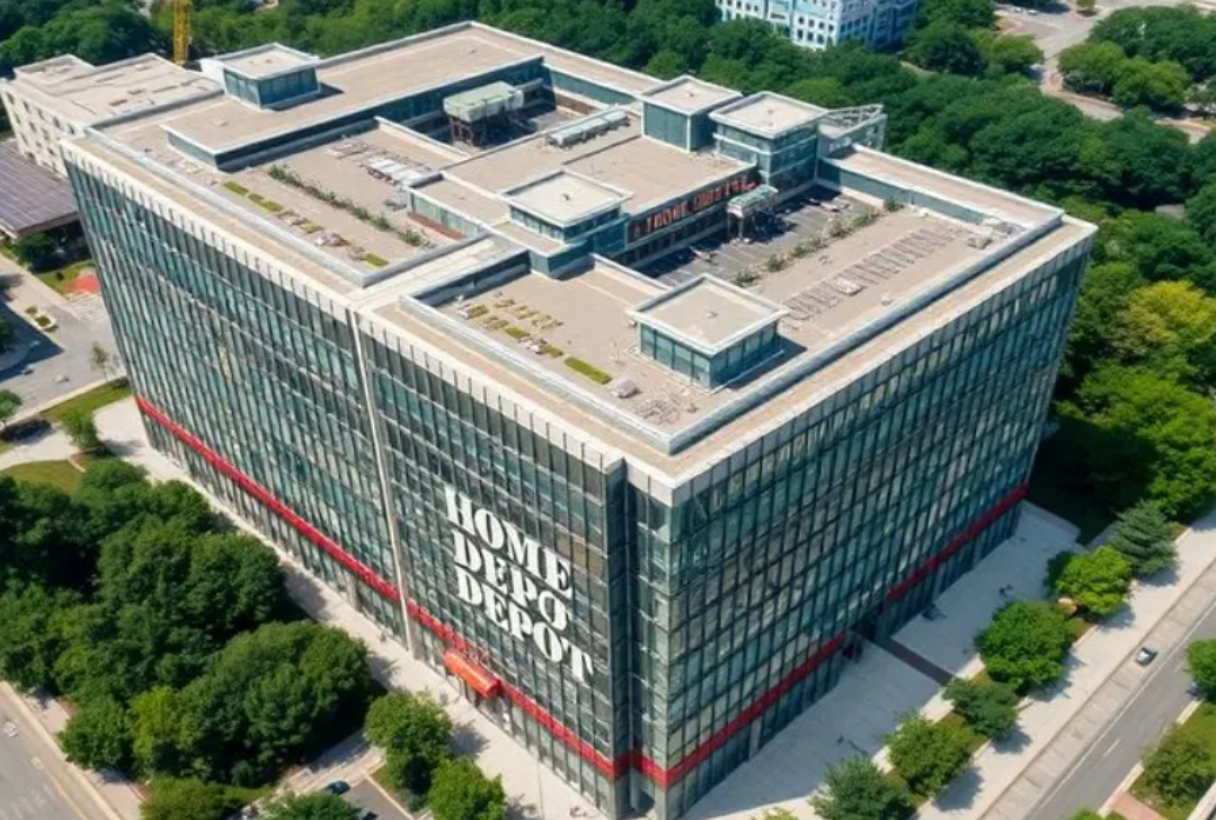
The Home Depot, one of Atlanta’s largest employers, confirmed Wednesday, Jan. 28 that it is eliminating approximately 800 corporate positions tied to its Vinings headquarters.
The announcement came in a company-wide message from Chair, President, and CEO Ted Decker, who informed employees of the workforce reduction on Wednesday.
Home Depot To Shed 800 Jobs at Atlanta Area Support Center
The cuts primarily affect roles within the company’s technology organization and other corporate teams at the Atlanta-based store support center.
According to reports, roughly 150 of the affected employees were based at the Vinings location, with the remainder working in remote or hybrid arrangements.
In the same communication, Home Depot revealed a significant shift in its work policy: all corporate employees will now be required to return to the office five days a week, effective the week of April 6. This ends the company’s previous hybrid work model for corporate staff.
Decker described the changes as necessary to enhance the company’s operational efficiency. “We are announcing changes designed to increase our speed and agility,” he wrote in a letter to employees. “To extend our industry-leading position, we must position the company to move faster and stay even more closely connected to our customers and frontline associates.”
Read up on how to navigate a layoff.
A company spokesperson emphasized that the moves are intended to ensure the right structure for future growth, amid ongoing challenges in the home improvement sector, including a slowdown tied to the housing market.
The Vinings headquarters, located just northwest of downtown Atlanta in Cobb County, serves as the central hub for Home Depot’s corporate operations.
The retailer has been investing in its local campuses, including a $140 million expansion project announced last year for the Vinings site and renovations at other nearby facilities.
This announcement follows a broader trend of corporate restructuring across major companies, though Home Depot has not detailed severance packages or other support for affected employees in public statements.
The Home Depot employs hundreds of thousands globally, with a significant presence in the Atlanta metro area. The company has not indicated any impact on store-level or frontline positions.
For more details on the announcement, visit the official Home Depot corporate site or local business coverage.
More From AtlantaFi.com:
-
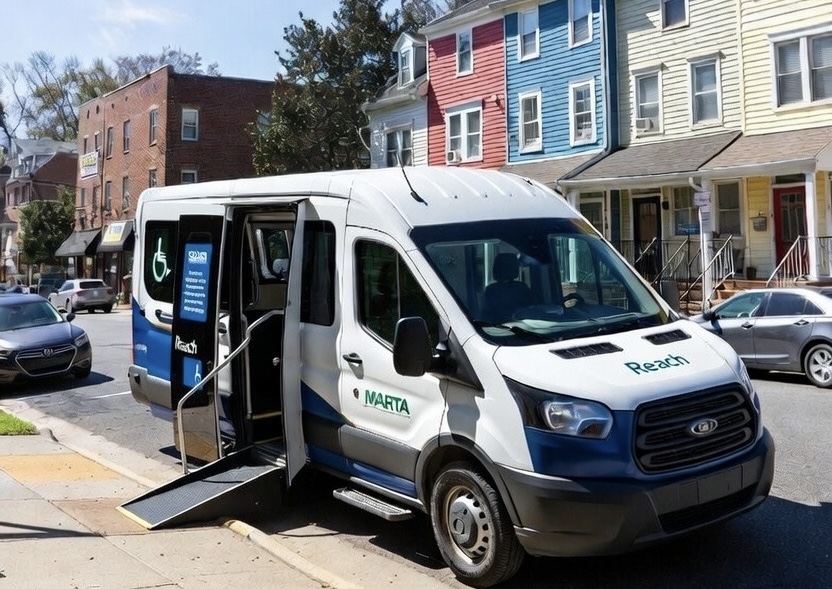
Move over, Uber. The Metropolitan Atlanta Rapid Transit Authority (MARTA) is set to transform local mobility with the upcoming launch of MARTA Reach, an innovative on-demand transit service rolling out on March 7, 2026.
As a key component of MARTA’s broader NextGen Bus Network redesign—the most significant update to the region’s bus system in decades—Reach introduces flexible, user-requested rides that bridge gaps in traditional fixed-route service.
MARTA Reach to Mobilize Vans Like Uber
MARTA Reach delivers point-to-point shared rides using modern vans, providing quick and convenient transportation at riders’ request.
The service operates in 12 designated zones spread across MARTA’s service area, allowing passengers to travel seamlessly within each zone or connect to the larger transit network.
Key Features of MARTA Reach
- Curb-to-Curb Service: Within a designated zone, vehicles pick up and drop off passengers directly from their starting point (A) to their destination (B). This makes it ideal for neighborhood travel, errands, or short trips where traditional bus stops might not align perfectly with your needs.
- First- and Last-Mile Connections: Reach excels at linking riders to fixed bus routes and rail stations. It serves as a vital bridge, enabling seamless continuation of journeys beyond the zone boundaries to access MARTA’s extensive rail and bus system.
- Extended Availability: Service runs 18 hours per day, seven days a week across all 12 zones, offering reliable options from early morning through late evening.
- Easy Booking: Requesting a ride is straightforward—simply use the dedicated MARTA app or place a phone call. No need to wait at fixed stops or follow rigid schedules.
- Accessible for Everyone: All vans are ADA-compliant and fully equipped to accommodate wheelchairs, scooters, and other mobility devices, ensuring inclusive service for riders of all abilities.
How the Zones Work
MARTA Reach functions within 12 clearly defined geographic zones throughout the MARTA transit footprint. Riders can request trips anywhere within their current zone for direct, shared transportation.
In select zones, the service also supports connections to and from other MARTA bus routes or rail lines outside the zone, enhancing overall connectivity.
These zones target areas where traditional fixed-route service may be less frequent, providing a more responsive option for lower-density neighborhoods and improving access to jobs, healthcare, shopping, and other essential destinations.
Part of a Bigger Transformation
MARTA Reach launches ahead of the full NextGen Bus Network rollout (scheduled for April 18, 2026), giving riders an early taste of the agency’s “smarter, faster, better” vision.
By combining on-demand flexibility with high-frequency fixed routes, the initiative aims to make public transit more efficient, accessible, and appealing across metro Atlanta.
For more details, including zone maps, zone profiles (such as West Atlanta, Kirkwood/Candler Park, and others), trip planning tools, and updates, visit the official MARTA Reach page at itsmarta.com/reach or explore the NextGen resources at itsmarta.com/nextgen.
With MARTA Reach, getting around metro Atlanta is about to become more convenient and connected than ever before. Stay tuned for the March 7 launch—your next ride could be just a tap or call away!
Check Out Our Atlanta Travel Guide
-
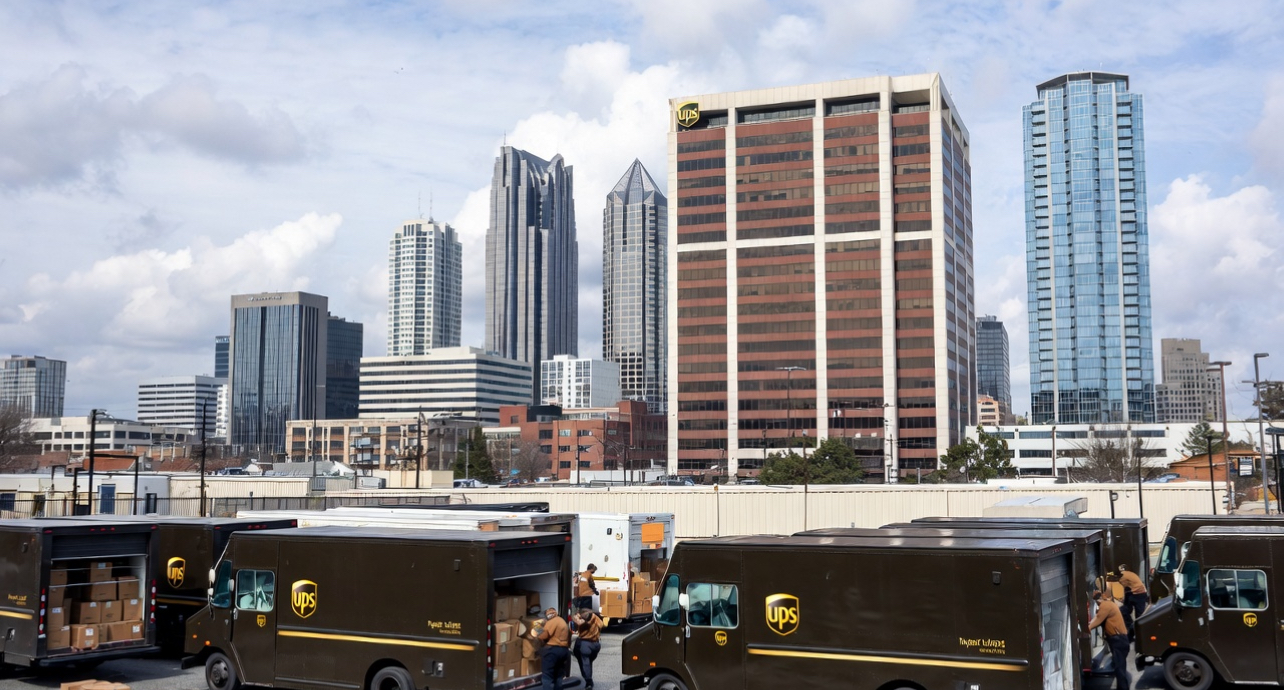
United Parcel Service (UPS), the global shipping giant headquartered in the Atlanta metro area, revealed plans Tuesday to eliminate up to 30,000 operational jobs this year as part of its ongoing turnaround strategy.
The announcement came during the company’s fourth-quarter earnings call, where executives also disclosed intentions to close 24 facilities in the first half of 2026, with potential for additional closures later in the year.
UPS To Cut 30K Jobs
The cuts primarily target operational roles, including delivery drivers and warehouse workers, and will be achieved largely through attrition and a second voluntary separation program for full-time drivers, according to Chief Financial Officer Brian Dykes.
Dykes described the reductions as a “tactical move” to align staffing and network infrastructure with current volume levels and delivery demands.
This latest round follows significant workforce reductions in 2025, when UPS eliminated approximately 48,000 positions—including 34,000 operational jobs and 14,000 management roles—and closed operations at 93 facilities.
The company’s multi-year plan has focused on reducing its reliance on low-margin deliveries for Amazon, its former largest customer, while shifting toward higher-profit business segments such as healthcare logistics.
CEO Carol Tomé emphasized during the call that UPS is in the final stages of an accelerated “glide down” in Amazon volume, having already reduced daily Amazon packages by about 1 million pieces in 2025.
The company plans to cut another million pieces per day in 2026 while continuing network reconfiguration and deploying more automation to improve efficiency.
Despite the job cuts, UPS reported stronger-than-expected results for the critical holiday quarter, with fourth-quarter revenue reaching $24.5 billion. The company projected full-year 2026 revenue of approximately $89.7 billion, signaling confidence in its strategic pivot away from unprofitable volumes.
As Atlanta’s largest private employer and a cornerstone of the regional economy, the announcement carries significant implications for the metro area.
UPS’s headquarters in Sandy Springs and its extensive network of facilities across Georgia mean that local workers could feel the effects of the operational reductions, though the company has not specified how many positions or facilities in the state will be impacted.
Previous rounds of cuts have already affected Georgia operations, and union representatives have expressed concerns about the pace of workforce changes.
UPS has described the overall plan as essential for long-term profitability and competitiveness in a changing parcel delivery landscape, including the winding down of low-value e-commerce shipments and the end of certain duty-free import rules.
The company’s stock rose following the announcement, reflecting investor approval of the cost-saving measures and revenue outlook.
Atlanta residents and workers affected by the changes are encouraged to monitor UPS communications and local union updates for more details on voluntary programs and potential support resources. This story will be updated as additional information becomes available.
More Atlanta Jobs from AtlantaFi.com:
-
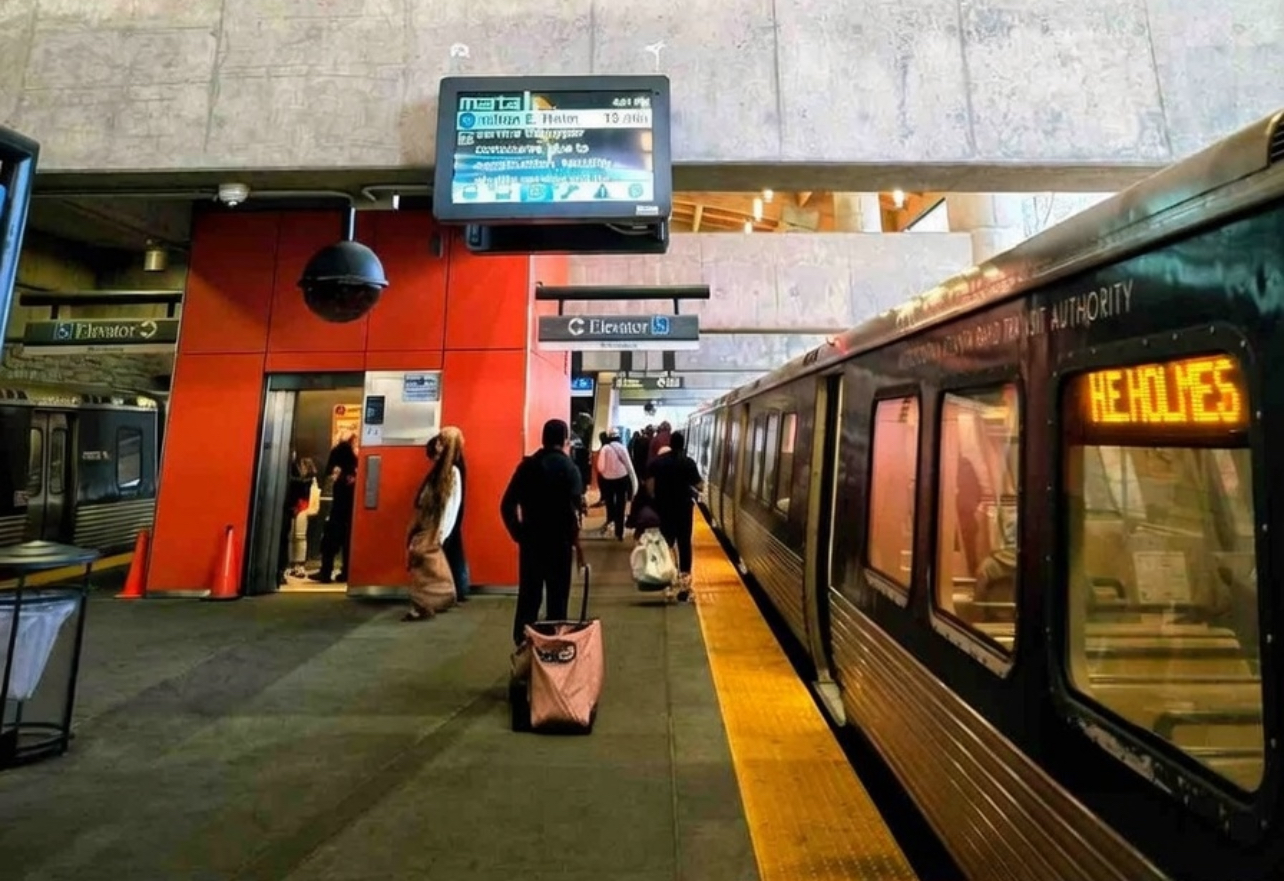
Atlanta’s Metropolitan Atlanta Rapid Transit Authority (MARTA) has announced that it is in the midst of a major overhaul of its Breeze fare collection system, introducing modern equipment and payment methods designed to make transit more secure, convenient, and user-friendly.
The upgrade, often referred to as the “Better Breeze” system, includes installing new faregates, fareboxes, validators, and touchscreen ticket vending machines across the entire rail and bus network.
MARTA Upgrades Breeze Fare System
Installation is proceeding in phases, with new equipment already appearing at rail stations. Riders are currently unaffected and should continue using existing Breeze cards or the current mobile app as normal—no changes to bus or rail service are occurring.
Looking into public transit in Atlanta? Read our guide to riding MARTA.
For any station-specific construction impacts, such as entrance detours, MARTA advises checking its website or signage.
The current Breeze fare media—including physical Breeze cards and the existing Breeze Mobile app—will become incompatible with the upgraded system and will be discontinued after May 2, 2026. After that date, riders will need to use the new fare options to board trains or buses.
Key features of the new system include:
- New fare equipment — More secure faregates that can be remotely monitored and adjusted, helping to reduce fare evasion and enhance overall safety.
- Open payment options — Riders can tap contactless bank cards or mobile wallets (such as Apple Pay or Google Pay) directly at faregates or fareboxes to pay for fares.
- New Breeze app — The current Breeze Mobile 2.0 will be replaced. Users will need to download a new Breeze app and set up a virtual Breeze card to purchase and manage fares digitally.
- New Breeze cards — These will be account-based, meaning stored value and passes live in the customer’s online account rather than on the physical card itself. Options for multi-day and monthly passes will continue to be available.
Important transition details:
A dual-system period will run from March 28 to May 2, 2026, allowing both old and new equipment to operate side-by-side. This gives riders time to use up remaining balances on current media, purchase new fare products, and get comfortable with the changes.
However, any unused fare balances on current Breeze cards or accounts will not transfer to the new system and will be lost if not spent by May 2, 2026. MARTA strongly encourages riders to “spend down” existing value during this window.
Sale of current Breeze products will end in phases starting in March 2026:
- 30-day passes: Last day to buy — March 1, 2026
- 20- and 10-trip passes: Last day — March 15, 2026
- 1-, 2-, 3-, 4-, and 7-day passes: Last day — March 22, 2026
- 1- and 2-trip passes: Last day — March 28, 2026
New Breeze cards, along with multi-day and monthly passes, will go on sale starting March 28, 2026. They will be available at the new touchscreen vending machines, RideStores, Reduced Fare offices, and various pop-up locations around the system (details on pop-ups to be announced in March).
For riders eligible for reduced fare or MARTA Mobility services, options include obtaining a new physical card or using the new mobile app. They can visit a Reduced Fare office, email reducedfare@itsmarta.com, or call 404-848-5112 for assistance.
The upgrade aligns with MARTA’s broader efforts to modernize transit in metro Atlanta, including preparations for major events like the 2026 FIFA World Cup, which is expected to bring increased ridership to the region.
Final Word
These changes are underway as MARTA preps for the FIFA World Cup this summer.
For the latest updates, station-specific information, and resources on the transition, visit MARTA’s official website at itsmarta.com or the dedicated Better Breeze page. Riders are encouraged to plan ahead to avoid any disruptions after the May 2 cutoff.
More from AtlantaFi.com:
-

It’s a fact that big winter storms often cause power outages and other headaches. When that happens, having a portable generator can keep essential appliances running, such as refrigerators, medical equipment, and heating or cooling systems.
When preparing for a storm, having a reliable generator can be crucial.
In this article, we’ll show you some of the best portable generators on the market. Here are some of the best types of generators to consider:
Portable Generators

- Honda EU2200i: Known for its reliability and quiet operation, it’s great for powering essential appliances.
- Yamaha EF2000iSv2: Lightweight and fuel-efficient, this model is ideal for small power needs.
Inverter Generators

- Champion 4000-Watt Ultralight: Offers quiet operation and is easy to transport, suitable for camping and emergency use.
- Westinghouse iGen4500: Provides a higher wattage output and features a remote start, making it user-friendly.
Standby Generators

- Generac Guardian Series: These are permanently installed and automatically turn on during power outages, providing peace of mind.
- Briggs & Stratton 40445: Another reliable standby option with a good reputation for performance.
Dual Fuel Generators

- DuroMax XP12000EH: Runs on both gasoline and propane, offering flexibility and extended run time.
- Champion 100263: Features a powerful output and can also use both fuel types, making it versatile for emergencies.
Solar Generators

- Jackery Explorer 1000: A portable solar generator that’s eco-friendly and perfect for small electronics and appliances.
- Goal Zero Yeti 500X: A robust solar generator that provides reliable power and can be charged with solar panels.
Where to Buy:
- Home Improvement Stores: Home Depot and Lowe’s often have a variety of generators in stock.
- Outdoor and Sporting Goods Stores: Retailers like Cabela’s and REI may carry portable and inverter generators.
- Online Retailers: Amazon, Walmart, and specialty websites often have a wide selection, sometimes with competitive prices.
Tips for Buying:
- Check Wattage Needs: Determine how much power you’ll need for essential appliances.
- Read Reviews: Look for customer feedback on reliability and ease of use.
- Consider Fuel Type: Think about what’s most accessible for you (gasoline, propane, solar).
- Look for Warranty and Support: A good warranty can offer additional peace of mind.
Buying a generator before a storm can help ensure you have the power you need when you need it most.
Here are more articles from AtlantaFi.com: