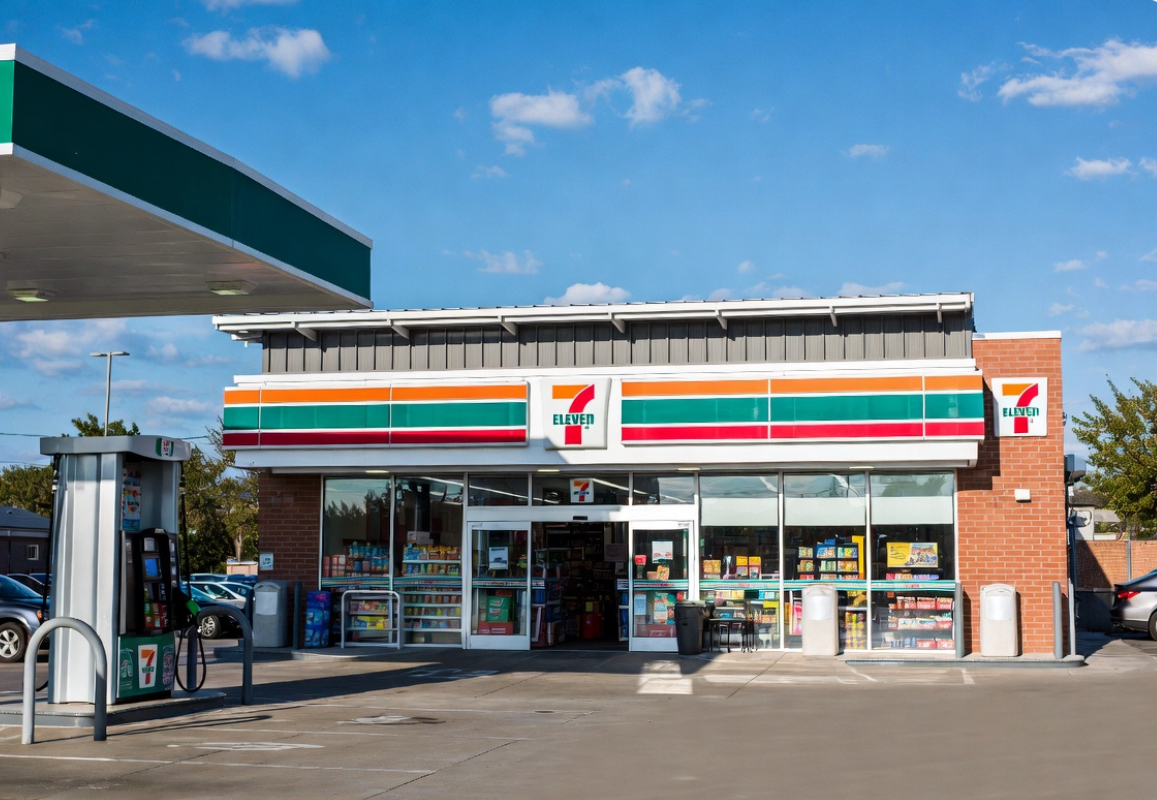

Atlanta — Parent company Seven & i Holdings announced that 7-Eleven plans to close 645 convenience stores across North America in fiscal 2026.
The move is part of an ongoing effort to optimize its portfolio by shedding underperforming locations, converting some sites to wholesale fuel operations, and focusing on larger, food-focused formats.
7-11 Store Closures: Hundreds of Locations Affected
While the national cutbacks are significant—the fifth straight year of net store losses for the chain—Georgia customers will see little to no change when it comes to 7-11 store closures.
The state has only a small handful of 7-Eleven locations (around 15, many operating under the Speedway banner), a tiny fraction of the chain’s roughly 12,000+ U.S. stores.
Why So Few 7-Elevens in Georgia?
Georgia’s convenience store market is dominated by strong regional players like QuikTrip, RaceTrac, and Circle K. Decades ago, many 7-Eleven locations in the Southeast were sold off (including to Circle K in the late 1980s), leaving the brand with a limited presence here compared to states like California, Texas, and Florida.
The few existing 7-Eleven/Speedway stores in the Atlanta metro area and North Georgia are unlikely to be heavily targeted in this round of closures, though the company has not released a state-by-state or location-specific list.
Broader Context for the Closures
- Net reduction: 7-Eleven expects to open more than 200 new locations while closing 645, for a net loss of about 440 stores.
- Strategy shift: Some “closures” involve converting sites to wholesale fuel models (which don’t count in the retail store tally) as the company moves toward bigger stores with enhanced fresh food offerings to compete with rivals like Wawa, Sheetz, and Buc-ee’s.
- Recent history: The chain closed hundreds of stores in 2024 and 2025 as part of the same portfolio optimization push.
What This Means for Georgia Shoppers
Georgia’s competitive c-store landscape—known for clean stores, fresh food, and excellent fuel pricing from local leaders—has long operated without heavy reliance on 7-Eleven.
The national shakeup at 7-Eleven is unlikely to disrupt local options.
For the small number of Georgia locations that could be affected, customers may see conversions to different formats or, in rare cases, full closures.
However, the state’s dominant players continue to expand aggressively, filling any potential gaps with new stores and upgraded experiences.
This latest announcement reflects broader industry trends: convenience retailers are consolidating weaker sites and investing in larger, higher-margin stores that emphasize foodservice over traditional quick-stop models.
In Georgia, that evolution is already well underway among the brands that dominate the market.